Chennai resident celebrates mixed Tamil‑Punjabi roots, refuses to relocate
A Chennai native who calls themselves a ‘TamPunj’ says the city’s blend of cultures makes it the only place they want to call home.
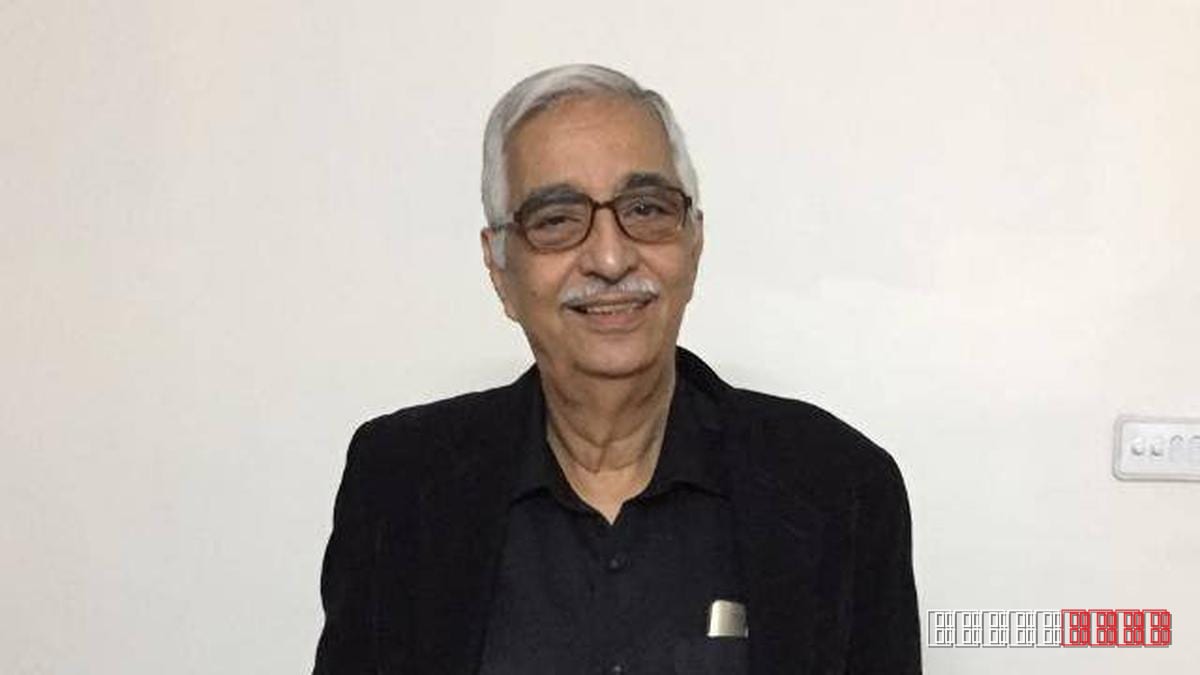
A resident of Chennai, who describes themselves as a “TamPunj,” told The Hindu that they could not imagine living anywhere else. The term, a portmanteau of Tamil and Punjabi, reflects the individual’s dual heritage and the way they see the city’s cultural mosaic as a personal backdrop.
According to the interview, the speaker was born and raised in Chennai, where both Tamil and Punjabi traditions have been part of family life. They said the city’s rhythm—its festivals, food, and language—has shaped a unique identity that they cherish. “I am a TamPunj and would not live anywhere else but Chennai,” they said, emphasizing a deep sense of belonging.
Chennai, historically known as Madras, has long been a hub for migrants from across the Indian subcontinent. After independence, waves of Punjabis settled in the city, drawn by trade, military postings, and later, the burgeoning automotive and IT sectors. Over the decades, these communities have blended with the local Tamil population, creating neighborhoods where Punjabi bakeries sit beside traditional Tamil eateries, and where languages intermingle on the streets.
The city’s cosmopolitan character is reflected in its educational institutions, workplaces, and cultural events, which often showcase a mix of South and North Indian traditions. This environment has allowed individuals like the “TamPunj” speaker to grow up with a foot in both worlds, experiencing Diwali fireworks alongside Pongal celebrations. Such hybrid identities are increasingly common in India’s urban centers, where internal migration fuels cultural exchange.
Experts note that Chennai’s openness to diverse cultures contributes to its reputation as a tolerant metropolis. While the city faces challenges typical of fast‑growing urban areas—traffic congestion, housing pressures, and water scarcity—its ability to accommodate varied cultural practices remains a point of pride for many residents.
The personal testimony highlighted by The Hindu underscores a broader narrative: for many Indians, city of residence is not just a place of work or study, but a crucible where layered identities are forged and celebrated.
This report is based on original reporting by The Hindu. Read the original source →