China rejects US allegations of large‑scale AI model theft
Beijing calls the United States' claims that Chinese firms are copying American AI systems on an industrial scale unfounded.
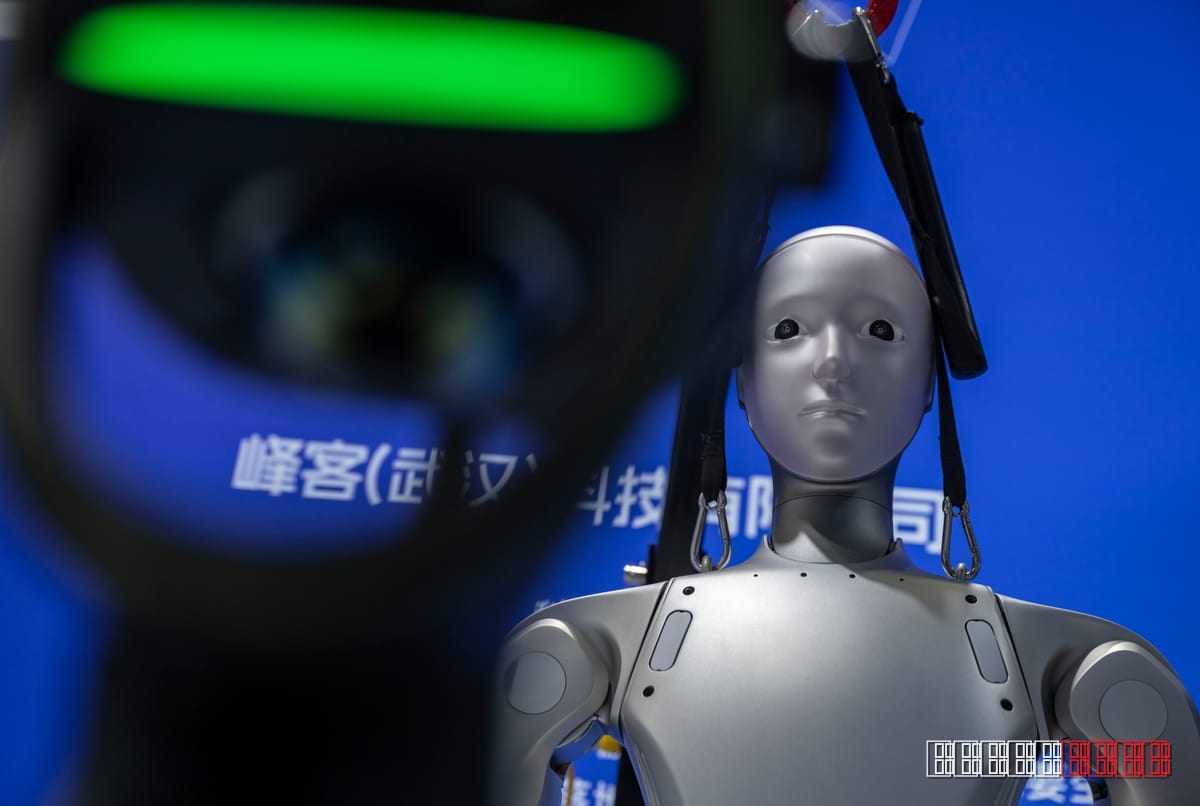
Beijing has pushed back against a trio of U.S. agencies that recently accused Chinese artificial‑intelligence companies of stealing American AI models at an "industrial scale." The Chinese government described the accusations as baseless and urged Washington to provide concrete evidence, Al Jazeera reported.
The United States Department of Commerce, the Treasury Department and the Federal Trade Commission jointly issued a statement saying they had identified multiple Chinese firms that allegedly accessed and reproduced proprietary U.S. AI technologies without permission. According to Al Jazeera, the agencies warned that the alleged activity could undermine U.S. competitiveness and national security.
In response, China’s Ministry of Commerce issued a press release denying the allegations and labeling them as "malicious smears" aimed at stoking anti‑China sentiment. The ministry said Chinese companies operate within the bounds of domestic law and international norms, and it called on the United States to share any factual data that could substantiate the claims.
The dispute emerges against a backdrop of escalating tech rivalry between the two powers. Over the past decade, Washington has tightened export controls on semiconductors and AI software, while Beijing has invested heavily in home‑grown AI capabilities through initiatives such as the "New Generation AI Development Plan." Past accusations of intellectual‑property theft have led to high‑profile legal battles and reciprocal sanctions, making this latest episode a potential flashpoint in an already tense relationship.
Analysts note that the outcome could influence upcoming trade negotiations and affect multinational firms that rely on cross‑border AI collaborations. If the United States proceeds with formal investigations, Chinese firms may face restrictions on accessing U.S. cloud services and development tools, which could slow the pace of AI innovation in China. Conversely, a lack of evidence could bolster Beijing's narrative that the U.S. is using security rhetoric to contain Chinese technological ascent.
For now, both sides remain locked in a diplomatic standoff, with no clear timeline for a resolution. The episode underscores how AI, once a purely technical field, has become a strategic asset subject to geopolitical contestation.
This report is based on original reporting by Al Jazeera. Read the original source →