Confidence in USPS Mail‑in Ballot Delivery Drops Since 2024, Poll Shows
A new NPR‑PBS‑Marist poll finds fewer voters trust the Postal Service to get their ballots on time ahead of upcoming elections.
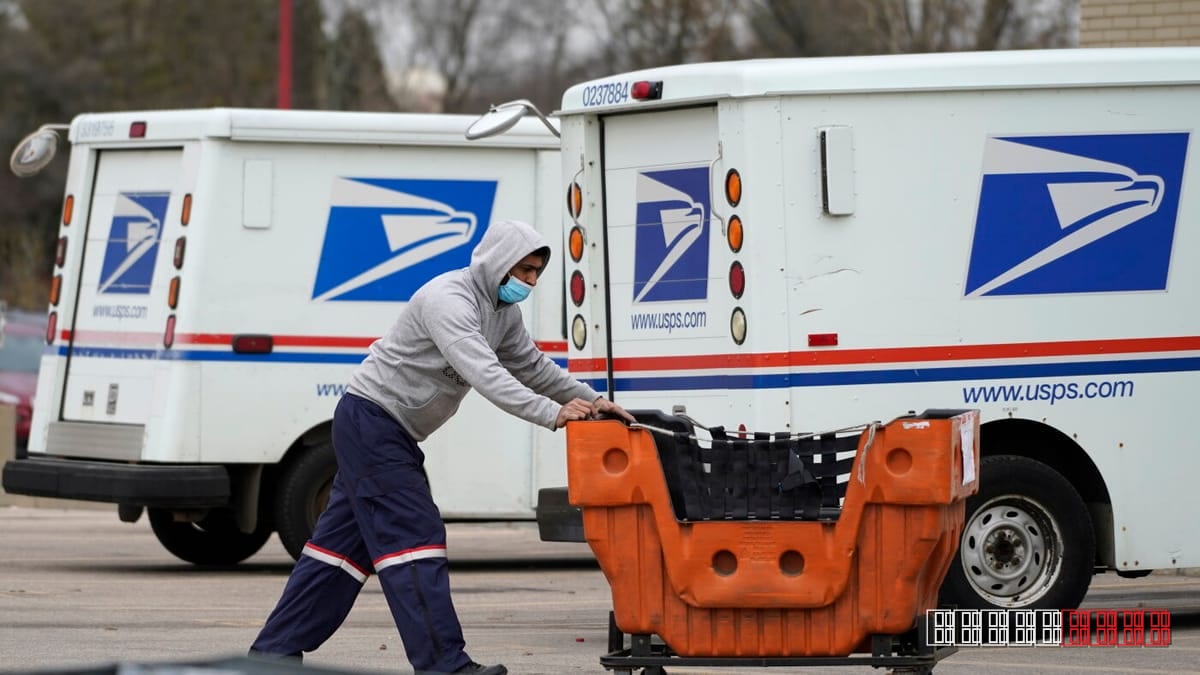
A recent poll conducted by NPR, PBS NewsHour and the Marist College Institute for Public Opinion finds that registered voters are now less confident the United States Postal Service will deliver mail‑in ballots before election deadlines, compared with responses gathered in 2024. The survey, released this week, asked a nationally representative sample of likely voters about their trust in the USPS’s ability to handle ballot‑mailing responsibilities, and the majority indicated a decline in confidence.
The shift in sentiment follows a turbulent period for the Postal Service that began during the 2020 election cycle, when the Trump administration publicly pressured the agency to reduce overtime and limit extra trips that were deemed essential for timely ballot delivery. Those moves, coupled with high‑profile lawsuits and a wave of political rhetoric questioning the reliability of mail voting, left a lasting imprint on public perception. Although the agency has since restored many of the curtailed services, the episode appears to have eroded trust among voters.
Mail‑in voting has become a cornerstone of American elections, especially after the COVID‑19 pandemic spurred a dramatic rise in absentee ballots. In the 2022 midterms, over 70% of ballots were cast by mail, a figure that remained high in 2024 and is expected to stay elevated for the 2028 contests. The USPS is legally obligated to deliver these ballots promptly, and any delay can disenfranchise voters, particularly in swing states where tight margins decide outcomes.
Election officials across the country are watching the poll’s findings closely. Some state secretaries of state have begun contingency planning, including expanding drop‑box networks and encouraging early in‑person voting to mitigate potential postal bottlenecks. Meanwhile, the Postal Service has reiterated its commitment to meet statutory delivery timelines, citing recent operational improvements and additional staffing ahead of the November election season.
The broader implication of waning confidence is a possible shift in campaign strategies. Candidates may allocate more resources toward voter outreach that emphasizes alternative voting methods, while advocacy groups are likely to intensify calls for legislative safeguards that guarantee ballot delivery. As the election calendar fills up, the interplay between public trust and logistical capacity will remain a pivotal factor in the democratic process.
According to NPR, the poll underscores a lingering skepticism that could influence both voter behavior and policy decisions as the nation approaches another high‑stakes election cycle.
This report is based on original reporting by NPR. Read the original source →