Copper peptide skincare shifts to injectable form amid scant scientific backing
NPR reports a surge in GHK‑Cu injections promising youthful skin, even as research lags behind the hype.
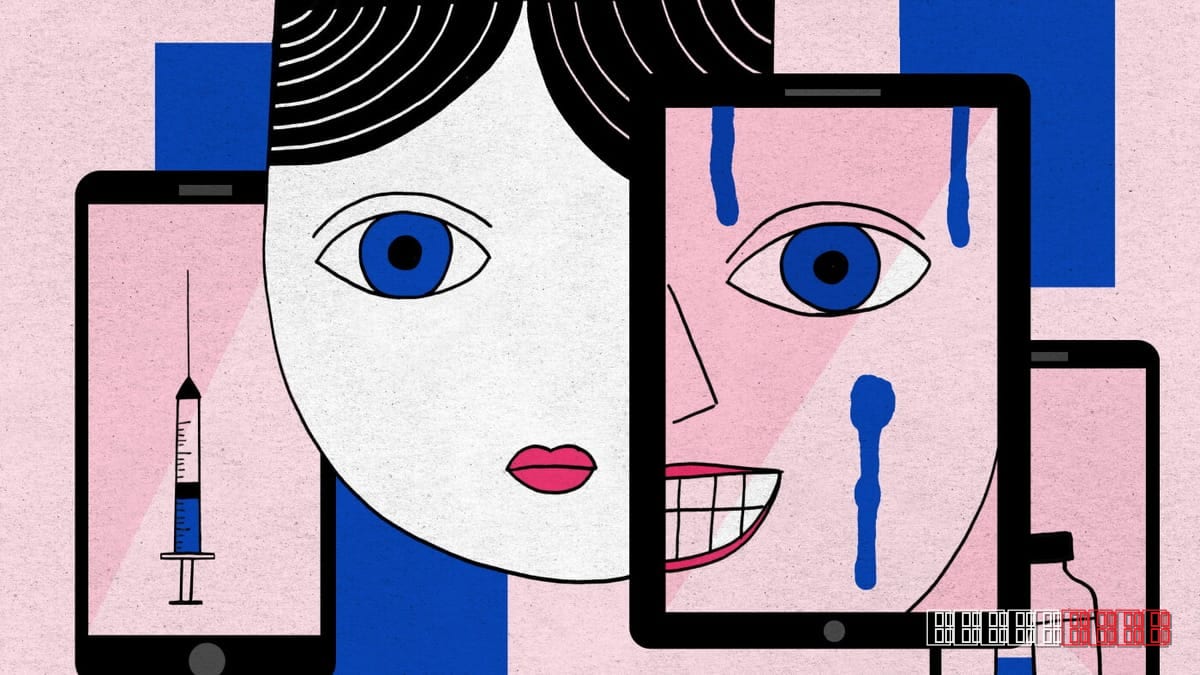
Copper peptide GHK‑Cu, once a niche ingredient in luxury creams, is now being offered as an injectable treatment, a shift highlighted by NPR. The compound is marketed as a shortcut to smoother, firmer skin and faster wound healing, appealing to consumers eager for anti‑aging solutions.
Proponents claim that a single injection can stimulate collagen production, tighten pores and reduce fine lines. NPR noted that manufacturers tout these benefits without citing large‑scale human trials, and the scientific community remains skeptical about the extent of the effects when applied cosmetically.
The evidence base for GHK‑Cu is modest. Small laboratory studies have shown the peptide can bind copper and influence cellular pathways involved in tissue repair, but most research has been confined to petri dishes or animal models. NPR reported that robust clinical data confirming safety and efficacy for aesthetic use are still missing, leaving the trend ahead of the science.
Regulatory oversight adds another layer of uncertainty. The U.S. Food and Drug Administration has not approved GHK‑Cu injections for cosmetic purposes, and providers often administer the product under compounding pharmacy exemptions or off‑label use. NPR warned that the lack of formal approval means potential side effects, such as irritation or allergic reactions, are not fully understood.
Copper peptides were first identified in the 1970s when researchers discovered a short chain of amino acids that binds copper ions, a combination that can accelerate wound healing. Over the decades, the molecule has been studied for its role in collagen synthesis and skin regeneration, which explains its allure to the beauty industry. However, translating laboratory findings into safe, effective consumer treatments typically requires extensive testing—a step that has not yet been completed for injectable GHK‑Cu.
The market response has been swift. High‑end spas and some dermatology clinics now list the injections alongside more established procedures like Botox and fillers, often charging several hundred dollars per session. Consumers drawn by before‑and‑after photos on social media may overlook the limited data, underscoring the need for clearer guidance.
Experts advise caution until larger, peer‑reviewed studies confirm the promised benefits. As NPR emphasized, the current enthusiasm outpaces the scientific record, and patients should weigh the unknown risks against the allure of a quick fix.
This report is based on original reporting by NPR. Read the original source →