Reader‑Submitted Tales Reveal Kindness Still Thrives in America
A collection of strangers’ good deeds submitted to NPR shows everyday generosity endures.
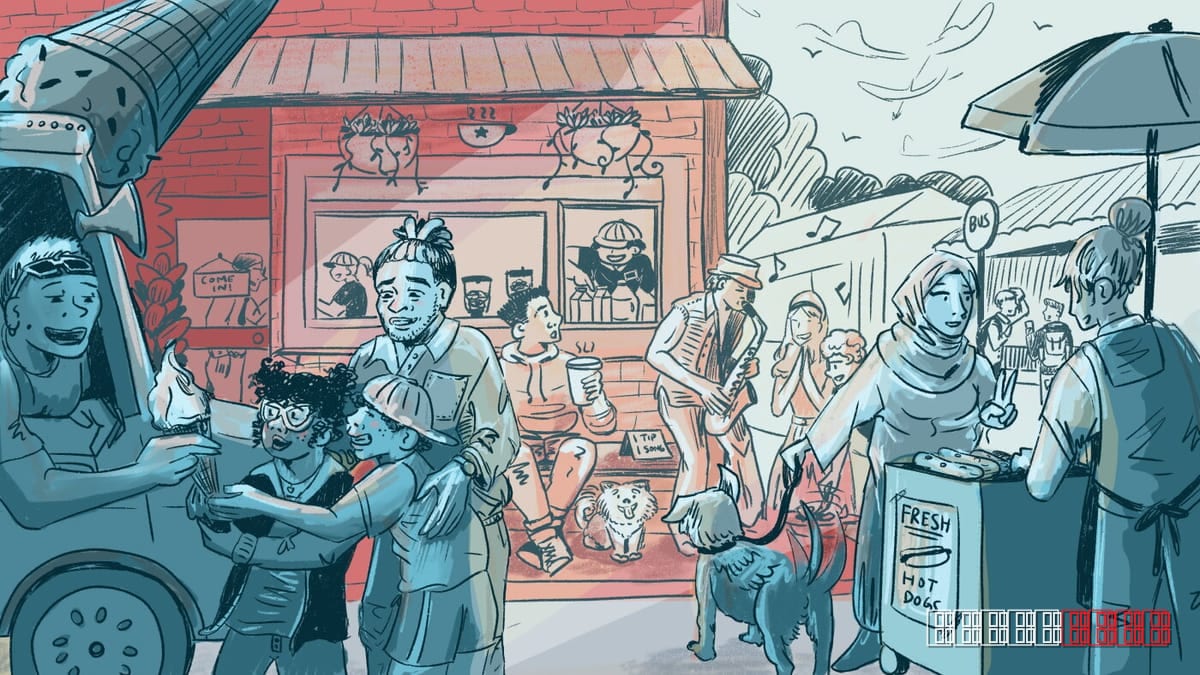
NPR reported that it recently invited its audience to recount moments when a stranger showed unexpected kindness. The response was a mosaic of brief, vivid scenes: a commuter who offered a seat to an elderly woman, a gas‑station attendant who paid for a teenager’s missed bus fare, and a neighbor who left fresh groceries on a doorstep after a storm. Each anecdote, though small in scale, underscores a shared belief that goodwill persists despite a climate often dominated by headlines of division.
The submissions paint a picture of kindness that is both spontaneous and intentional. One contributor described a jogger who stopped to help a cyclist with a flat tire, while another recounted a coffee shop barista who wrote an uplifting note on a napkin for a customer battling illness. These stories, gathered from readers across the United States, illustrate that ordinary people continue to act as informal safety nets for one another.
Research consistently links such everyday acts to broader social benefits. Psychologists note that performing or receiving kindness can trigger the release of oxytocin and dopamine, chemicals that improve mood and foster trust. A 2022 study from the University of California, Berkeley, found that communities with higher reported acts of kindness also exhibited lower rates of anxiety and stronger civic participation. The pandemic amplified public interest in these findings, as many turned to small gestures to combat isolation. In this context, NPR’s reader‑driven project serves as a real‑time barometer of how interpersonal generosity can buffer societal stress.
The stories also highlight the diverse settings where kindness emerges—public transit, grocery aisles, and digital platforms alike. One participant shared a virtual example: a stranger who, after seeing a distressed post on a forum, sent a private message offering resources and emotional support. Such digital compassion mirrors the physical world, suggesting that technology can extend, rather than replace, human empathy.
While the anecdotes are heartening, they also raise questions about the mechanisms that encourage or hinder altruistic behavior. Sociologists point to factors like economic security, cultural norms, and local leadership as catalysts for generosity. By documenting these moments, NPR not only celebrates individual goodwill but also provides data that policymakers and community organizers can use to nurture environments where kindness flourishes.
Overall, the reader‑submitted narratives reaffirm that, even amid challenges, ordinary Americans continue to practice kindness in ways that ripple outward, reinforcing a sense of shared humanity.
This report is based on original reporting by NPR. Read the original source →