Halal Twist Revitalizes Texas Barbecue Amid Rising Anti-Muslim Sentiment
Muslim pitmasters are introducing halal preparations to classic Texas barbecue, drawing new customers while navigating a climate of heightened anti‑Muslim rhetoric.
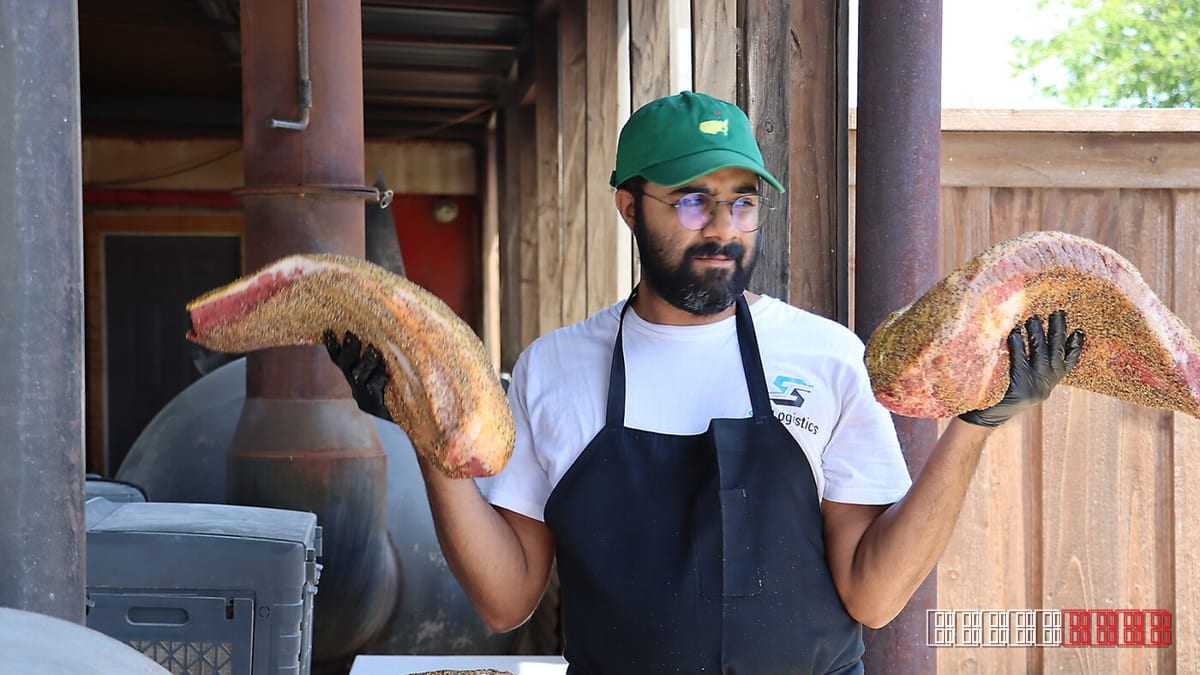
Muslim pitmasters across Texas are re‑imagining the state’s legendary barbecue by serving meat that meets halal standards, a development NPR reports is winning over a growing base of diners.
Halal certification requires that animals be slaughtered according to Islamic law, which includes a swift, humane cut and a prayer invoking God’s name. The practice not only satisfies religious observance but also appeals to consumers seeking transparent, ethically sourced meat. By applying these guidelines to smoked brisket, ribs and sausage, Muslim chefs are preserving the smoky flavor profile Texans cherish while expanding the cuisine’s inclusivity.
The shift comes as Texas experiences a surge in anti‑Muslim rhetoric, a trend NPR highlights as part of a broader national pattern of religious intolerance. Community leaders say the hostile climate has made it harder for Muslim entrepreneurs to secure financing and attract foot traffic, prompting many to lean on food as a bridge to broader acceptance.
In response, a handful of barbecue joints in Austin, Dallas and Houston have added halal menus or opened entirely new concepts that blend traditional Texas rubs with the dietary requirements of Muslim patrons. These establishments report steady lines of both Muslim families and curious non‑Muslim diners eager to sample the familiar taste of barbecue without compromising their own dietary preferences.
Texas barbecue is more than a culinary style; it is a cultural institution rooted in the post‑Civil War era, when cattle drives and smokehouses defined the frontier economy. Over decades, the low‑and‑slow method of cooking over wood has become a symbol of Texan identity, celebrated in festivals, competitions and countless family gatherings. Historically, the cuisine has evolved to incorporate regional influences—from German sausages to Mexican‑style brisket—demonstrating its capacity for adaptation.
The halal makeover illustrates that same adaptive spirit. By marrying religious dietary rules with the smoky, caramelized flavors of Texas barbecue, Muslim pitmasters are not only preserving their cultural heritage but also contributing to the state’s gastronomic diversity. As more diners embrace these offerings, the trend could signal a broader shift toward inclusive food practices in a region where culinary tradition often intersects with social identity.
This report is based on original reporting by NPR. Read the original source →