Delhi Bus Drivers Extend Strike to Fifth Day Amid Wage and Working‑Condition Demands
The DTC drivers' walkout, now in its fifth day, persists despite government assurances and limited relief from temporary staff, The Hindu reports.
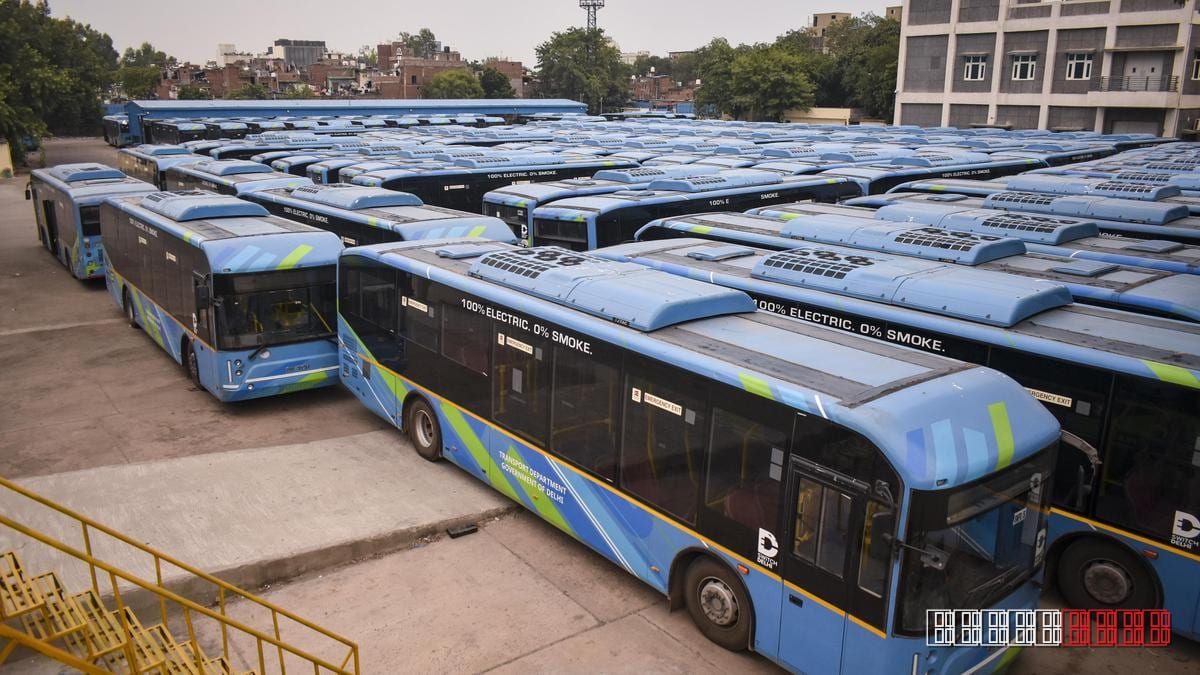
Delhi’s public‑transport network has been disrupted for five consecutive days as drivers of the Delhi Transport Corporation (DTC) continue their strike over a modest wage hike and a slate of other grievances. According to The Hindu, the protest began after the union’s request for a 15 percent increase in basic pay was turned down, prompting drivers to halt services on major routes across the capital.
The government has repeatedly pledged to revisit the pay structure and offered a temporary salary revision, but union leaders say the proposal falls short of their expectations. In response, the authorities deployed permanent drivers from other depots to keep essential routes running. The Hindu notes that this measure has had only a marginal effect, with many commuters still facing long waits and crowded buses.
While the immediate trigger is the wage dispute, the strike also highlights broader concerns among DTC staff, including irregular overtime payments, insufficient night‑shift allowances, and a lack of clear grievance‑redress mechanisms. Union representatives have warned that without a comprehensive settlement, the walkout could extend further, potentially affecting the upcoming Delhi Metro expansion projects that rely on coordinated bus‑metro integration.
The DTC, established in 1948, operates one of the largest bus fleets in India, serving millions of passengers daily. Historically, the corporation has faced periodic labor unrest; notable strikes in 2016 and 2019 similarly centered on pay and working conditions, each resulting in temporary service reductions before negotiations concluded. These disruptions underscore the delicate balance between maintaining affordable public transport and meeting the livelihood needs of a large, often under‑paid workforce.
Commuters have turned to alternative modes such as ride‑hailing apps, auto‑rickshaws, and the metro, leading to a surge in traffic congestion on Delhi’s already crowded streets. Business districts report a dip in footfall, and schoolchildren face delayed arrivals. Economists caution that prolonged interruptions could erode public confidence in the DTC, prompting a shift toward private transport options that may increase urban pollution levels.
Negotiations are slated to resume later this week, with the Delhi government indicating a willingness to engage in a “constructive dialogue” with driver unions. Observers suggest that a mutually acceptable agreement will likely involve a phased wage increase coupled with reforms to overtime and night‑shift compensation, aiming to restore normal service while addressing the drivers’ long‑standing demands.
The outcome of this strike will be closely watched, as it may set a precedent for labor relations within other state‑run transport entities across India, influencing policy decisions on public‑sector wages and employee welfare.
This report is based on original reporting by The Hindu. Read the original source →