Delhi police upgrade Jantar Mantar assault case with murder‑attempt and SC/ST charges
Chief Judicial Magistrate says suspect Swatantra Bhardwaj will be arrested within 72 hours after FIR was amended following protests.
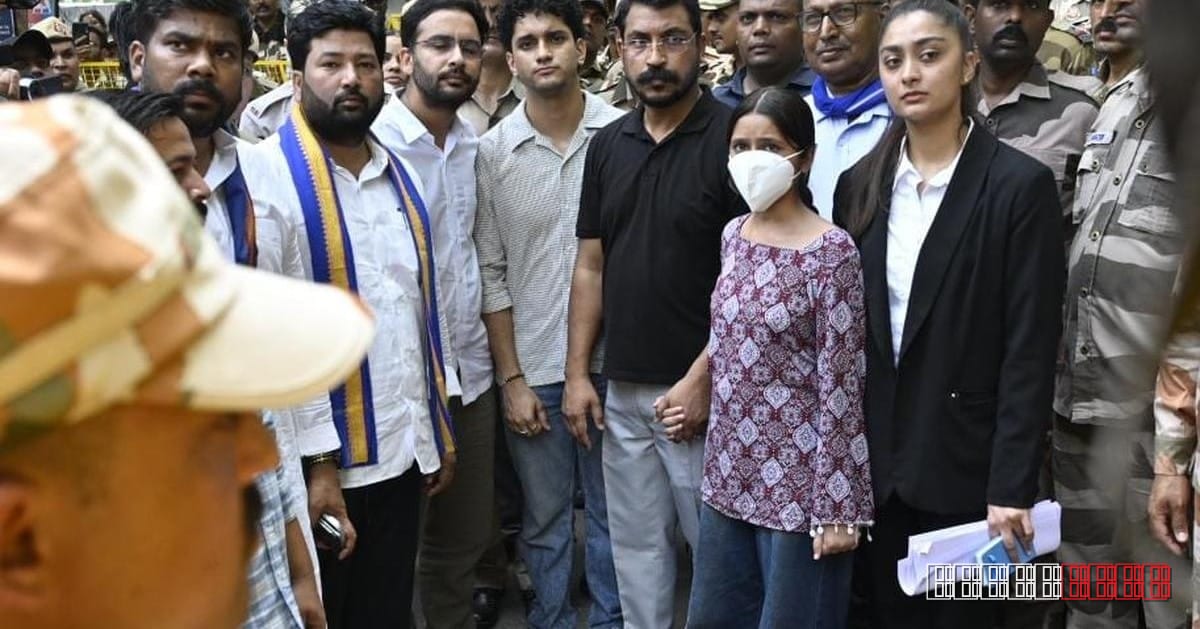
The Delhi police have revised the First Information Report (FIR) linked to the recent Jantar Mantar assault, adding charges of attempt‑to‑murder and offences under the Scheduled Castes and Scheduled Tribes (Prevention) Act, The Hindu reported. The amendment comes after extensive discussions between law‑enforcement officials and protest representatives over the past several hours.
Chief Judicial Magistrate (CJM) Saurav Das told reporters that the police are now tasked with securing the arrest of Swatantra Bhardwaj, the alleged assailant, within the next three days. "We have instructed the investigating officer to ensure the suspect is taken into custody within 72 hours," Das said, underscoring the urgency of the case.
The charge‑sheet revision follows a demonstration outside Parliament Street station, where student activist Nishu Aazad staged a sit‑in to demand justice for her father, Sanjay Kumar, who she says was beaten during the Jantar Mantar incident. Aazad’s protest, also covered by The Hindu, highlighted the personal toll of the assault and pressed authorities to act swiftly.
Jantar Mantar has long served as a focal point for public dissent in India, hosting a range of movements from anti‑corruption rallies to farmers’ protests. The site’s symbolic weight often draws heavy police presence, and clashes have erupted there before, most notably during the 2020 farmers' march and the 2022 anti‑CAA demonstrations. These prior incidents have shaped how authorities respond to new confrontations, balancing crowd control with the need to protect democratic expression.
Legal experts note that the inclusion of attempt‑to‑murder and SC/ST provisions significantly raises the stakes for the accused, potentially leading to longer custodial periods and harsher penalties. The case will now move through the regular investigative pipeline, with the CJM’s directive expected to accelerate the filing of a charge sheet and subsequent court hearings.
If the police meet the 72‑hour deadline, the arrest could set a precedent for faster action in high‑profile protest‑related crimes, a development that activists and human‑rights groups are watching closely.
This report is based on original reporting by The Hindu. Read the original source →