Dual negotiations paved the way for Hyderabad’s 1948 merger with India
The Hindu details how coordinated talks between the Nizam’s officials and New Delhi set the stage for the September 17, 1948 integration of Hyderabad.
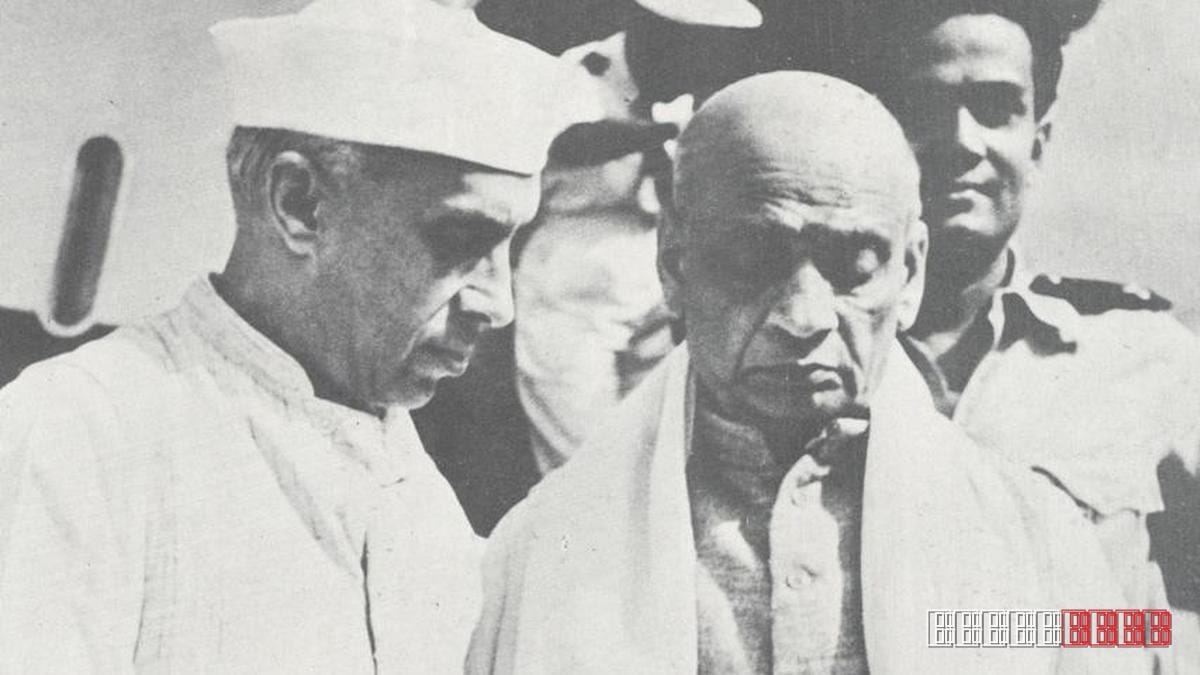
The Hindu reports that the accession of Hyderabad to the Indian Union on September 17, 1948 was not a sudden military takeover but the culmination of parallel diplomatic tracks pursued by the Nizam’s administration and the Indian government. According to the newspaper, senior officials from both sides met repeatedly in the months following independence, attempting to reconcile the princely state’s desire for autonomy with New Delhi’s insistence on a unified nation.
Key breakthroughs came when the Nizam’s prime minister, Mir Laiq Ali, agreed to a limited power‑sharing arrangement that would have placed Hyderabad under a provisional Indian administration while preserving certain internal privileges. Simultaneously, the Indian Ministry of Home Affairs, led by Sardar Vallabhbhai Patel, signaled that a military option remained on the table should negotiations falter. The Hindu notes that these twin strategies—political concession and the looming threat of force—created a “tango” that forced both parties to compromise.
The diplomatic overture, however, was short‑lived. By early September, the Indian government launched Operation Polo, a swift five‑day police action that overwhelmed the Nizam’s private army, the Razakars, and secured Hyderabad’s surrender on the 17th. The Hindu’s account emphasizes that the prior negotiations gave the Indian leadership a legitimate pretext for intervention, framing the operation as a response to lawlessness rather than outright annexation.
Background context
When British rule ended in 1947, India inherited over 500 princely states, each faced with the choice of joining the new dominion or remaining independent. Hyderabad, ruled by the world’s largest Muslim monarch, was strategically vital due to its size, resources, and central location. The Nizam initially sought a separate status, fearing loss of authority, while the Indian leadership, intent on territorial continuity, pressed for integration. The stalemate reflected broader tensions across the subcontinent, where diplomatic pressure, economic blockades, and occasional force were employed to bring reluctant states into the union. Hyderabad’s eventual accession thus illustrates how dual‑track diplomacy—combined with decisive military action—shaped India’s post‑colonial map.
The Hindu concludes that the September 17, 1948 event was the product of both negotiation and coercion, underscoring the complex interplay that defined India’s early nation‑building efforts.
This report is based on original reporting by The Hindu. Read the original source →