Early exit polls put Sweden's centre-left coalition ahead in election
Exit polls indicate the centre-left opposition bloc is leading with just over half the vote as Swedes head to the polls.
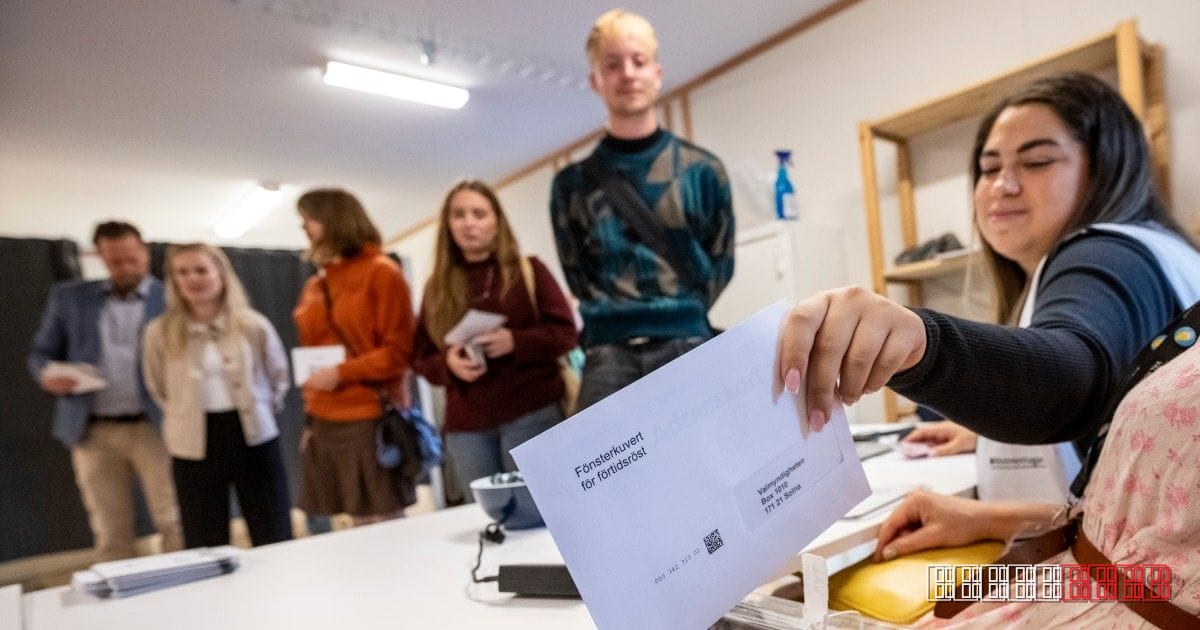
Swedish voters went to the polls on Tuesday, and exit polls released shortly after the polls closed show the centre-left opposition bloc holding a narrow early advantage. According to Al Jazeera, the coalition captured 51.3% of the vote in the first count, putting it ahead of the incumbent centre-right alliance.
The centre-left grouping is composed of the Social Democrats, the Green Party and the Left Party, all of which have pledged to form a joint government if they secure a parliamentary majority. The incumbent coalition, led by the Moderate Party and supported by the Christian Democrats and Liberals, is currently trailing in the early figures.
Sweden’s 349‑seat Riksdag requires at least 175 seats for a majority. In the 2022 election, the centre-right bloc won a slim margin, allowing Prime Minister Ulf Kristersson to form a government that has faced criticism over rising inflation and debates on immigration policy. The current vote therefore represents a potential shift back to the Social Democrats, who have dominated Swedish politics for much of the post‑war era.
The exit poll numbers are provisional; the official count will be completed over the next 24‑48 hours. Historically, Swedish exit polls have been reliable, but final seat allocations can change as votes from remote municipalities are tallied. If the centre-left coalition sustains its lead, it will need to negotiate with smaller parties such as the Centre Party or the Sweden Democrats to secure a stable governing majority.
Sweden’s political landscape has been shaped by its welfare model, strong trade‑union presence and a tradition of coalition governments. The country’s recent foreign‑policy decisions, including its NATO membership in 2023 and a firm stance on EU integration, have also been central campaign themes. Voters appear to be weighing economic concerns against Sweden’s role on the international stage, making the outcome significant not only for domestic policy but also for the broader European balance of power.
While the final results remain to be confirmed, the early lead for the centre-left bloc suggests a possible return to a Social Democratic‑led administration, which could bring changes to fiscal policy, climate initiatives and Sweden’s approach to immigration and security.
This report is based on original reporting by Al Jazeera. Read the original source →