Einride secures 500 Tesla Semis to boost electric freight fleet
The Swedish autonomous logistics firm will acquire 500 Tesla electric trucks, with units destined for Amazon and other carriers.
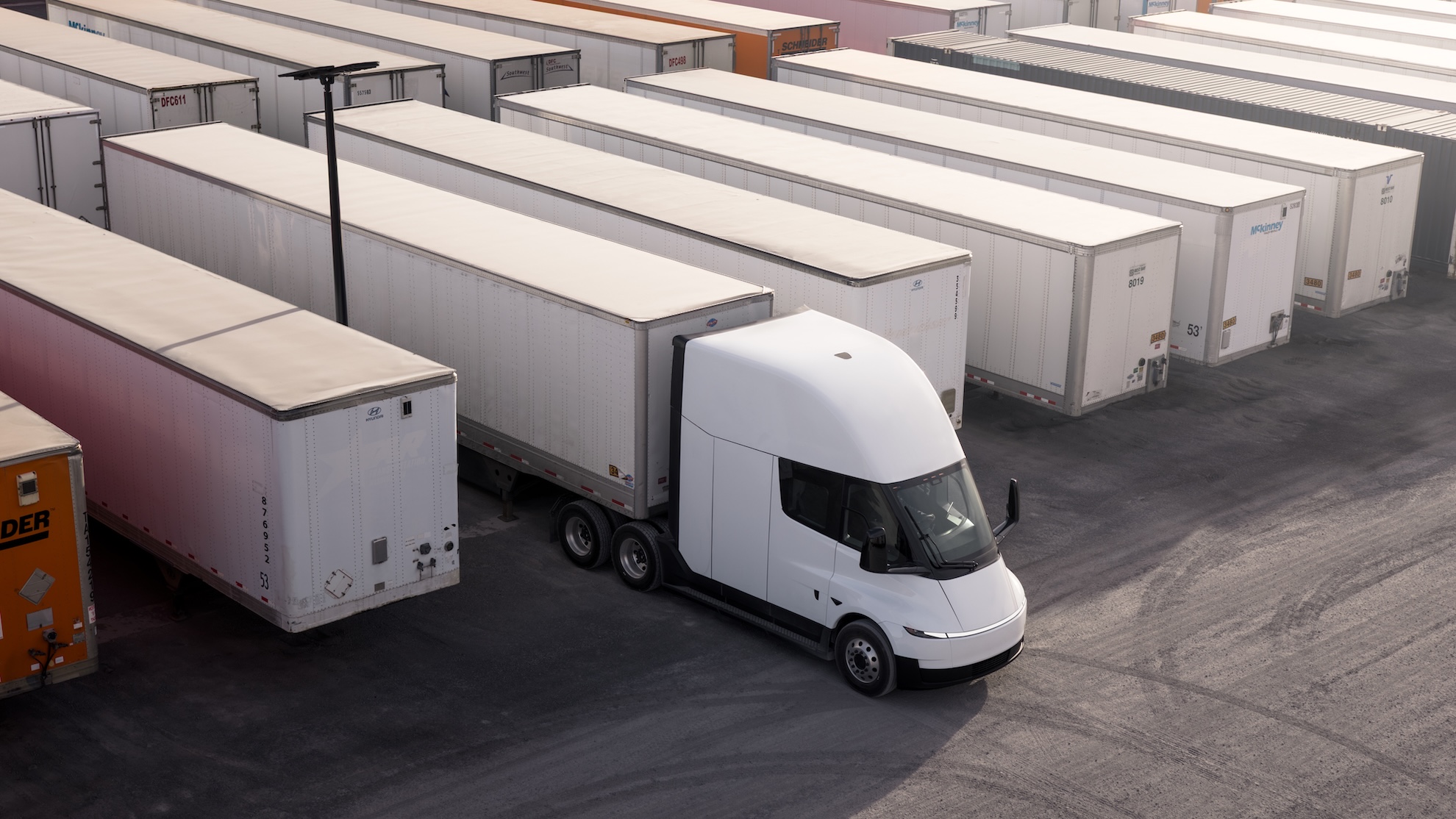
Swedish freight‑tech company Einride announced a major procurement that will see 500 Tesla Semi electric trucks added to its growing fleet. The agreement, confirmed this week, positions the autonomous‑driving startup to expand its zero‑emission services across the United States.
The Tesla Semis purchased by Einride will be built to the specifications of Amazon and a slate of additional logistics customers. While the exact delivery schedule has not been disclosed, the deal underscores a broader shift toward electric powertrains in long‑haul trucking. Tesla’s Semi, first unveiled several years ago, promises a combination of high torque, reduced operating costs and a lower carbon footprint compared with traditional diesel rigs.
Einride, which operates a network of autonomous, driver‑less trucks under its “Pod” platform, has been scaling its operations with a focus on sustainability. Adding a large block of Tesla’s electric trucks aligns with its strategy to replace diesel‑fuelled units and meet growing demand from retailers seeking greener supply‑chain solutions. The partnership also gives Amazon a direct line to a fleet of electric trucks that can be integrated into its own delivery ecosystem.
Industry analysts note that the order represents one of the largest single‑entity purchases of Tesla Semis to date. It signals confidence in both Tesla’s vehicle technology and Einride’s autonomous software stack. The move could accelerate the adoption curve for electric freight in North America, where regulatory pressure and corporate sustainability goals are pushing carriers toward cleaner alternatives.
Both companies have indicated that the trucks will be equipped with Einride’s autonomous driving hardware, allowing the vehicles to operate in driver‑assisted or fully driver‑less modes depending on route and regulatory constraints. The collaboration is expected to generate valuable data that will refine autonomous algorithms and improve efficiency across the network.
As the order moves through production, stakeholders will watch closely for the first deliveries, which could reshape the competitive landscape for electric and autonomous trucking in the coming years.