Essential actions to curb the Bundibugyo Ebola crisis
Reaching remote communities, safeguarding health workers and converting pledges into concrete measures are vital to halt the deadliest Bundibugyo Ebola outbreak.
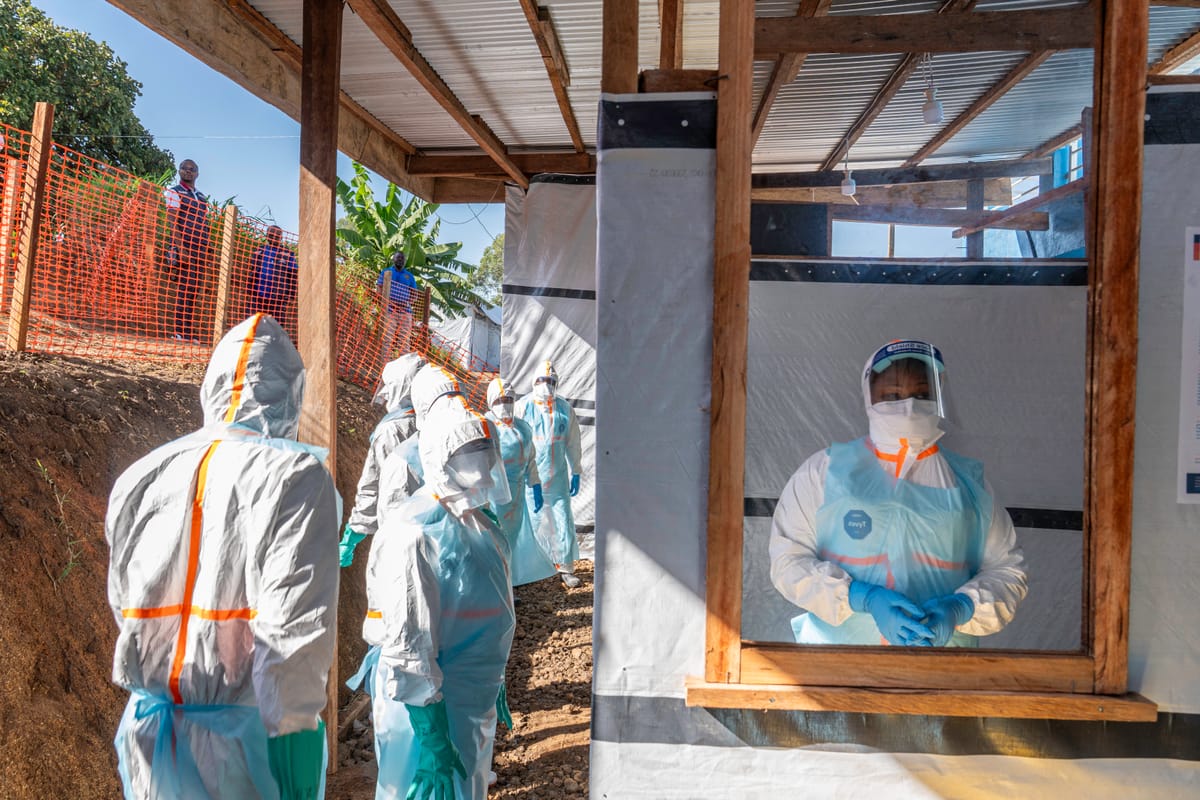
The current Bundibugyo Ebola outbreak, centered in western Uganda’s Bundibugyo district, has escalated into the most lethal episode of this virus strain on record. Health officials warn that without swift, coordinated action the disease could spread beyond the border region and threaten neighboring communities.
A primary priority is to ensure that every affected village, many of which are isolated by rugged terrain and limited road access, receives timely medical assistance. Mobile clinics, equipped with rapid‑diagnosis kits, are being dispatched to bridge the gap between central hospitals and remote settlements. These units aim to identify cases early, isolate patients, and initiate treatment protocols that can reduce mortality.
Frontline health workers face heightened risk as they confront the virus in challenging conditions. Providing them with adequate personal protective equipment (PPE), regular training on infection‑control practices, and mental‑health support is essential. International partners have pledged additional PPE shipments, but logistical bottlenecks have delayed delivery. Accelerating the supply chain and establishing local stockpiles will help protect those on the front lines.
Commitments from donor nations and global health agencies must translate into tangible resources on the ground. Funding allocated for vaccine procurement, cold‑chain infrastructure, and community outreach should be released promptly. Recent advances in rVSV‑ZEBOV vaccine production have made it possible to launch targeted immunisation campaigns, yet vaccine‑rollout plans remain hampered by limited cold‑storage capacity in the region.
Community engagement is another cornerstone of the response. Local leaders, religious figures and radio broadcasters are being enlisted to disseminate accurate information, dispel myths, and encourage early reporting of symptoms. When communities trust the response effort, they are more likely to cooperate with contact‑tracing and isolation measures.
If these three pillars—comprehensive geographic coverage, protection of health workers, and rapid mobilisation of pledged resources—are effectively implemented, the trajectory of the Bundibugyo Ebola outbreak can be altered, averting further loss of life and containing the virus within its current footprint.