Tamil Nadu government meets key demands of conservancy staff, protest paused
The state has agreed to a daily food allowance and new toilet facilities for women, with wage talks slated for early October, The Hindu says.
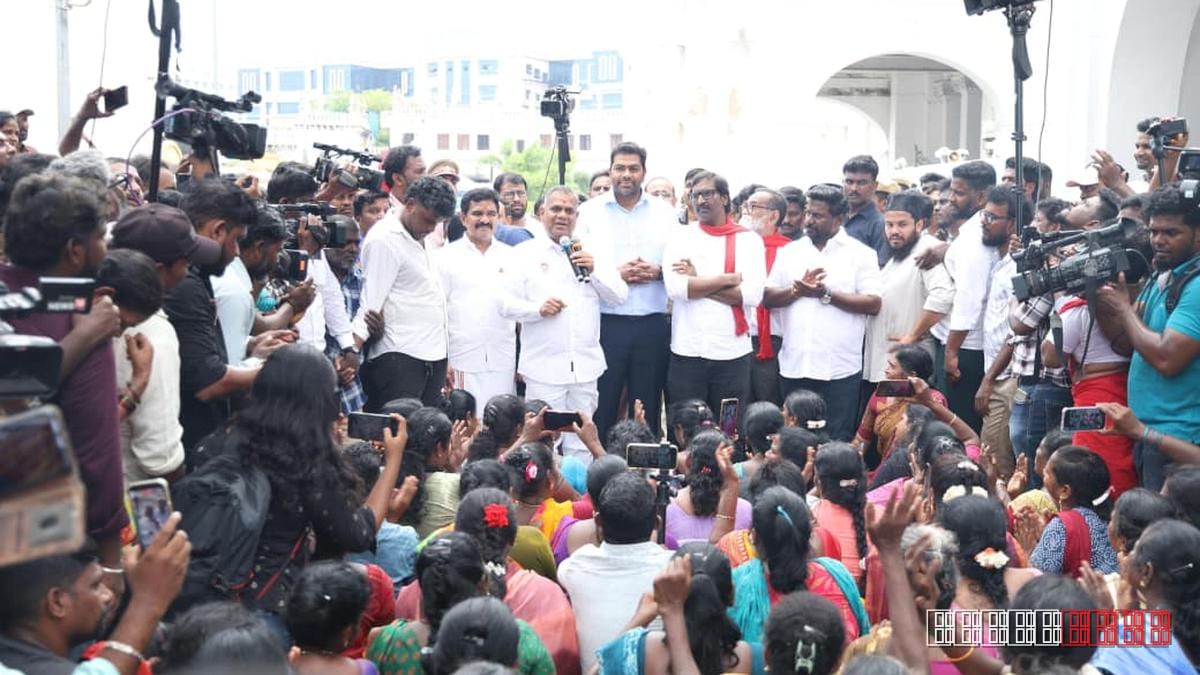
State authorities in Tamil Nadu have agreed to several of the demands raised by Greater Chennai Corporation (GCC) conservancy workers, prompting the employees to suspend their strike temporarily. According to The Hindu, the government will provide a food allowance of ₹50 per day and will construct separate toilet blocks for women staff, addressing two long‑standing grievances.
The agreement does not cover all outstanding issues. Officials have scheduled further negotiations on a wage hike, additional holidays and other benefits for October 3, The Hindu reported. Workers said they will reconvene after those talks, keeping the door open for renewed action if their core demands remain unmet.
Conservancy workers form the backbone of Chennai’s waste‑collection system, handling everything from household refuse to industrial debris. Their jobs are physically demanding and often involve exposure to hazardous materials, yet salaries have lagged behind inflation for years. In recent months, the workforce has staged intermittent protests, citing inadequate pay, lack of proper sanitation facilities, and insufficient leave entitlements. The latest walk‑out, which began in late September, disrupted garbage collection across several city wards, prompting complaints from residents and businesses alike.
The current settlement reflects a broader pattern of municipal labor unrest in India’s fast‑growing cities. Similar strikes have erupted in Delhi, Mumbai and Bengaluru, where sanitation crews demand safer working conditions and fair compensation. Governments typically respond with a mix of temporary concessions and promises of dialogue, aiming to restore essential services while avoiding prolonged disruption to public health.
For Chennai’s residents, the pause in protests means a swift return to regular waste collection, reducing the risk of litter buildup and associated health hazards. It also underscores the importance of addressing labor concerns before they escalate into city‑wide crises. As the October meeting approaches, both sides are likely to weigh the financial implications of a wage increase against the cost of continued service interruptions.
The outcome of the upcoming talks could set a precedent for how Indian municipal bodies negotiate with essential service workers, balancing fiscal constraints with the need to maintain a clean and safe urban environment.
This report is based on original reporting by The Hindu. Read the original source →