Uber withdraws from Nigeria and Uganda as ride‑hailing faces mounting hurdles
The ride‑hailing giant says unsustainable costs and regulatory pressure forced it to exit two key African markets.
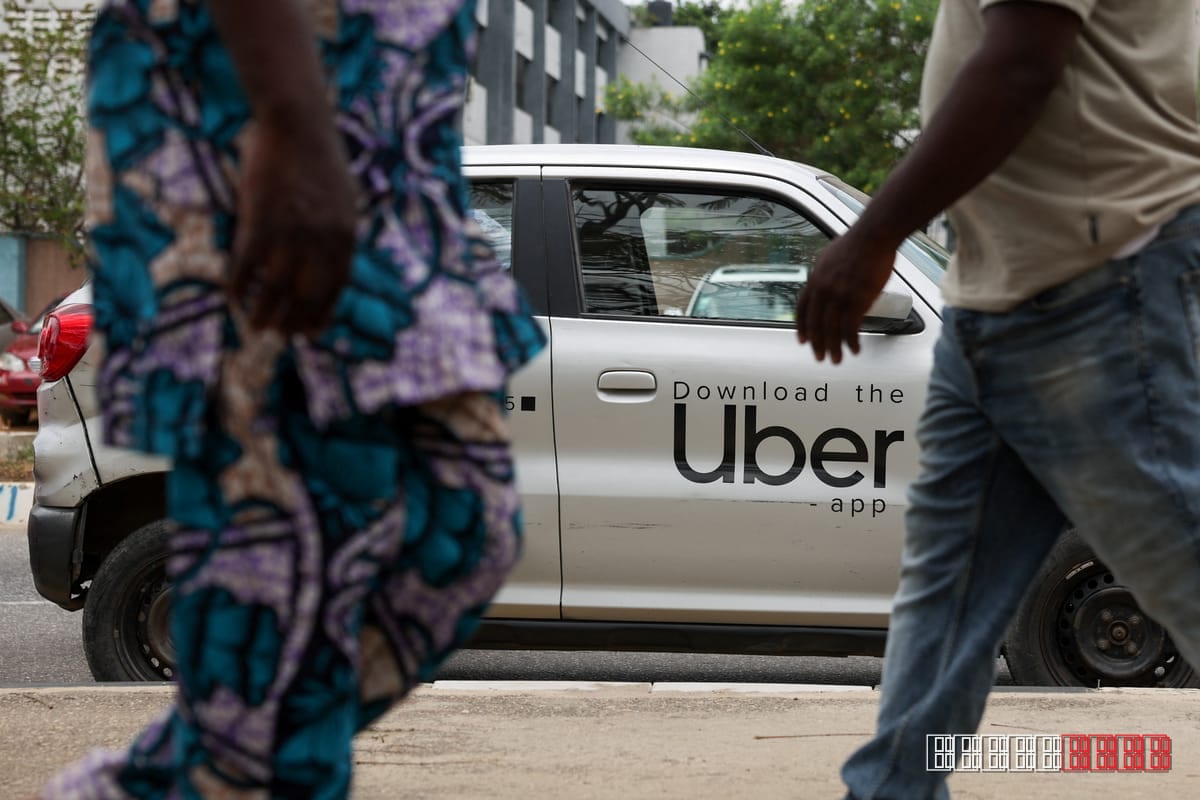
Uber announced that it will cease operations in Nigeria and Uganda, marking the latest retreat of a global ride‑hailing player from the continent. Al Jazeera reported that the company cited “unsustainable business conditions” as the primary reason for the pull‑out, leaving thousands of drivers and regular commuters without the service in both countries.
The exit will affect an estimated 30,000 drivers who relied on the platform for income, according to local driver associations. Uber said it will honor outstanding payments to drivers and will continue to support riders through a limited customer‑service window while the apps are phased out. The company’s statement emphasized that the decision was taken after a “comprehensive review of market dynamics and regulatory frameworks.”
Industry analysts point to a mix of factors that have made the African markets increasingly difficult for multinational platforms. In Nigeria, steep inflation, rising fuel costs and a series of new transport regulations have squeezed margins. Uganda, meanwhile, introduced licensing requirements that demand higher compliance fees and stricter data‑privacy standards. Both environments have also seen fierce competition from home‑grown services such as Bolt, Yego and SafeBoda, which often enjoy lower operating costs and stronger local brand loyalty.
Ride‑hailing entered Africa in the early 2010s, buoyed by rapid smartphone adoption and a growing urban middle class. Companies like Uber and Lyft initially expanded quickly, betting on a continent eager for convenient, cashless transport. However, the sector has struggled to translate high demand into profitability. The high cost of driver incentives, volatile exchange rates, and fragmented regulatory landscapes have prompted several firms to scale back or exit altogether. Uber’s retreat follows similar moves by other global tech firms that have recalibrated their African strategies in recent years.
For the affected drivers, the shutdown means a sudden loss of a major income source, prompting many to migrate to rival platforms or revert to traditional taxi operations. Consumers in Lagos, Kampala and surrounding cities may experience reduced ride availability and potentially higher fares as competition narrows. The departure also underscores the broader challenges facing the digital gig economy in emerging markets, where policy uncertainty can quickly erode business models.
Looking ahead, Uber indicated that it will concentrate on markets where it can achieve sustainable growth, such as South Africa, Kenya and Egypt. The company left the door open for a future return to Nigeria and Uganda if regulatory and economic conditions improve, suggesting that the African ride‑hailing landscape remains fluid and subject to rapid change.
This report is based on original reporting by Al Jazeera. Read the original source →