Federal Reserve hikes rates for first time this year, explaining the impact
The Fed’s latest rate increase aims to curb inflation, and experts break down what the move means for borrowers and the broader economy.
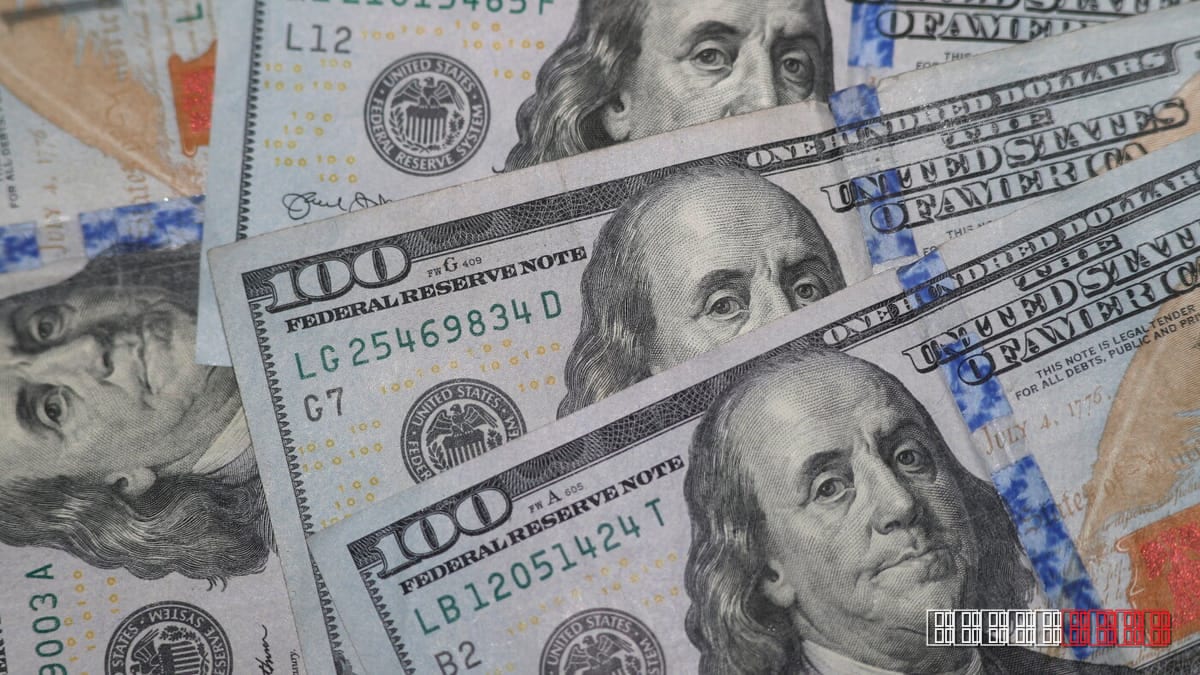
The Federal Reserve announced a 0.25 percentage‑point increase in its benchmark interest rate on Tuesday, marking the first hike of 2026. According to NPR, the decision was taken after policymakers judged that inflation, though easing, remains above the central bank’s 2 % target and that the labor market is still tight.
A higher federal funds rate translates into more expensive borrowing for consumers and businesses. Mortgage rates, auto loans and credit‑card interest are all tied, directly or indirectly, to the Fed’s policy rate, so the hike will likely raise monthly payments for many households. At the same time, the move is intended to temper demand, which should help bring price growth down over the coming months.
The rate increase comes amid a mixed economic backdrop. The U.S. economy has added jobs at a steady pace, but wage growth has outstripped productivity, fueling price pressures. Earlier this year, the Fed kept rates steady, hoping that lower energy prices and supply‑chain easing would be enough to lower inflation without tightening monetary policy. Those hopes have not fully materialized, prompting the board to act now.
Historically, the Fed uses interest‑rate adjustments as its primary tool for managing inflation. When rates rise, borrowing costs increase, slowing spending and investment, which can reduce upward pressure on prices. Conversely, if the economy shows signs of stalling, the central bank may pause or cut rates to avoid a recession. Analysts expect the Fed will monitor upcoming employment reports and consumer‑price data closely before deciding on further moves.
Consumers can mitigate the impact of higher rates by locking in fixed‑rate loans now, refinancing existing debt where possible, and trimming discretionary spending. Businesses may face tighter credit conditions, prompting some to delay expansion plans or seek alternative financing. While the immediate effect is higher costs, the long‑term goal is a more stable price environment that supports sustainable growth.
The Fed’s decision underscores the delicate balance policymakers must strike between curbing inflation and sustaining economic momentum. As the new rates take effect, markets and households alike will watch inflation reports and wage trends to gauge whether additional adjustments are on the horizon.
This report is based on original reporting by NPR. Read the original source →