G20 sees US championing lighter AI rules as EU drafts stricter legislation
At a G20 ministerial meeting the United States urged a relaxed regulatory path for artificial intelligence, while the European Union prepared a comprehensive AI law.
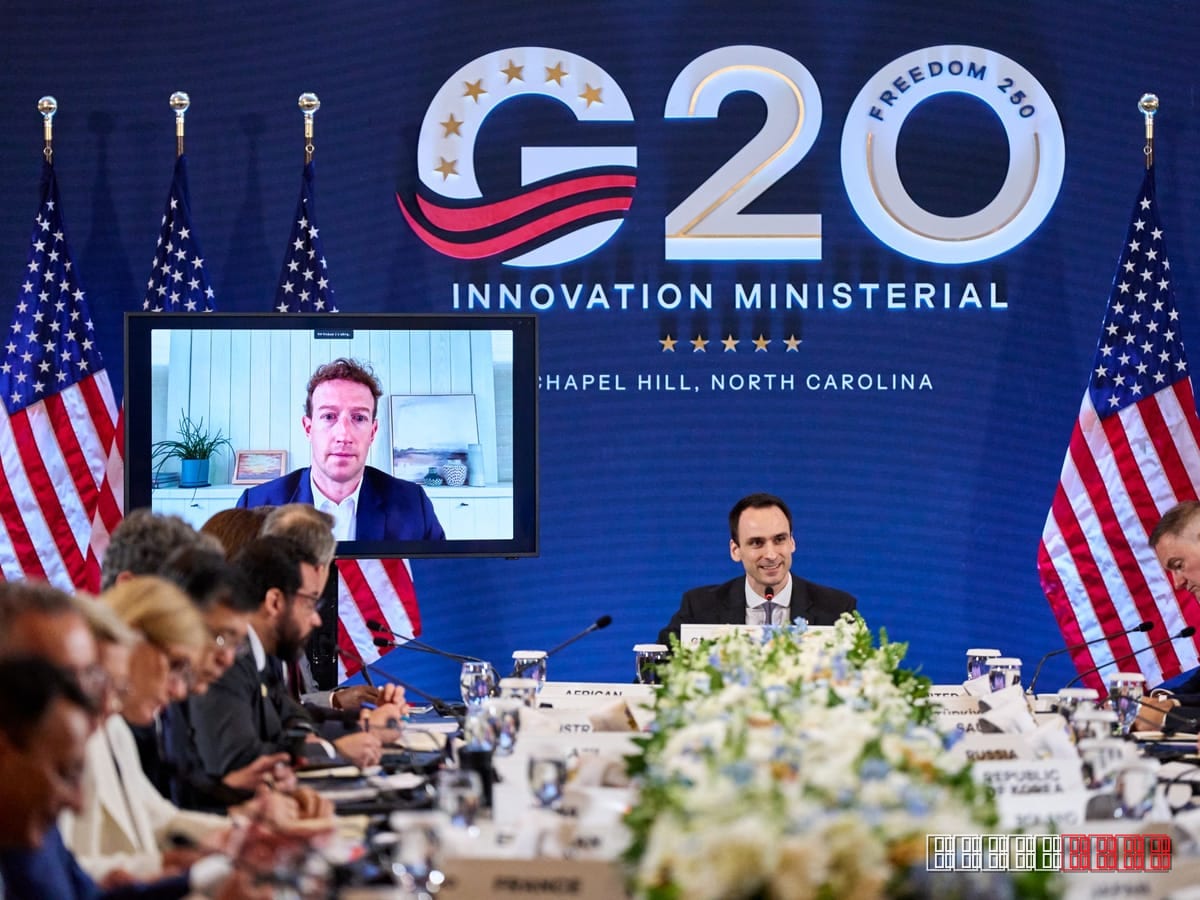
The United States used a G20 ministers’ forum on Thursday to argue that heavy‑handed rules could stifle the rapid growth of artificial‑intelligence firms, according to Al Jazeera. U.S. officials pressed for a “lighter” regulatory framework, saying that innovation and competitiveness should take precedence over pre‑emptive constraints.
In contrast, the European Union signaled that it will move forward with a new AI law that imposes tighter obligations on high‑risk systems. The EU draft, often referred to as the AI Act, would require conformity assessments, transparency disclosures and, in some cases, bans on certain uses of AI. Al Jazeera noted that the European push reflects a broader strategy to set global standards for trustworthy AI.
The divergent positions underscore a widening policy gap between the two biggest economic blocs. While Washington favours a market‑driven approach, Brussels is betting on a rules‑based regime to protect fundamental rights and curb potential harms. Both sides framed their arguments as protecting public interest, but the mechanisms differ sharply.
Background: The debate over AI governance has intensified since large‑language models and generative tools entered mainstream use in 2023. The European Union introduced its AI Act in 2024, becoming the first comprehensive attempt to regulate AI across sectors. The United States, meanwhile, has relied on sector‑specific guidance and voluntary standards, avoiding a unified federal law. The G20, which brings together the world’s largest economies, has become a key venue for shaping cross‑border tech policy, yet consensus on AI has remained elusive.
Analysts warn that the split could lead to a fragmented global market, where companies must navigate two very different compliance regimes. Firms operating in both regions may need to adopt dual‑track strategies, aligning with stricter EU requirements while taking advantage of the U.S. preference for flexibility. The outcome of the G20 discussion could influence future multilateral agreements on AI, but for now the divide appears entrenched.
The next steps include the EU’s formal adoption of its AI law later this year and the United States’ continued push for industry‑led standards through bodies such as the National Institute of Standards and Technology. Observers will watch whether the G20 can broker any middle ground before the regulatory gap widens further.
This report is based on original reporting by Al Jazeera. Read the original source →