Gaza’s medical centers cut electricity amid worsening fuel crisis
Hospitals in the enclave are limiting power use as diesel and oil supplies dwindle, jeopardising patient care, Al Jazeera reports.
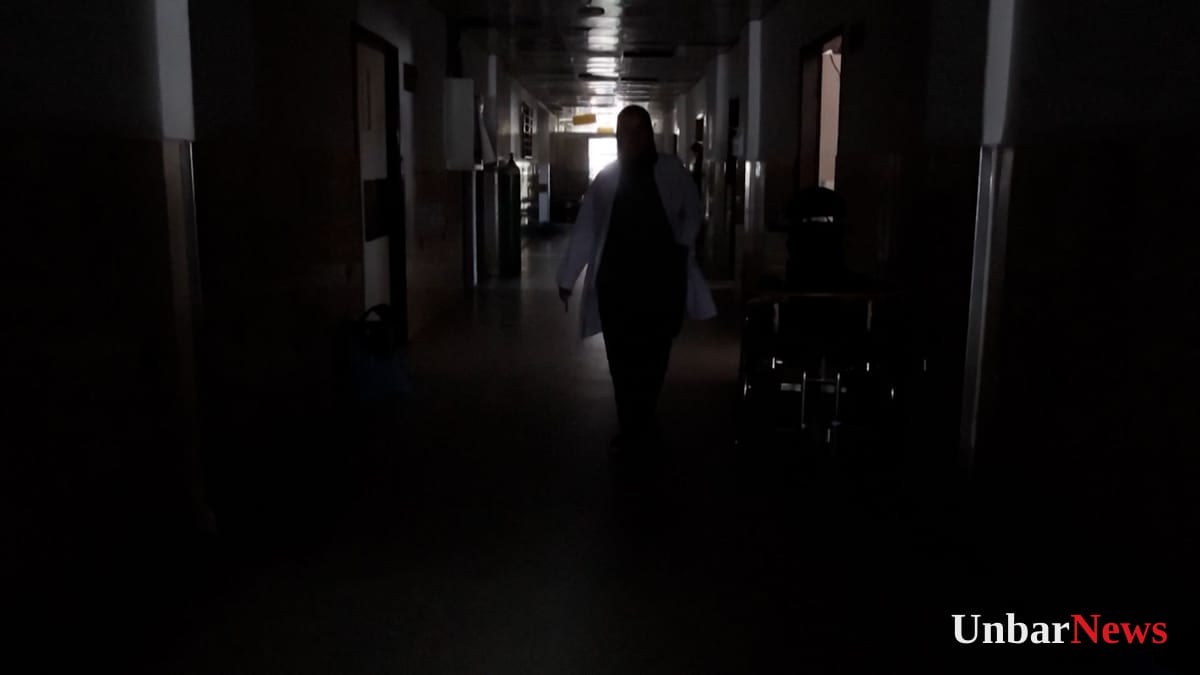
Gaza’s health facilities have begun to throttle electricity use after fuel deliveries fell sharply, according to Al Jazeera. Doctors say the shortage forces hospitals to dim lights, shut non‑essential equipment and postpone surgeries, leaving patients with chronic illnesses and trauma victims in a precarious situation.
The scarcity of diesel and engine oil, essential for generators that back up the power grid, has pushed the Ministry of Health to issue strict rationing guidelines. Staff at several major hospitals report that intensive‑care units are operating on reduced ventilation capacity and that emergency rooms must prioritize only the most critical cases. Al Jazeera noted that the power cuts are affecting both public and private clinics across the strip.
The fuel shortfall stems from a combination of factors: a long‑standing blockade that limits imports, damage to storage facilities during recent hostilities, and a slowdown in aid convoys following the latest round of fighting. International observers say that the blockade, imposed by Israel and Egypt since 2007, has repeatedly hampered the flow of medical supplies, and the current escalation has intensified those constraints.
Patients are feeling the impact directly. Families report that children with asthma, dialysis patients and those awaiting surgeries are facing delays, while hospitals struggle to keep generators running long enough to maintain life‑support systems. Al Jazeera highlighted that without a reliable power supply, the risk of preventable deaths rises sharply.
Gaza’s health sector has operated under severe pressure for over a decade, coping with intermittent electricity, limited medical imports and periodic wars that damage infrastructure. The 2023 conflict left many hospitals partially destroyed, and reconstruction efforts have been slow due to restricted access to building materials. In such an environment, fuel shortages quickly translate into a broader humanitarian crisis, as health services are a critical lifeline for the 2 million residents.
Humanitarian agencies are urging the immediate delivery of diesel and spare parts to restore generator capacity. The United Nations Office for the Coordination of Humanitarian Affairs has called for an emergency fuel corridor, while NGOs are mobilising donations to support backup power solutions. Until fuel shipments resume, Gaza’s hospitals will likely continue to ration electricity, further straining an already fragile health system.
This report is based on original reporting by Al Jazeera. Read the original source →