Germany challenges ICJ's authority over Nicaragua's Gaza genocide filing
Berlin argues the World Court cannot hear Nicaragua's case alleging genocide in Gaza, seeking dismissal on jurisdiction grounds.
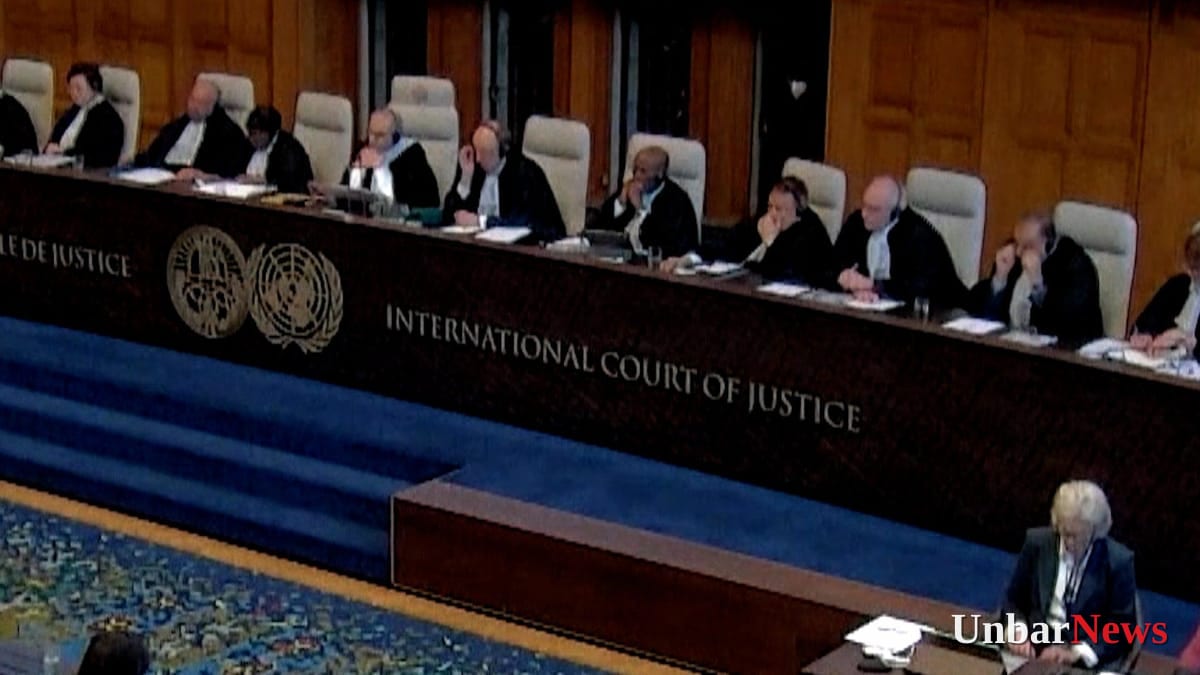
Berlin has lodged a formal objection to the International Court of Justice (ICJ), contending that the tribunal lacks the jurisdiction to consider Nicaragua's claim that Israel committed genocide in Gaza. The German government’s position, reported by Al Jazeera, is that neither Nicaragua nor Israel has consented to the Court’s authority in this matter, a prerequisite for the ICJ to proceed.
Nicaragua, a long‑time critic of Israel’s military actions, filed the application in 2024, invoking the 1948 Genocide Convention and accusing Israel of systematic killings in the Gaza Strip. The move was seen as a diplomatic effort to bring international scrutiny to the conflict, despite the fact that neither party to the dispute has previously accepted the Court’s compulsory jurisdiction.
Germany’s objection hinges on two legal arguments. First, the Court’s jurisdiction is limited to cases where the states involved have expressly accepted its competence, either through treaty provisions or prior declarations. Second, Germany maintains that the alleged acts occurred outside the territory of any state that has recognized the Court’s jurisdiction, further weakening the procedural basis for the case. Al Jazeera noted that German officials warned the filing could set a precedent for politicised use of the ICJ.
The dispute highlights a broader tension within the UN system. The ICJ has historically exercised jurisdiction in contentious cases only when both parties agree, as seen in the 2004 Bosnia and Herzegovina v. Serbia and Montenegro genocide case. Critics argue that allowing a third‑party state like Nicaragua to bring a claim against a non‑consenting state could overextend the Court’s mandate and undermine its credibility.
If the German objection succeeds, the case would be dismissed without a substantive hearing on the merits of the genocide allegations. Conversely, a rejection of the objection could force Israel to respond before the world’s highest judicial body, potentially influencing diplomatic negotiations and public opinion surrounding the Gaza conflict. The outcome will be watched closely by international law scholars and human‑rights advocates alike.
This report is based on original reporting by Al Jazeera. Read the original source →