Israel’s political divide now hinges on Palestinian statehood
The Israeli left‑right spectrum is increasingly defined by views on occupation and a two‑state solution, according to Al Jazeera.
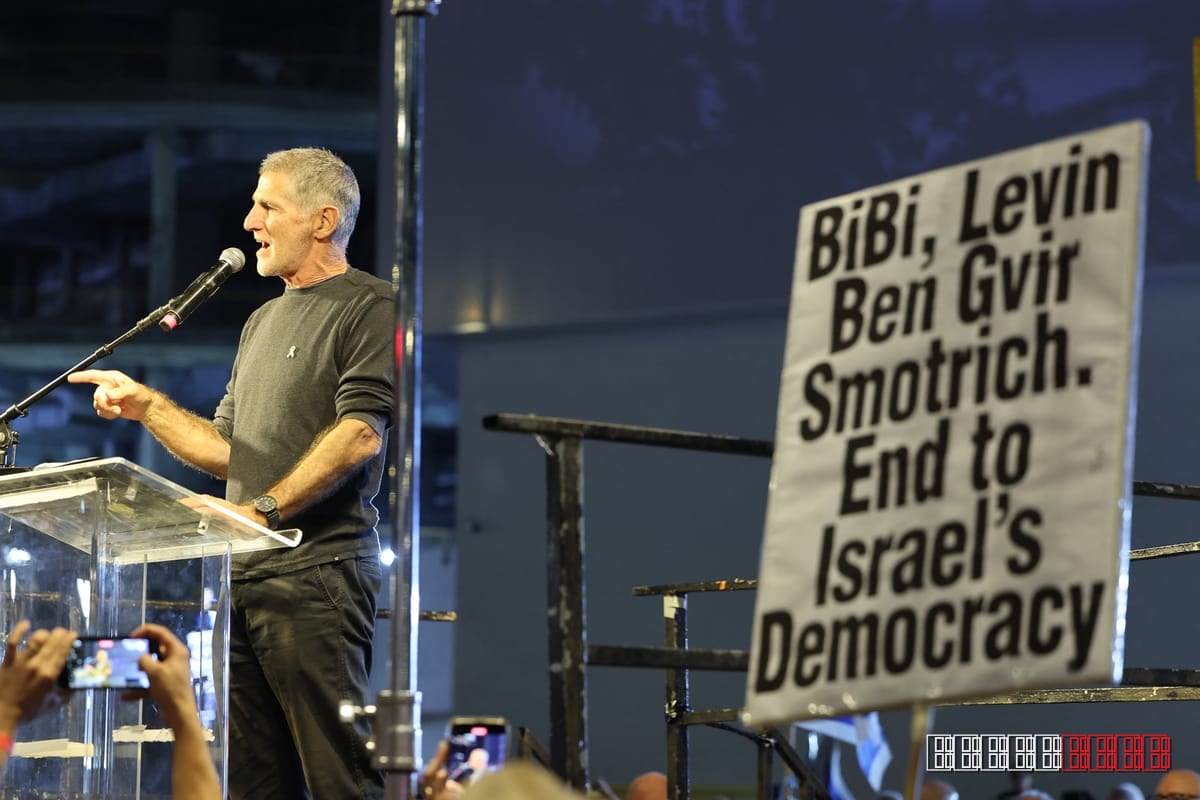
Al Jazeera reported that the traditional economic cleavages that once distinguished Israel’s right from its left have given way to stark differences over the future of the Palestinian territories. Parties on the right, such as Likud and its religious allies, continue to champion settlement expansion and reject the creation of an independent Palestinian state, while left‑leaning groups like Labor, Meretz and the newly formed Yesh Atid emphasize a negotiated two‑state outcome and a pull‑back from occupied zones.
The shift reflects a broader realignment that began after the 2023 Gaza conflict, when public debate sharpened around security and humanitarian concerns. Polls cited by Al Jazeera show that a majority of Israelis now gauge a party’s credibility by its stance on the occupation rather than its fiscal policy. This has forced even centrist parties to clarify their positions on settlement activity and the prospect of a Palestinian state, reshaping coalition negotiations in the Knesset.
Historically, Israel’s political map was divided along socioeconomic lines, with the Labor movement representing the working class and the Likud coalition drawing support from business interests and religious voters. Over the past decade, however, the erosion of the peace process and repeated rounds of violence have turned the Palestinian question into the primary axis of political identity. Analysts note that this realignment mirrors trends in other societies where security issues eclipse economic debates during periods of protracted conflict.
The current government, formed after the March 2026 elections, is a coalition of right‑wing and religious parties that together control a parliamentary majority. Their platform, according to Al Jazeera, prioritises annexation of parts of the West Bank and opposes any international pressure to resume negotiations. Opposition parties, though fragmented, have coalesced around a shared demand for a diplomatic pathway to a Palestinian state, arguing that continued occupation undermines Israel’s democratic character and international standing.
Understanding this redefinition of left and right is crucial for observers of Middle‑East politics, as it influences Israel’s foreign policy, its relationship with the United States, and the prospects for any renewed peace talks. The emphasis on the Palestinian issue also shapes public discourse, affecting everything from university curricula to the rhetoric used by civil‑society groups campaigning for human rights.
The evolving landscape suggests that future elections will be judged less on economic performance and more on how parties navigate the delicate balance between security imperatives and the push for a negotiated settlement. As Al Jazeera notes, the next few years will test whether Israel’s political right can maintain its hard‑line stance or whether a shift toward compromise becomes politically viable.
This report is based on original reporting by Al Jazeera. Read the original source →