Karnataka authority clears zero‑fee option for half of government‑quota medical seats
Students meeting institutional criteria can now claim fee‑free seats under the 50% government quota at SMSIMSR, the KEA announced.
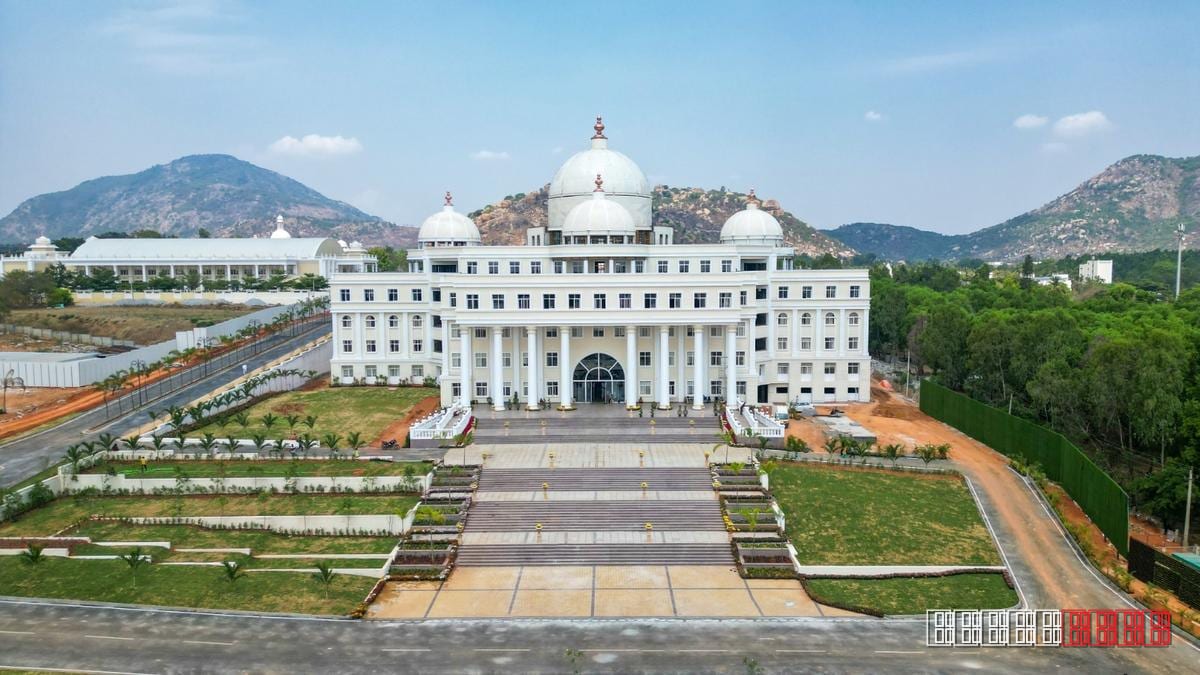
The Karnataka Examination Authority (KEA) has approved a provision that lets eligible candidates enroll in the 50% government‑quota seats at Sri Madhava Shastri Institute of Medical Sciences and Research (SMSIMSR) without paying tuition fees, The Hindu reported. The decision applies to the current academic year and is contingent on students adhering to the institute’s stipulated conditions, which include maintaining academic performance and completing a service bond after graduation.
Under the new arrangement, the zero‑fee seats are limited to the government‑quota portion of the college’s intake, which traditionally accounts for half of all available places. Applicants must first secure a rank in the state’s common entrance test and then satisfy the additional eligibility criteria set by SMSIMSR, such as residency requirements and a commitment to serve in designated public‑health facilities for a prescribed period.
The move follows a broader trend in Karnataka’s medical education system, where the state government has long reserved 50% of seats in private medical colleges for candidates selected through the KEA’s merit‑based counseling. Historically, even the quota seats carried tuition charges, albeit lower than those for the management quota. By eliminating fees for the quota block, the KEA aims to reduce the financial barrier for meritorious students from economically weaker backgrounds, a policy shift that echoes earlier state‑level initiatives to expand affordable medical training.
For prospective doctors, the zero‑fee option could translate into savings of several lakhs of rupees, a significant relief given the high cost of private medical education. Analysts note that while the tuition waiver eases the immediate expense, the service bond—often requiring graduates to work in rural or underserved areas for up to five years—remains a binding obligation. The policy may also influence enrollment patterns, potentially increasing competition for the quota seats as more candidates view them as financially viable alternatives to expensive private seats.
Implementation details, including the exact list of qualifying conditions and the timeline for admission, will be communicated by SMSIMSR in the coming weeks. The KEA has indicated that it will monitor the uptake of the zero‑fee seats and assess the impact on both student demographics and the state’s healthcare workforce. If successful, the model could serve as a template for other private medical institutions seeking to align with government objectives on affordable medical education.
This report is based on original reporting by The Hindu. Read the original source →