Special Assistance Zone Opens at Bengaluru Airport’s Terminal 1
The new facility aims to streamline support for passengers with reduced mobility and other special needs.
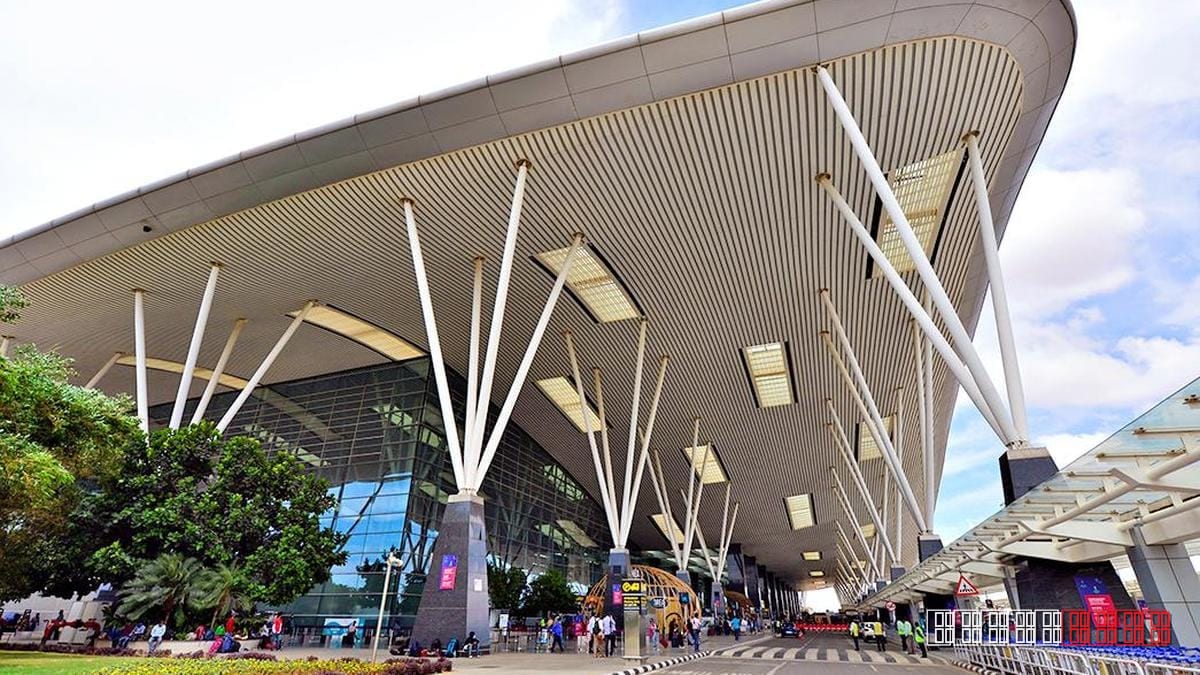
Bengaluru’s Kempegowda International Airport has rolled out a dedicated Special Assistance Zone (SAZ) in Terminal 1, according to The Hindu. The area is designed to provide a one‑stop point where travelers requiring extra help—such as the elderly, persons with disabilities, or those traveling with young children—can receive assistance with check‑in, security, and boarding.
The SAZ is positioned near the main entrance of the terminal, allowing easy access for passengers arriving by private car or public transport. Staffed by trained personnel, the zone offers services that include wheelchair provision, escort to gates, and guidance through security checkpoints. Signage in multiple languages directs travelers to the facility, and the airport has installed ramps and tactile pathways to improve navigation for visually impaired users.
The move reflects a broader push by Indian airports to meet global accessibility standards. Under the Airports Authority of India’s (AAI) guidelines, major hubs are expected to provide barrier‑free infrastructure, a mandate reinforced after India ratified the United Nations Convention on the Rights of Persons with Disabilities. Bengaluru’s SAZ joins similar initiatives at Delhi and Mumbai airports, signaling a shift toward more inclusive travel experiences across the country.
Industry observers note that enhanced assistance services can boost passenger confidence, particularly for families and senior citizens who might otherwise avoid air travel due to logistical hurdles. By centralising support functions, the airport hopes to reduce wait times and streamline the journey from curb to gate, potentially increasing its appeal to both domestic and international travelers.
The Hindu reported that the SAZ will operate round‑the‑clock, aligning with the airport’s 24‑hour flight schedule. While the exact staffing numbers were not disclosed, officials indicated that the zone will be equipped with a range of assistive devices, from motorised scooters to portable ramps, to cater to diverse mobility requirements.
Looking ahead, the airport plans to monitor usage patterns and gather passenger feedback to refine the service. If successful, the model could be replicated at Terminal 2 and other regional airports, further embedding accessibility into India’s aviation infrastructure.
This report is based on original reporting by The Hindu. Read the original source →