Kerala Reclaims More Than 120 Acres from Abandoned Landfills
State officials say remediation work has cleared 29 of 59 old dump sites, turning waste‑laden land into usable space.
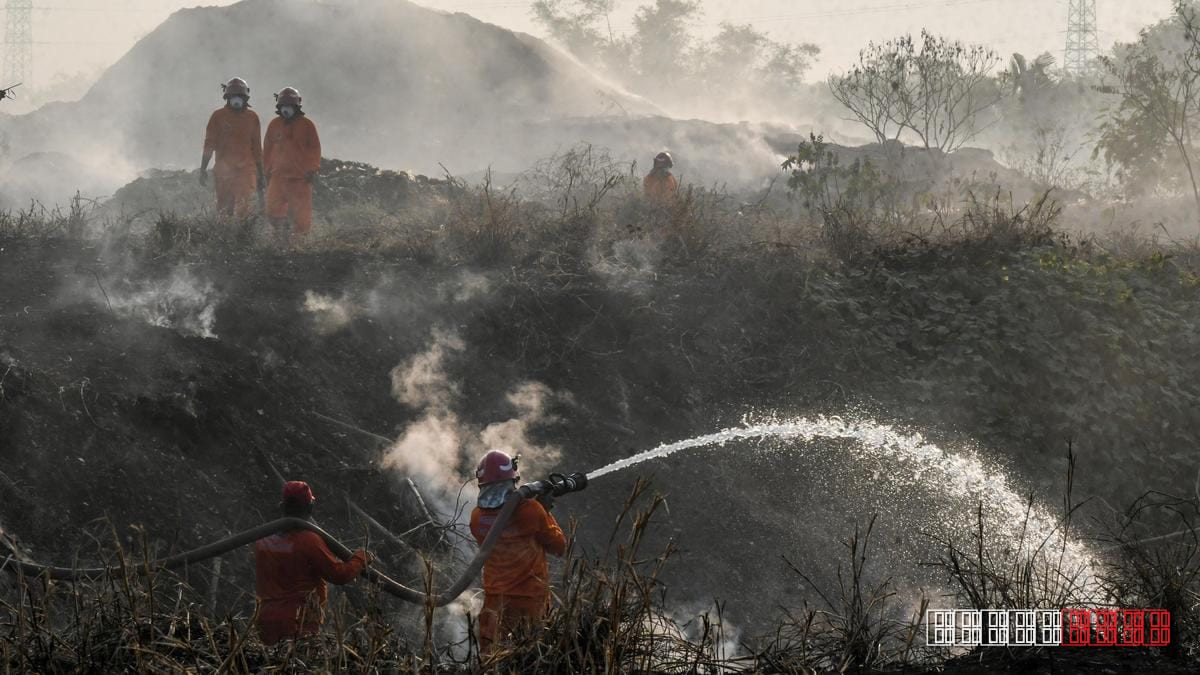
Kerala’s environment ministry announced that the state has successfully reclaimed over 120 acres of land previously occupied by legacy waste dumps, according to The Hindu. The effort, part of a broader clean‑up drive, has seen remediation completed at 29 of the 59 identified sites, allowing the government to consider alternative uses such as public parks, agricultural plots or infrastructure projects.
The reclaimed parcels are spread across several districts, with the largest blocks located near Thiruvananthapuram and Kozhikode. Officials say the process involved capping the waste, planting vegetation to stabilize the soil, and monitoring for leachate to prevent groundwater contamination. Once the sites meet safety standards, the land will be transferred to local bodies for development.
Kerala has long grappled with waste management challenges. Rapid urbanisation and a surge in plastic consumption have strained the state’s limited landfill capacity, prompting the 2016 Kerala Waste Management Rules that mandated segregation at source and the closure of unscientific dumping grounds. However, many older sites, often situated on the outskirts of towns, remained untreated, posing health and environmental risks. The current reclamation program seeks to address those legacy issues while aligning with the state’s goal of achieving a "zero waste" status by 2030.
The initiative also reflects a shift toward circular economy principles. By converting former dump sites into green spaces or productive land, Kerala aims to restore ecosystems, improve air quality, and create community assets. Environmental groups have welcomed the move, noting that reclaimed land can serve as carbon sinks and reduce the pressure on existing waste processing facilities.
Looking ahead, the state plans to accelerate remediation at the remaining 30 sites, with an eye on completing the program within the next two years. Funding is being sourced from both state allocations and central government schemes dedicated to solid waste management. Successful completion could set a precedent for other Indian states wrestling with similar legacy landfill problems.
The reclamation effort underscores the importance of proactive waste policies and the potential for turning environmental liabilities into public benefits, a model that may inform future national waste‑management strategies.
This report is based on original reporting by The Hindu. Read the original source →