Kerala’s veterinary public health unit remains unrealized despite disease warnings
A 2016 panel recommendation for a dedicated veterinary public health wing in Kerala has not yet been implemented, raising concerns amid rising zoonotic risks.
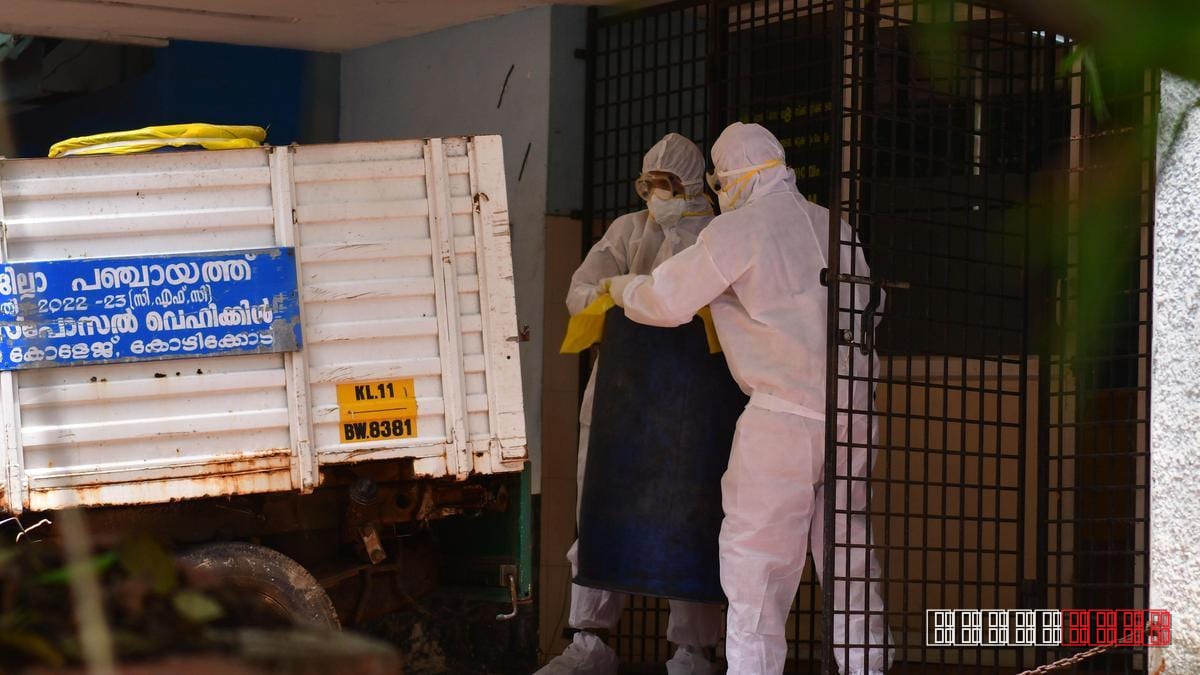
The Hindu reported that a panel headed by Gita N. Potty, approved by the Oommen Chandy cabinet in 2016, recommended the creation of a dedicated veterinary public health section within Kerala’s health administration. More than six years later, the wing has not been established, leaving the state without a coordinated body to monitor and control diseases that can jump from animals to humans.
Kerala’s health officials have repeatedly highlighted the vulnerability of the state to zoonotic outbreaks, citing recent incidents of avian influenza in poultry farms and sporadic cases of leptospirosis following monsoon floods. Without a specialized veterinary public health unit, surveillance relies on fragmented efforts across the animal husbandry department and the general health ministry, which The Hindu says hampers rapid response and data sharing.
The delay in forming the wing is attributed to administrative bottlenecks and budgetary constraints, according to sources familiar with the matter. While the state government has pledged to strengthen its disease‑control infrastructure, the specific mandate, staffing, and funding for the proposed unit remain undefined, leaving the recommendation in limbo.
Why a veterinary public health wing matters
Globally, the World Health Organization has emphasized a “One Health” approach, integrating human, animal, and environmental health to prevent zoonoses. In India, the National Centre for Disease Control has identified zoonotic diseases as a growing public‑health challenge, accounting for an estimated 20% of emerging infectious diseases worldwide. States with dedicated veterinary public health agencies, such as Tamil Nadu and Maharashtra, have reported faster containment of outbreaks like rabies and brucellosis. Kerala’s absence of such a structure could impede early detection, especially in a state known for dense livestock populations and high human‑animal interaction.
Stakeholders, including veterinary colleges and farmer associations, have urged the state to operationalise the wing, arguing that it would facilitate routine animal health monitoring, improve vaccination campaigns, and create a data hub for cross‑sectoral collaboration. They point to the COVID‑19 pandemic as a stark reminder of the costs of delayed action on zoonotic threats.
The Hindu’s coverage underscores that while the recommendation sits on paper, concrete steps—such as appointing a director, allocating a budget, and defining inter‑departmental protocols—are still pending. Until these measures are taken, Kerala’s capacity to pre‑empt and manage zoonotic diseases remains uncertain.
This report is based on original reporting by The Hindu. Read the original source →