Kosovo ex-leader Hashim Thaci awaits sentencing in war crimes case
International prosecutors seek a 45‑year term for the former president and three senior commanders.
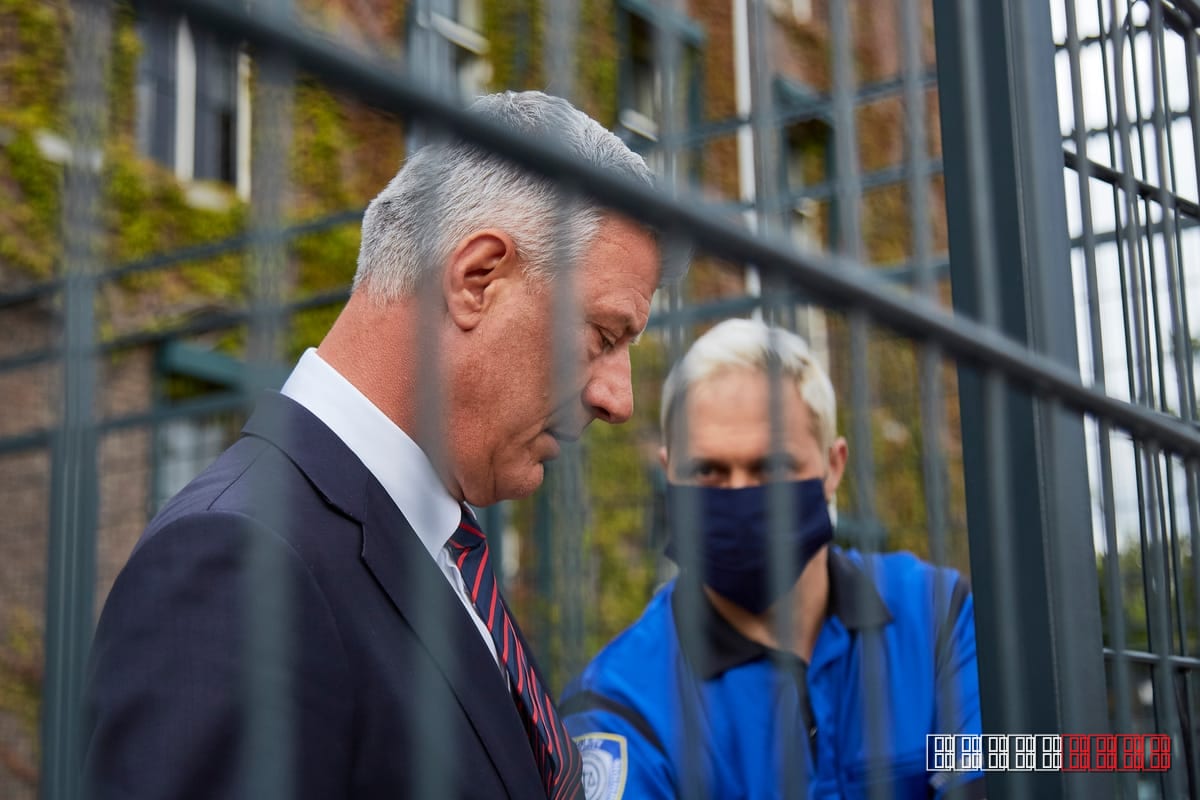
International prosecutors have asked a court to impose a 45‑year prison term on former Kosovo president Hashim Thaci and three of his wartime commanders for alleged war crimes, Al Jazeera reported. The request follows a lengthy trial that examined alleged atrocities committed during the 1998‑99 Kosovo conflict, including killings of civilians and forced displacement. Thaci, who led Kosovo’s liberation movement before becoming its first elected president, has denied all accusations and maintains his innocence.
The verdict is expected later this week, and if the judges accept the prosecutors’ recommendation, Thaci could become one of the longest‑serving political figures ever sentenced for war crimes in the Balkans. The three commanders facing the same sentence have similarly been linked to operations that targeted ethnic Albanian and Serbian populations during the final months of the war.
The case is being heard by the Kosovo Specialist Chambers, a court established in The Hague in 2015 under a bilateral agreement between Kosovo and the European Union. The chambers were created to address allegations that senior officials of the Kosovo Liberation Army (KLA) committed crimes that violated international humanitarian law. Over the past decade, the court has tried a handful of high‑profile figures, signaling a broader regional effort to reckon with the legacy of the 1990s conflicts.
The Kosovo war, which erupted after a failed push for independence from Serbia, resulted in over 13,000 deaths and massive population movements. While NATO’s 1999 bombing campaign halted the fighting, accusations of war crimes on both sides have lingered, complicating Kosovo’s path to full international recognition. Thaci’s trial is therefore seen as a litmus test for the region’s ability to confront its past and build a rule‑of‑law foundation for future governance.
If convicted, Thaci’s sentence would not only affect his personal freedom but could also reshape Kosovo’s political landscape. His party, the Democratic Party of Kosovo, dominates the parliament, and any legal impediment to his leadership may trigger shifts in coalition dynamics and influence upcoming elections. Observers note that the outcome could also impact Kosovo’s diplomatic relations with Serbia and the European Union, which have long tied progress on integration to improvements in governance and accountability.
Human rights groups have welcomed the proceedings as a step toward justice, while supporters of Thaci argue that the trial is politically motivated. Regardless of the verdict, the case underscores the enduring importance of international courts in addressing wartime atrocities and setting precedents for post‑conflict societies.
This report is based on original reporting by Al Jazeera. Read the original source →