Legal battles heat up as AI‑generated songs spark profit disputes
Musicians, tech firms and rights holders clash over who should be compensated for music created by artificial intelligence.
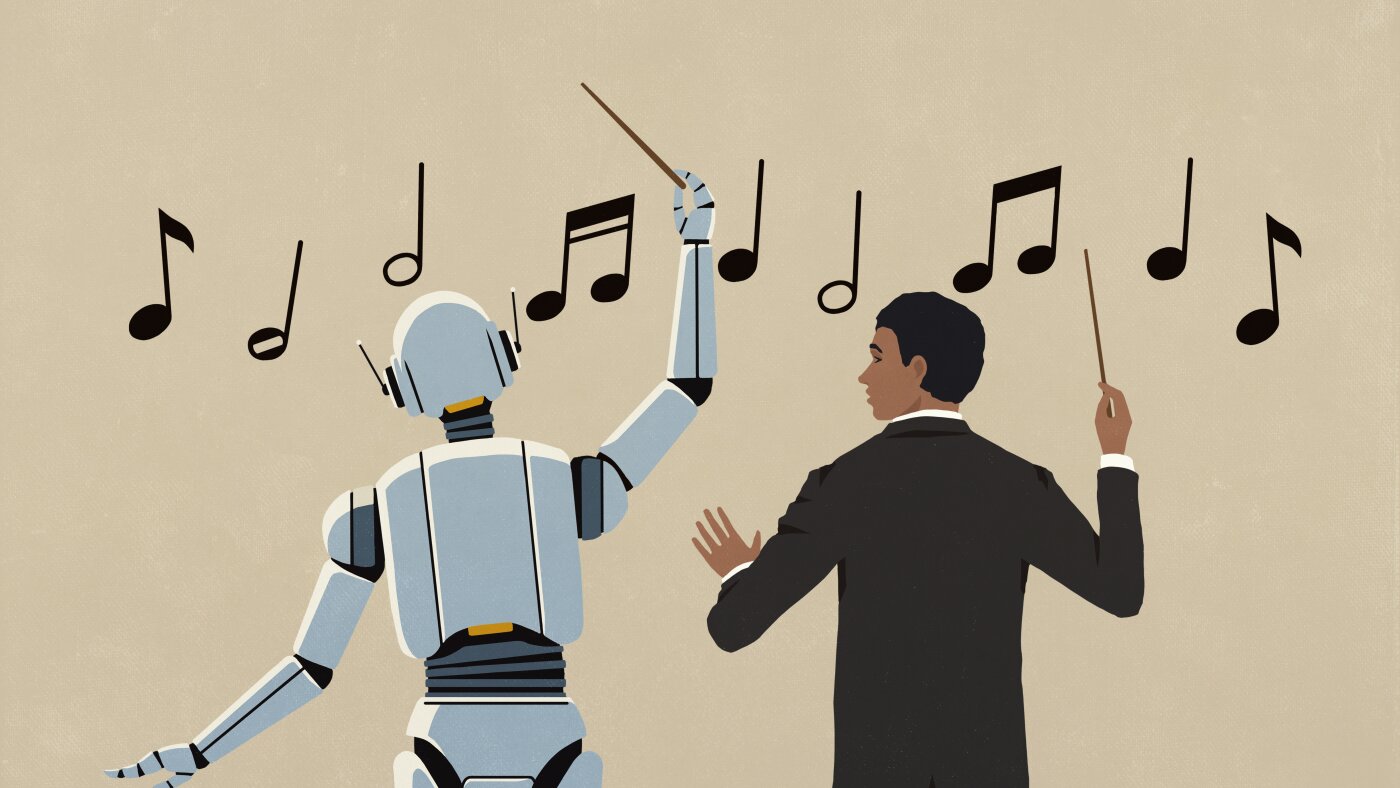
Artificial intelligence can now compose a full‑length track in the time it takes to press play, but the rapid rise of AI‑generated music has ignited a complex debate over compensation. Songwriters, record labels, and AI developers are each laying claim to a share of the revenue, prompting lawsuits, legislative hearings, and platform policy overhauls.
At the heart of the controversy is the question of ownership. AI tools are trained on vast libraries of existing recordings, many of which are still under copyright. When an algorithm produces a new melody that resembles a protected work, the line between inspiration and infringement blurs, leaving creators uncertain about who—if anyone—deserves royalties. Several high‑profile artists have filed legal actions alleging that their copyrighted material was used without permission to train commercial AI models.
Tech companies that market the music‑generation software argue that the output is a novel creation, automatically owned by the user who initiates the prompt. They point to existing intellectual‑property frameworks that treat computer‑generated works as the property of the person who directs the machine. However, rights advocates counter that the training data’s original owners should receive a portion of any profits, especially when the AI’s output closely mirrors their style or specific elements.
Streaming platforms are caught in the middle, trying to balance a surge of AI‑produced tracks with the need to protect licensed content. Some services have begun flagging AI‑generated songs for manual review, while others are experimenting with new royalty‑distribution models that allocate a slice of streaming revenue to data contributors. The industry’s response remains fragmented, with no uniform standard in place.
Lawmakers in Washington are also weighing in. Congressional committees have scheduled hearings to examine how current copyright law applies to machine‑learning‑driven music and whether new legislation is required to ensure fair compensation. Until a consensus emerges, creators, developers and distributors will continue to negotiate the murky terrain of AI‑music profits, a battle that shows no sign of slowing down.