Mother accused of killing three children faces closing arguments as postpartum psychosis draws scrutiny
The high‑profile U.S. murder trial enters its final phase, spotlighting a rare mental‑health condition that may have influenced the defendant’s actions.
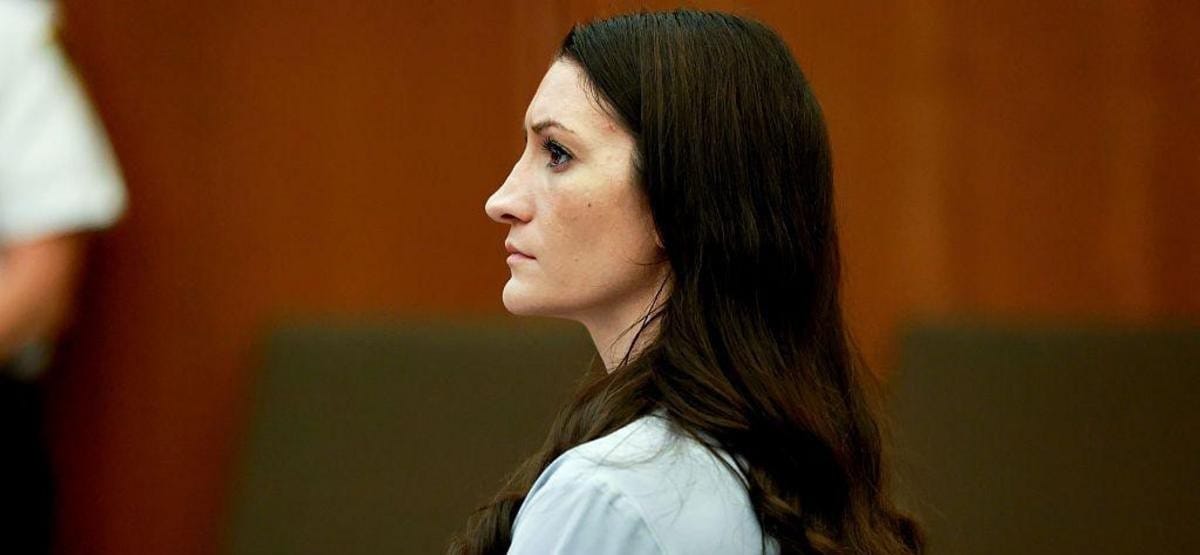
Closing arguments are set to begin this week in a federal courtroom where a mother stands accused of the 2022 deaths of her three young children. Prosecutors have presented a timeline that places the killings within a short span after the family’s last birth, asserting pre‑meditation and a motive rooted in financial strain. The defense, however, has centered its case on postpartum psychosis, a severe but uncommon mood disorder that can emerge in the weeks following childbirth.
The trial, which commenced in early spring, has drawn observers from across the United States and abroad. Mental‑health experts testified that postpartum psychosis affects roughly one to two women per 1,000 births and can trigger delusional thinking, hallucinations, and a loss of reality. While the condition is recognized medically, its legal implications remain contentious, prompting vigorous debate among attorneys, psychiatrists, and advocacy groups.
During the proceedings, the defense highlighted the defendant’s medical records, which documented a sudden onset of psychotic symptoms shortly after her third child was born. Witnesses described erratic behavior, insomnia, and a reported belief that the children were possessed. The prosecution countered that the mother’s actions were calculated, pointing to text messages and financial documents that suggested an intent to claim insurance benefits.
Family members of the victims have spoken publicly, describing the children as bright and loving, and urging the court to deliver a verdict that reflects the gravity of the loss. Meanwhile, organizations focused on maternal mental health have used the case to call for broader screening and support for new mothers, warning that early intervention could prevent tragedies linked to severe postpartum disorders.
As the jury prepares to hear the final summations, the judge reminded jurors that their decision must rest solely on the evidence presented, without regard to public sentiment or media coverage. The verdict, expected within weeks, will not only determine the fate of the defendant but may also shape future legal approaches to cases involving mental‑health defenses.