Meta rolls out lighter AI glasses without cameras, touts 12‑hour battery
The company’s newest wearable drops the lens‑mounted camera, promising a slimmer design and all‑day power for privacy‑conscious users.
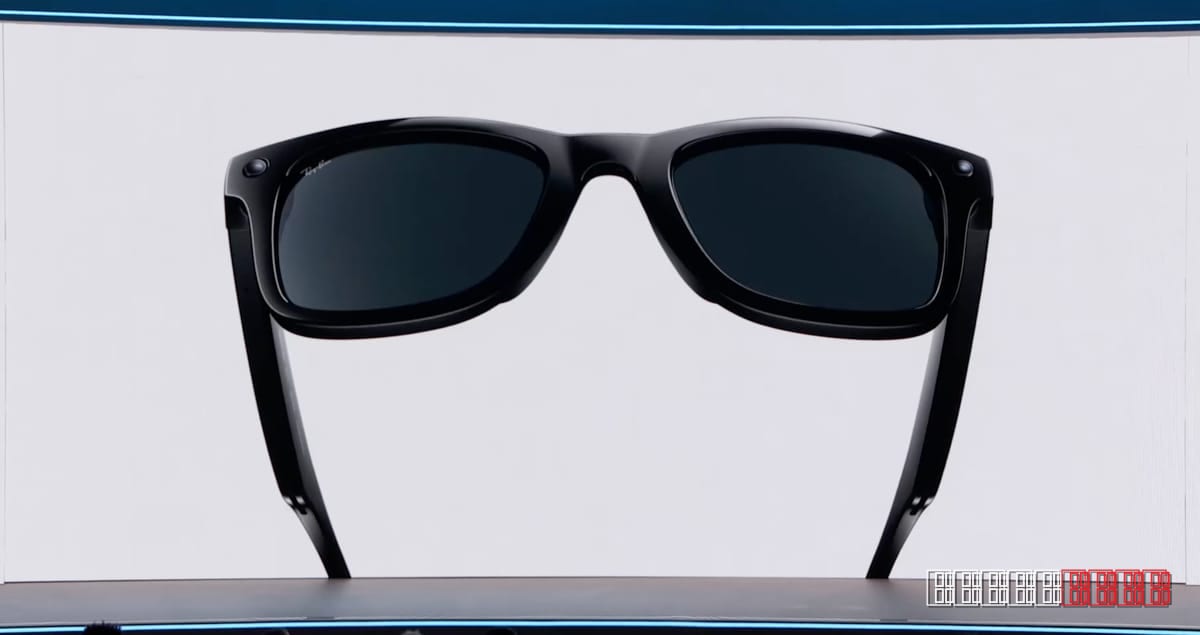
Meta announced a new line of AI‑powered smart glasses that forgo a built‑in camera, a move the company says will make the device lighter and extend usage to roughly 12 hours on a single charge. TechCrunch reported that the omission of a camera is a deliberate design choice aimed at addressing privacy concerns while still delivering on‑device artificial‑intelligence features such as real‑time translation and contextual information overlays.
According to the filing, the glasses incorporate a custom silicon processor that runs inference locally, eliminating the need for constant cloud connectivity. The hardware footprint is reduced, allowing the frames to sit closer to the weight of ordinary sunglasses. Battery capacity has been boosted to support a full workday, and the device supports wireless charging via a proprietary dock. Pricing and a public release date were not disclosed at the event.
Meta’s push into the augmented‑reality (AR) market has been incremental. Earlier products like Ray‑Ban Stories and the Quest VR headsets introduced mixed‑reality capabilities but were hampered by bulkier form factors and limited battery life. Competitors such as Apple, Google, and Snap have also filed patents for camera‑free wearables, reflecting a broader industry shift toward privacy‑first designs. Analysts note that the AR glasses market, projected to reach $30 billion by 2030, remains fragmented, with consumer adoption hinging on comfort, battery endurance, and clear use‑case value.
The camera‑free approach could ease regulatory scrutiny and user hesitancy, especially after high‑profile debates over facial‑recognition and data collection. By keeping visual capture hardware out of the frame, Meta may position the glasses for enterprise scenarios—like hands‑free instruction in factories—or for discreet personal assistance without the stigma of being recorded.
Looking ahead, Meta plans to integrate its Llama‑2 language model into the glasses, enabling voice‑activated queries and on‑the‑fly translations. If the company can deliver a price point competitive with premium eyewear, the product could accelerate mainstream acceptance of AI‑enhanced wearables and set a new benchmark for privacy‑centric design in the AR space.
This report is based on original reporting by TechCrunch. Read the original source →