Meta unveils Muse Charm, a dedicated AI assistant device
At Meta Connect, the company showcased Muse Charm, a standalone gadget designed to run its new Muse AI agent without a phone.
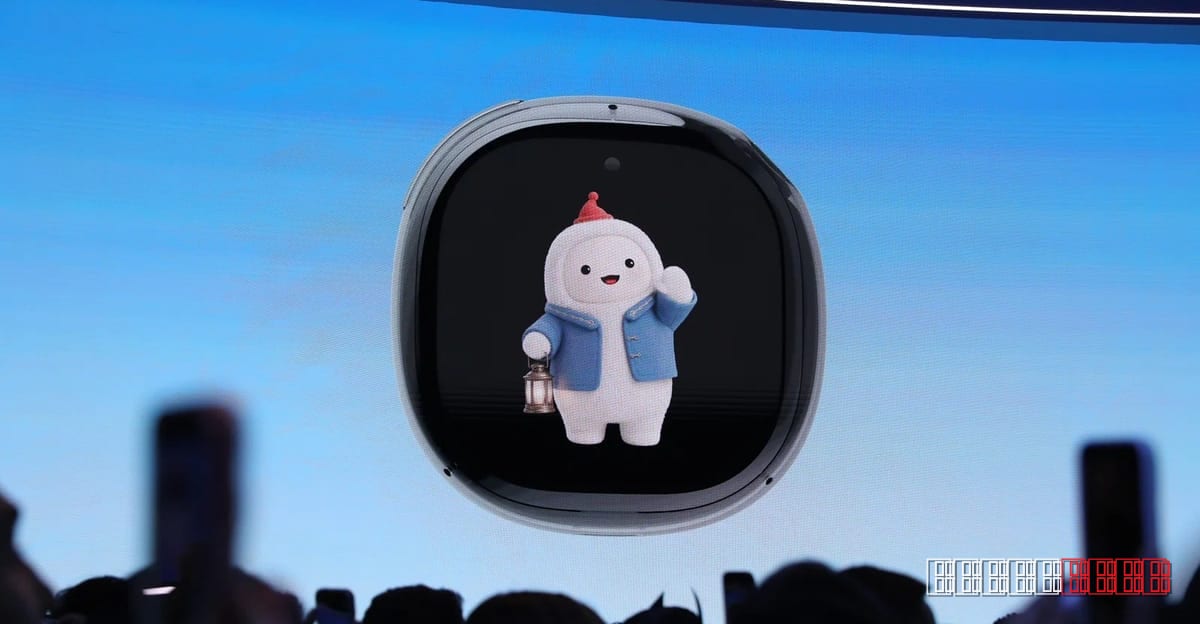
Meta introduced a new piece of hardware called Muse Charm during the closing moments of its Connect conference, positioning it as a companion for the company’s latest Muse AI assistant. The Verge reported that the device resembles a bulkier smartwatch without a strap, featuring a rectangular screen and a short lanyard for easy portability.
The prototype displayed a fingerprint sensor on the upper right side, which users press to wake the assistant and start a voice conversation. According to The Verge, a small camera sits near the top of the front panel, and at least three microphone openings are visible, suggesting the device can capture audio from multiple angles. The design appears to forgo the need for a phone unlock, allowing direct interaction with the Muse agent.
Zuckerberg emphasized that Muse Charm lets users engage the AI without reaching for a smartphone, highlighting a shift toward more dedicated, always‑ready AI hardware. While no pricing or launch date was disclosed, the presentation hinted at a near‑term rollout, with the device potentially targeting both existing Meta ecosystem users and newcomers interested in voice‑first computing.
The move follows a broader industry trend of embedding conversational AI into standalone gadgets. Meta has previously experimented with hardware such as the Quest VR headsets, Portal video‑calling devices, and the Ray‑Ban Stories smart glasses, each aiming to deepen user engagement with its services. By separating the AI experience from a phone, Meta may be addressing concerns over battery drain, privacy, and the friction of switching contexts. Analysts see this as an attempt to create a new product category that competes with Amazon’s Echo Show or Google’s Nest Hub, but with a stronger emphasis on personal AI interaction rather than smart‑home control.
If Muse Charm reaches the market as shown, it could reshape how consumers access generative AI, making voice‑driven assistance a more immediate part of daily routines. The device’s success will likely depend on the robustness of the Muse agent, integration with Meta’s broader software stack, and consumer appetite for a dedicated AI companion in an increasingly crowded smart‑device landscape.
This report is based on original reporting by The Verge. Read the original source →