Modi calls frontier stability essential for India‑China partnership
India's prime minister says lasting peace along the contested border is crucial for improving ties and addressing trade imbalances with China.
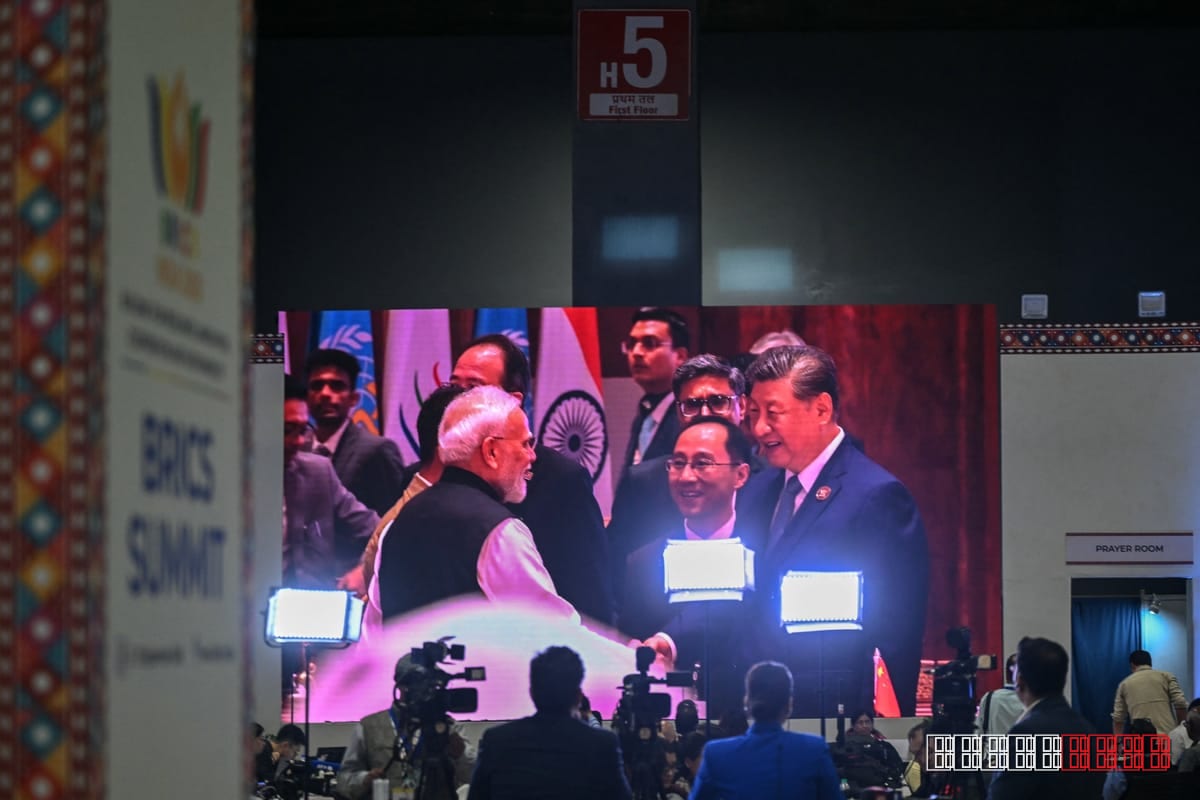
Indian Prime Minister Narendra Modi told reporters that a durable peace on the disputed frontier is the foundation for any meaningful progress in India‑China relations. The comment, reported by CNBC, came as Modi and Chinese President Xi Jinping discussed lingering border tensions and the sizable trade gap that favours Beijing.
Modi’s remarks were made during a bilateral meeting that coincided with a broader dialogue among BRICS leaders. While the two leaders did not announce any concrete policy shifts, they both acknowledged that the unresolved border issue continues to cast a shadow over economic cooperation and regional stability.
According to CNBC, the leaders also highlighted the need to rebalance trade flows, noting that India imports far more from China than it exports. No specific figures were disclosed, but analysts have long warned that the trade deficit hampers India's manufacturing ambitions and fuels political pressure to diversify supply chains.
The India‑China border has been a flashpoint for decades, dating back to the 1962 war that left a legacy of mistrust. More recent skirmishes in the Himalayas, especially the 2020‑2021 clashes in Ladakh, have intensified calls in New Delhi for a clear demarcation. Historically, the two countries have relied on a “line of actual control” (LAC) that both sides interpret differently, leading to periodic stand‑offs. Maintaining peace along this line is seen not only as a security imperative but also as a prerequisite for expanding trade and investment, especially as both nations seek greater influence within the BRICS bloc.
Observers say that Modi’s emphasis on border peace signals a diplomatic balancing act: he must reassure domestic audiences of a firm stance while keeping channels open for economic engagement. For Chinese officials, acknowledging the trade imbalance without conceding on sovereignty issues reflects a pragmatic approach to preserving the broader strategic partnership.
The next steps are likely to involve continued high‑level talks and possibly the formation of a joint working group to monitor border incidents. If successful, such mechanisms could reduce the risk of accidental escalation and create a more predictable environment for businesses on both sides of the border.
This report is based on original reporting by CNBC. Read the original source →