Modi pushes for Global South voice at BRICS meeting
India's prime minister urged a reshaping of world institutions to give emerging economies greater say, Al Jazeera reports.
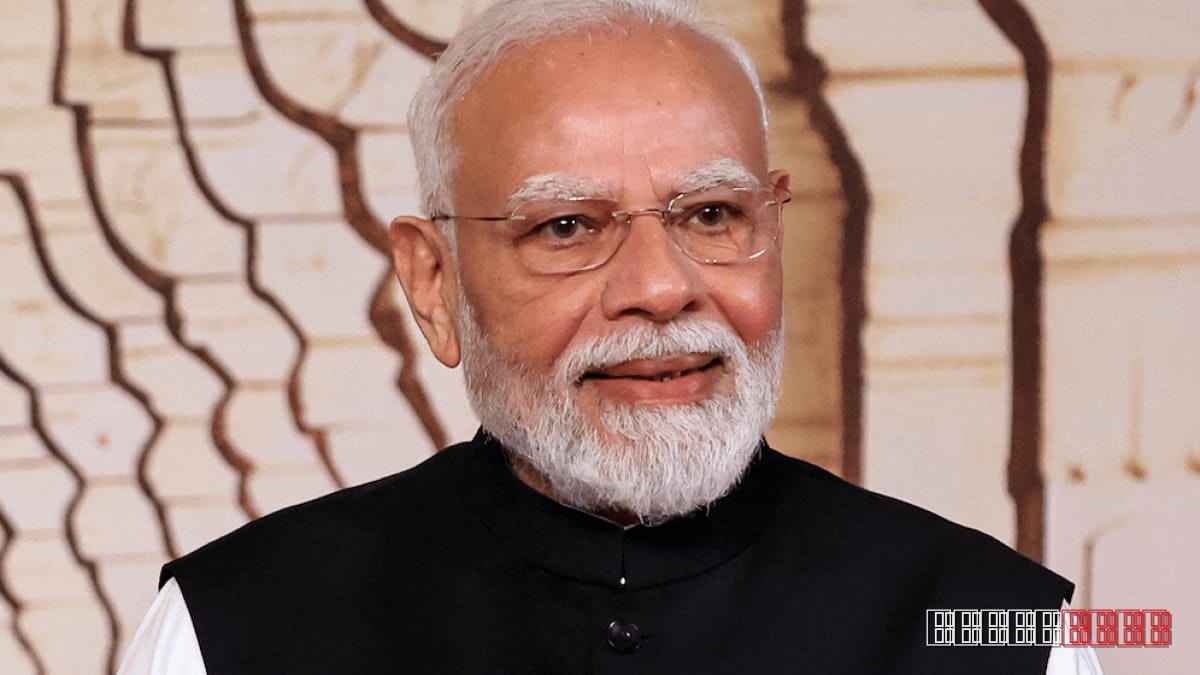
India's Prime Minister Narendra Modi used his platform at the recent BRICS summit to demand a sweeping overhaul of the existing global governance architecture, calling for stronger representation of the Global South, Al Jazeera reported. The appeal came during a plenary session where leaders of Brazil, Russia, China, South Africa and India discussed cooperation on trade, technology and security.
Modi argued that the current system, dominated by a handful of Western powers, fails to reflect the economic and demographic realities of the 80 percent of the world's population living in developing nations. He suggested that institutions such as the United Nations Security Council, the International Monetary Fund and the World Bank need to be restructured to allow emerging economies a larger role in decision‑making.
The call aligns with a broader pattern in Modi's foreign policy, which has increasingly positioned India as a champion of South‑South collaboration. Since taking office in 2014, he has championed initiatives like the International Solar Alliance and has sought to deepen ties with African and Latin American countries. The BRICS platform, which now includes a combined GDP of over $30 trillion, offers a venue for such diplomatic outreach.
Historically, the term "Global South" refers to nations in Africa, Latin America, Asia and Oceania that share common challenges such as poverty, limited access to technology, and under‑representation in global fora. Calls for reform have surfaced repeatedly, especially after the 2008 financial crisis, but concrete changes have been slow. By voicing the demand at a high‑profile summit, Modi hopes to galvanize collective action among the bloc's members and push for reforms in upcoming international meetings.
Analysts note that while the BRICS grouping lacks formal authority to rewrite international rules, its growing economic clout gives it leverage to negotiate concessions from established powers. If the summit's declarations translate into coordinated diplomatic pressure, the push for a more inclusive governance model could gain momentum in the next round of IMF quota reviews or UN reforms.
The summit concluded with a joint communiqué reaffirming the members' commitment to multilateralism and to “enhancing the participation of developing countries in global decision‑making,” echoing Modi's earlier remarks. Whether these statements will evolve into actionable policy remains to be seen, but the emphasis on the Global South signals a shift in the discourse surrounding international equity.
This report is based on original reporting by Al Jazeera. Read the original source →