Monsoon season unveils hidden life in India’s forests
Rain‑laden months turn Indian woodlands into bustling habitats for frogs, birds, fungi and other lesser‑seen creatures, offering travelers a fresh safari experience.
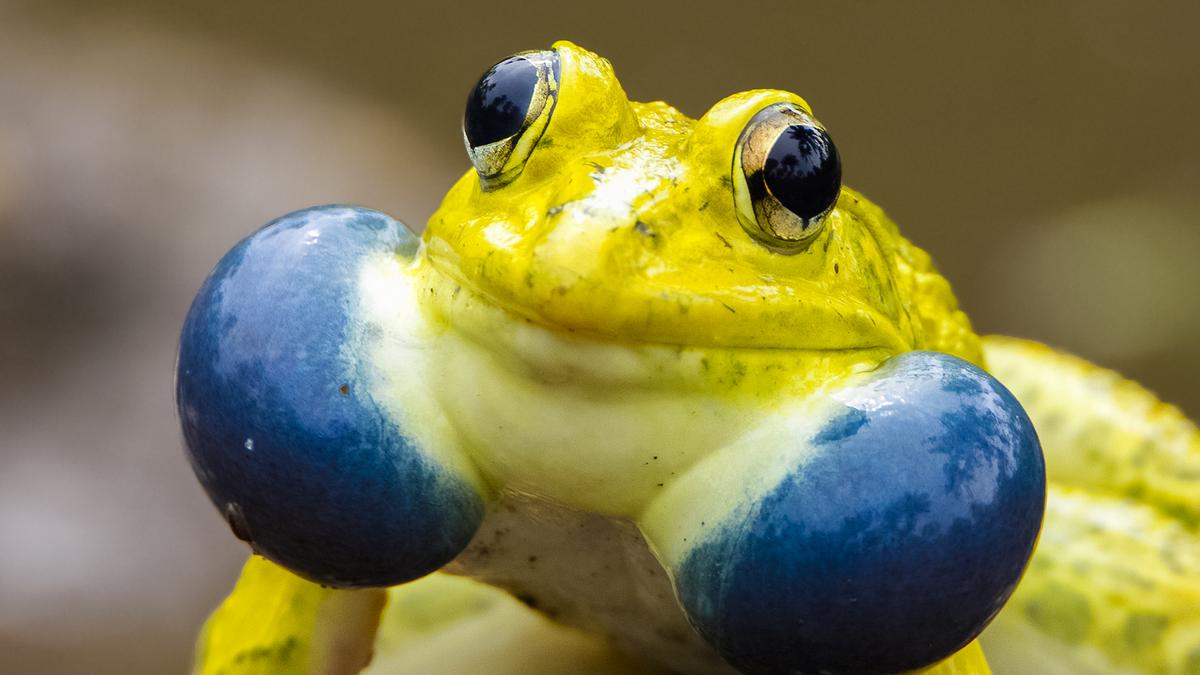
The arrival of the monsoon transforms India’s vast forested regions into a dynamic theater of life. While the dry months draw visitors to iconic megafauna, the wet season shifts the spotlight to the smaller, often overlooked inhabitants that emerge once the first drops fall.
Naturalist‑led treks at wildlife lodges across the country now centre on amphibian choruses, bird nesting colonies and sudden bursts of mushroom growth. In the Western Ghats, the rain triggers a symphony of croaking frogs, while canopy‑level walks in Kanha reveal flocks of drab‑breasted babblers building nests among fresh foliage. Along the banks of the Ganges, the Sunderbans’ mangroves host a surge of migratory birds that take advantage of the abundant insects spawned by the waterlogged terrain.
The monsoon also fuels a rapid fruiting cycle, providing a feast for mammals and primates. In the forests of Madhya Pradesh, ripe figs and berries appear in weeks, drawing species such as leopards and langurs closer to lodge perimeters, where visitors can observe them from a safe distance. Meanwhile, mycologists at eco‑lodges in Assam report a proliferation of edible fungi, turning forest floors into a mosaic of color and scent.
Guides adapt to the challenges of the season—mud‑slick trails, leeches and occasional flash floods—by equipping guests with waterproof gear and planning shorter, more frequent walks. Night safaris become particularly rewarding, as many amphibians and insects are most active after sundown, offering a sensory experience that differs markedly from daylight excursions.
Travelers seeking a deeper connection with nature are finding the monsoon an ideal time to explore India’s forests. The season not only supports biodiversity but also provides an intimate glimpse into the life cycles that sustain these ecosystems, reinforcing the importance of responsible tourism and conservation efforts.