New documents expose hidden toxic air exposure in post‑9/11 New York
A cache of research records released this week suggests city officials downplayed the health risks of dust after the 2001 attacks, prompting the mayor to accuse authorities of deception.
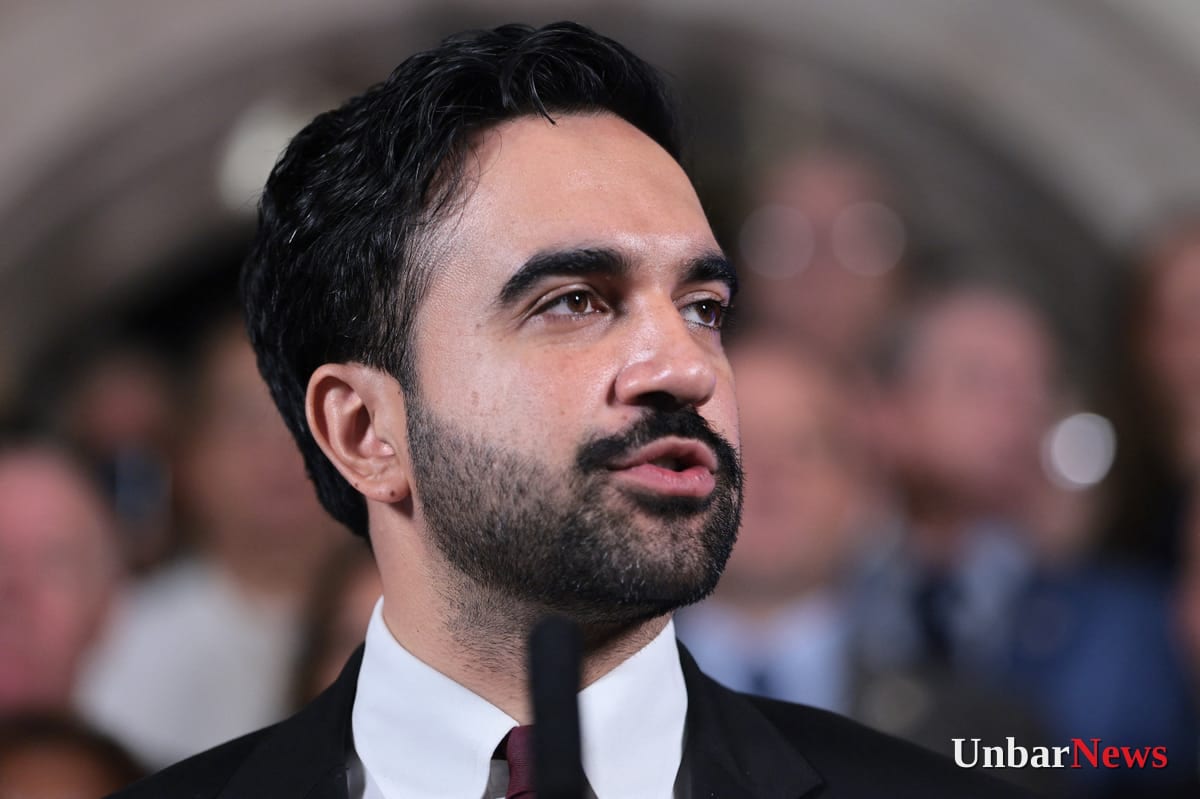
New York, Sept 8 (Al Jazeera) – A trove of scientific records compiled by epidemiologist Dr. Aisha Mamdani has been made public, revealing that officials in the immediate aftermath of the September 11 attacks were aware of hazardous air quality but failed to fully disclose the risks to first‑responders and nearby residents. The mayor of New York City, Eric Adams, responded to the release by stating that the documents prove victims were "lied to" about the long‑term health consequences of the collapse debris, according to Al Jazeera.
The archive includes internal memos, air‑sampling data and correspondence between the city’s Office of Emergency Management and the Environmental Protection Agency (EPA). The files show that measurements taken at Ground Zero in the weeks following the attacks recorded concentrations of asbestos, lead, mercury and a cocktail of fine particulate matter far above federal safety thresholds. Yet public statements at the time emphasized that the air was "safe to breathe" after a brief period of monitoring.
Mamdani’s team says the records also contain medical assessments linking exposure to a surge in respiratory illnesses, cancers and mental‑health disorders among firefighters, police officers and construction workers. The epidemiologist argues that the suppression of this information delayed treatment and compensation for thousands of affected individuals.
Background: The health fallout from the 9/11 dust has been a contentious issue for more than two decades. Early investigations by the EPA and the World Trade Center Health Program concluded that the air was safe after a short cleanup, a stance later challenged by independent researchers and advocacy groups. Subsequent studies have documented elevated rates of asthma, chronic obstructive pulmonary disease and rare cancers among responders, leading to the establishment of a federal health monitoring program in 2002. However, critics argue that the program’s funding and scope have been insufficient, and that many victims still struggle to obtain recognition and benefits.
The mayor’s remarks have reignited calls for a comprehensive review of the city’s emergency response protocols and for greater transparency in environmental health reporting. City officials have not yet responded to requests for comment on the newly released documents.
The release of Mamdani’s records adds fresh pressure on federal and local agencies to reassess the legacy of the 9/11 disaster and to ensure that future crises are handled with full scientific disclosure, a principle that public health experts say is essential for protecting both workers and the public.
This report is based on original reporting by Al Jazeera. Read the original source →