New terminology after 9/11 reshaped the “war on terror” narrative
Al Jazeera examines how the post‑9/11 lexicon cloaked a widening erosion of civil liberties and human‑rights standards.
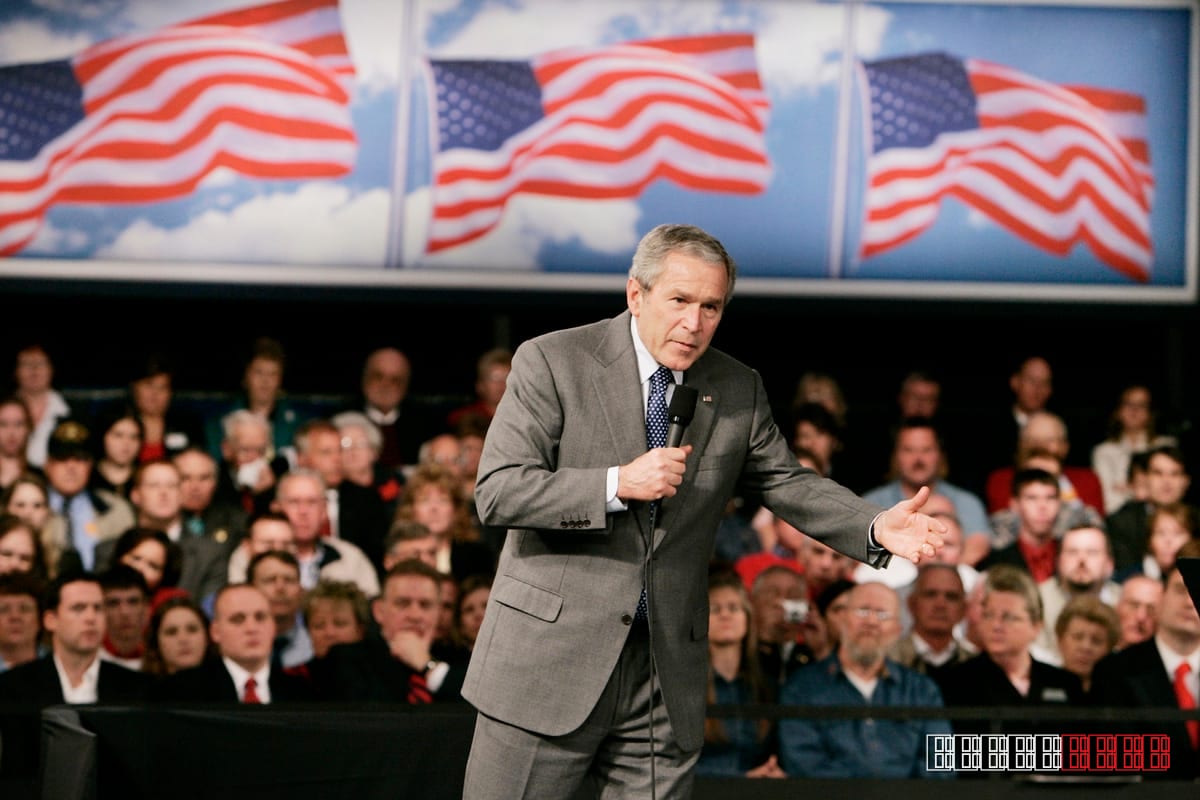
Al Jazeera reports that the September 11, 2001 attacks gave rise to a fresh set of terms – most notably the phrase “war on terror” – that have since been used to justify policies that dilute basic human‑rights protections. The outlet argues that this linguistic shift has effectively sanitized the expansion of state power in the name of security.
The report highlights how officials and media adopted a vocabulary that framed the fight against terrorism as an open‑ended, global conflict. Phrases such as “pre‑emptive strike,” “enhanced interrogation,” and “global war on terror” replaced more precise descriptions of specific incidents, allowing governments to present a broad, often indefinite, campaign as a necessary response to an abstract threat.
Historically, the United States has employed sweeping war metaphors during periods of heightened tension – the “Cold War” and the “Vietnam conflict” being prime examples. However, the immediacy and scale of the 9/11 attacks prompted a pivot toward language that implied a borderless, perpetual battle. This shift made it easier to extend military actions beyond traditional battlefields, justify surveillance programs, and enact legislation such as the Patriot Act without the usual public scrutiny attached to conventional wars.
Scholars cited by Al Jazeera contend that the power of words shapes both policy and public perception. By casting counter‑terrorism measures as part of a righteous “war,” authorities have been able to sidestep debates over due process and international law. The report notes that the terminology has been instrumental in normalising practices like indefinite detention at Guantanamo Bay and the use of drone strikes, which would have faced greater opposition under a different linguistic framing.
The influence of this post‑9/11 lexicon extends beyond the United States. Allied nations have adopted similar rhetoric, integrating it into their own legal frameworks and security strategies. Critics warn that the continued reliance on such language risks entrenching a security paradigm that prioritises state control over individual freedoms, a concern that remains central to ongoing discussions about the balance between safety and liberty in the digital age.
This report is based on original reporting by Al Jazeera. Read the original source →