NGO says Israel’s tactics aim to curb Palestinian life in West Bank
Human‑rights group B’Tselem outlines five methods it says Israel is using to dismantle Palestinian collective existence in the occupied territory.
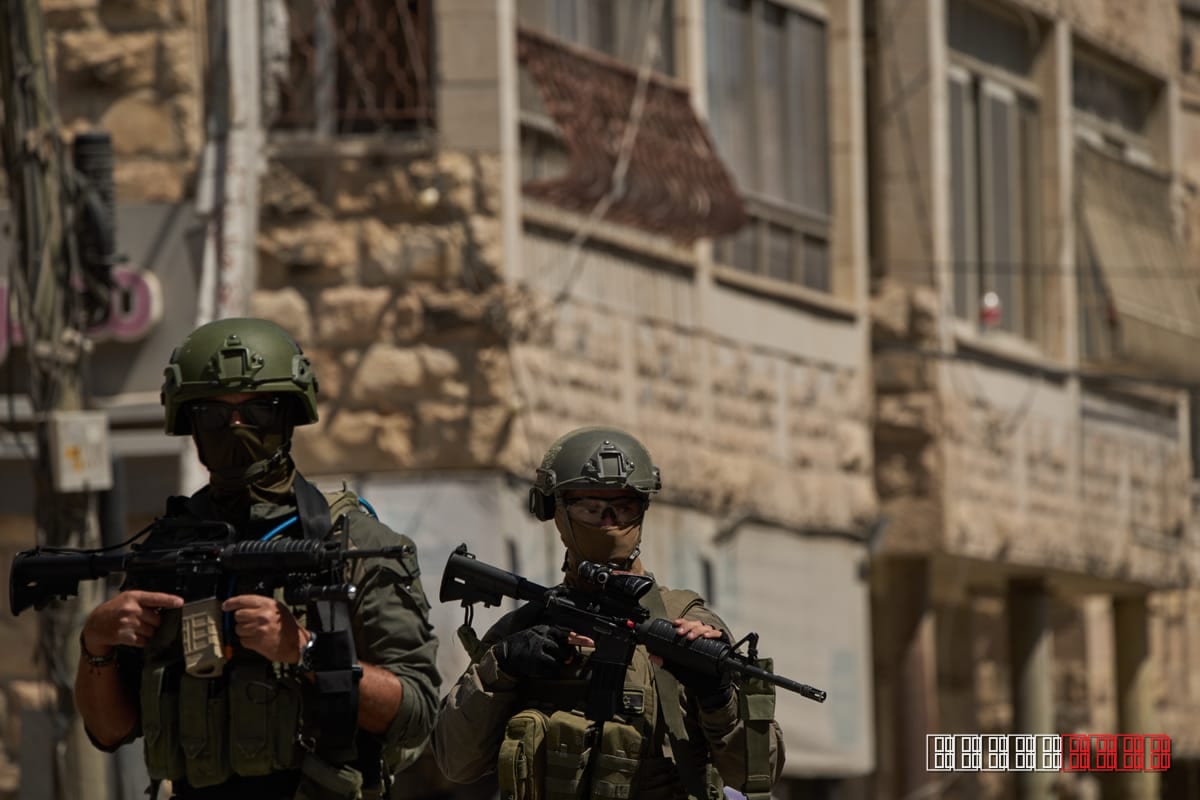
B’Tselem, an Israeli human‑rights organization, has warned that the Israeli government is pursuing a coordinated strategy to diminish the Palestinian presence in the West Bank. According to Al Jazeera, the NGO identified five distinct mechanisms that it says are being employed to erode communal Palestinian life, ranging from the expansion of settlements to restrictions on movement and access to essential resources.
The report highlights how settlement growth continues to encroach on Palestinian villages, often accompanied by demolition orders for homes deemed illegal under Israeli planning rules. In parallel, authorities have increasingly revoked residency permits, making it harder for families to remain in their hometowns. Movement restrictions, such as roadblocks and permit regimes, further isolate communities, while control over water and agricultural land limits economic viability.
B’Tselem’s findings come amid a broader pattern of policy measures that international observers have long criticized as contravening the Fourth Geneva Convention, which prohibits an occupying power from altering the demographic composition of occupied territory. The West Bank has been under Israeli military control since the 1967 Six‑Day War, and successive governments have pursued settlement construction despite repeated UN resolutions calling for a halt.
The implications of these tactics extend beyond the immediate loss of homes and land. Reduced access to water and farmland threatens food security for thousands of Palestinians, while mobility curbs access to education and health services. Human‑rights groups argue that the cumulative effect is a systematic weakening of Palestinian societal structures, potentially reshaping the demographic landscape of the region.
International reaction has been mixed. While some European states have voiced concern and called for renewed diplomatic engagement, others maintain strategic ties with Israel, emphasizing security cooperation. The United Nations has urged all parties to respect international law, but enforcement mechanisms remain limited. As the situation evolves, NGOs like B’Tselem continue to document on‑the‑ground realities, hoping their reports will inform both public opinion and policy decisions.
The West Bank’s future remains a focal point of the Israeli‑Palestinian conflict, with any shift in demographic realities likely to influence any prospective peace negotiations. Monitoring groups stress that sustained international attention is essential to prevent further erosion of Palestinian communal life and to uphold the rights guaranteed under international humanitarian law.
This report is based on original reporting by Al Jazeera. Read the original source →