Oil Prices Surge Past $101 as Gulf Tensions Heighten
Brent crude climbs above $101 per barrel amid rising U.S.-Iran friction and concerns over Hormuz shipping routes.
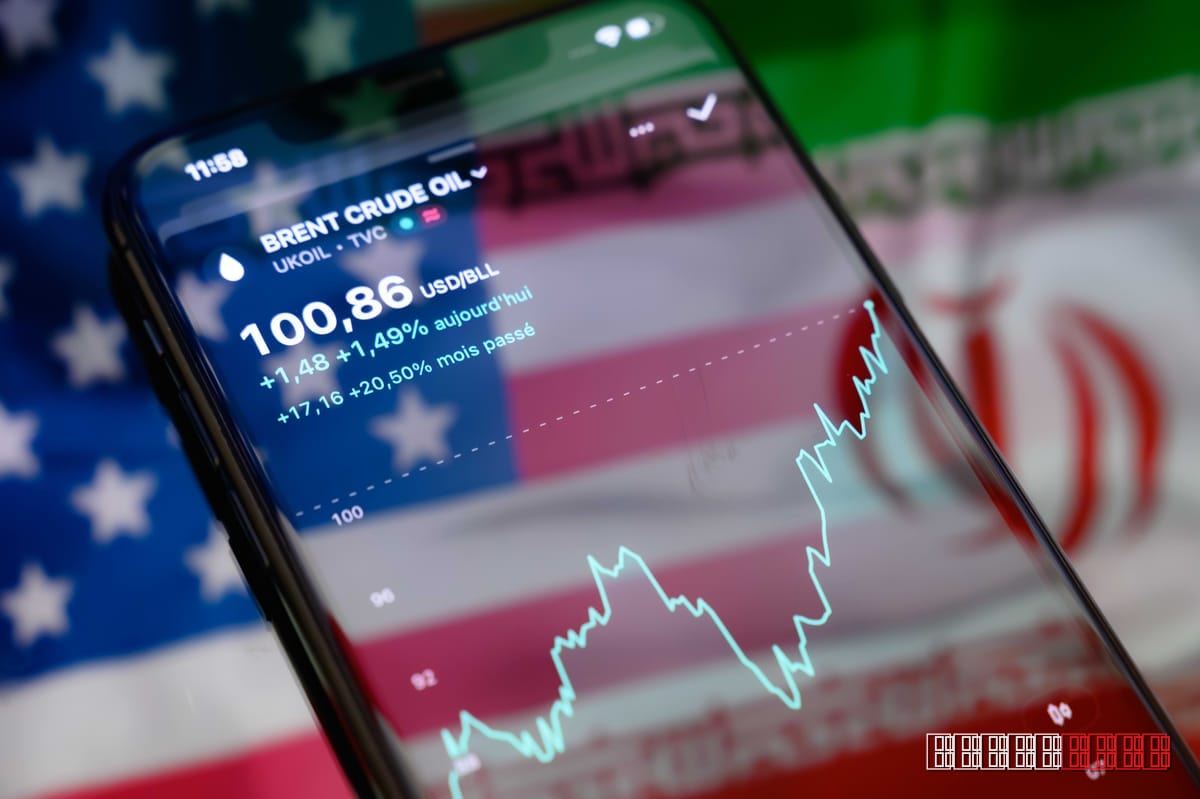
Oil markets pushed higher on Wednesday, with Brent crude breaching the $101‑per‑barrel mark for the first time since July, while U.S. West Texas Intermediate (WTI) also rose, CNBC reported. The rally came as diplomatic strains between Washington and Tehran intensified, prompting traders to price in the risk of further disruptions to the Persian Gulf’s vital oil lanes.
The immediate catalyst was a series of reported attacks on vessels transiting the Strait of Hormuz, a narrow waterway that carries roughly a fifth of the world’s petroleum exports. Iranian forces have threatened to close the strait in response to recent U.S. naval operations, and the uncertainty has spurred a risk‑off sentiment among investors. By late trading, Brent settled at $101.20, while WTI hovered near $96, levels not seen in months.
Historically, the Strait of Hormuz has been a flashpoint for oil price volatility. Even brief closures or threats can trigger sharp price spikes because the chokepoint links major producers such as Saudi Arabia, Iraq and the United Arab Emirates to global markets. In 2022, a brief shutdown after a missile incident sent Brent above $120 before the market steadied. Analysts therefore watch any escalation closely, as supply‑side fears often outweigh short‑term demand considerations.
The broader market context includes a modest recovery in global demand after the pandemic‑induced slump and OPEC+ maintaining production cuts to support prices. However, the current geopolitical risk layer is adding a premium to oil contracts, a pattern seen in previous crises from the 1990‑91 Gulf War to the 2019 drone attacks on Saudi facilities. Energy‑intensive economies, from the United States to Europe and Asia, may feel the impact through higher fuel costs and inflationary pressure if the tension persists.
For traders and policymakers, the key question is whether diplomatic channels can de‑escalate the standoff before it translates into a sustained supply shock. Until then, market participants are likely to keep oil prices buoyed by the prospect of tighter supplies, with Brent and WTI expected to remain volatile as the situation in the Persian Gulf evolves.
This report is based on original reporting by CNBC. Read the original source →