Parliamentary panel debates police response to NEET student protests
BJP and Congress lawmakers clashed over allegations of excessive force used on demonstrators during the July 20 NEET walkout.
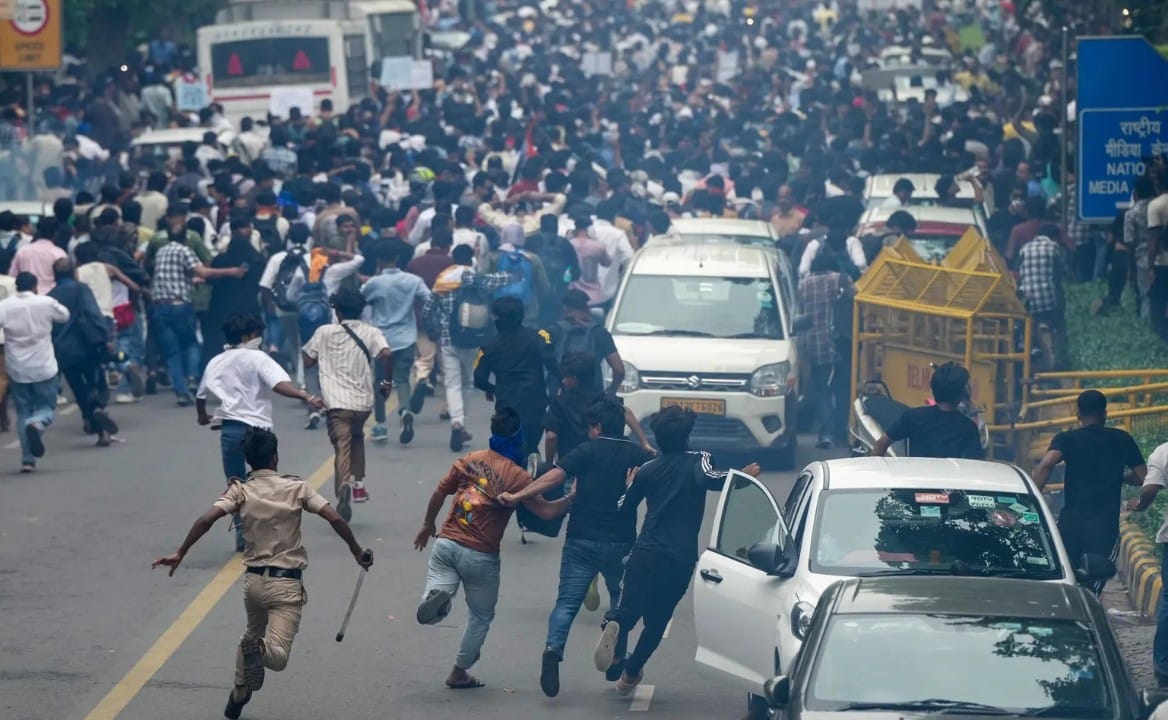
A joint parliamentary panel convened this week to examine the police handling of student demonstrations that erupted on July 20 over the National Eligibility cum Entrance Test (NEET). The meeting quickly turned heated as members of the ruling Bharatiya Janata Party (BJP) and the opposition Indian National Congress exchanged sharp criticisms.
Congress MPs accused the police of employing “unwarranted” force, citing reports of batons, tear‑gas shells and mass arrests of students who had gathered outside examination centres. They argued that such actions violated the right to peaceful protest and called for an independent inquiry. In response, BJP representatives defended the police, asserting that the force was necessary to prevent a potential breakdown of law and order as crowds grew increasingly volatile.
The NEET protest stemmed from long‑standing grievances among aspirants, including concerns over a perceived leak of the question paper, rising examination fees, and the perceived difficulty of the test. On July 20, thousands of candidates staged a coordinated walkout, prompting police to intervene. While officials claim the deployment was proportionate, eyewitness accounts and video footage circulating on social media suggest a more aggressive approach.
During the panel discussion, several lawmakers pressed the Ministry of Home Affairs for a detailed report on the deployment of personnel, the use of crowd‑control equipment, and the criteria for arrests. They also urged the education ministry to address the underlying issues that sparked the protest, emphasizing the need for transparent examination procedures.
The meeting concluded without a consensus on immediate remedial steps, but both parties agreed to forward the matter to a higher committee for further scrutiny. Observers note that the episode underscores the growing tension between student activism and law‑enforcement tactics in India’s education landscape.
Stakeholders await the panel’s final recommendations, which could shape future protocols for handling large‑scale student demonstrations and influence policy reforms related to NEET administration.