Pentagon audit finds Iran’s strikes inflict $184 million damage on U.S. bases and embassies
Iranian attacks across eight nations have crippled U.S. military and diplomatic sites, forcing costly repairs and personnel relocations, Times of India reports.
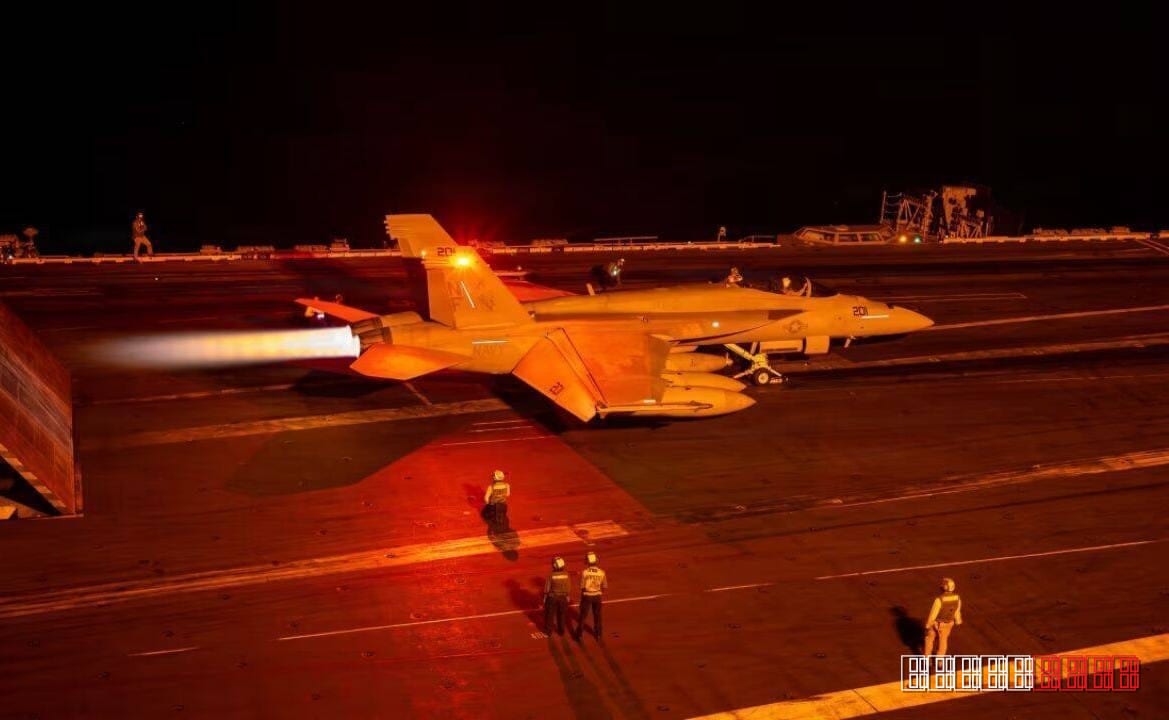
A recent Pentagon audit reveals that coordinated Iranian missile and drone attacks have devastated U.S. military installations and diplomatic missions in eight countries, tallying roughly $184 million in repair costs. The assessment, cited by Times of India, notes that hundreds of structures—from airfields to consular buildings—suffered varying degrees of damage, creating immediate logistical hurdles for American forces stationed abroad.
The destruction has forced the relocation of dozens of service members and civilian staff, disrupting routine operations and stretching supply chains already strained by regional tensions. In several cases, damaged runways and communication hubs have limited the ability of U.S. troops to conduct training and rapid response missions, prompting a scramble for temporary facilities.
The strikes came after the conflict erupted on February 28, when the United States and Israel launched air raids on Iranian positions in response to perceived threats. Iran retaliated with a synchronized barrage aimed at U.S. assets, targeting bases in the Middle East and embassies in locations ranging from Bahrain to Saudi Arabia. Times of India highlighted that the breadth of the attack—spanning eight nations—marks one of the most extensive assaults on American overseas infrastructure in recent decades.
Iran‑U.S. relations have long been marked by mistrust, dating back to the 1979 hostage crisis and punctuated by periodic flare‑ups over nuclear ambitions and regional influence. The latest episode follows a pattern of proxy confrontations and cyber skirmishes, but the physical damage to hard‑line assets is unusually severe. Analysts note that such attacks can trigger a cascade of diplomatic reprisals, potentially prompting the U.S. to reconsider its forward‑deployed posture and to seek multilateral support for reconstruction and security guarantees.
Looking ahead, the Pentagon’s watchdog expects repairs to extend over several months, with cost estimates likely to rise as full assessments are completed. Washington is weighing a mix of diplomatic pressure and calibrated military signaling to deter further aggression, while ensuring the safety of its personnel. The episode underscores how quickly regional conflicts can spill over into broader strategic challenges for the United States and its allies.
This report is based on original reporting by Times of India. Read the original source →