Police Probe Launched After Water Cannon Used on Bhopal Intern Doctors
Authorities in Madhya Pradesh have ordered an investigation following reports that police deployed a water cannon and lathi charge on protesting medical interns demanding higher stipends.
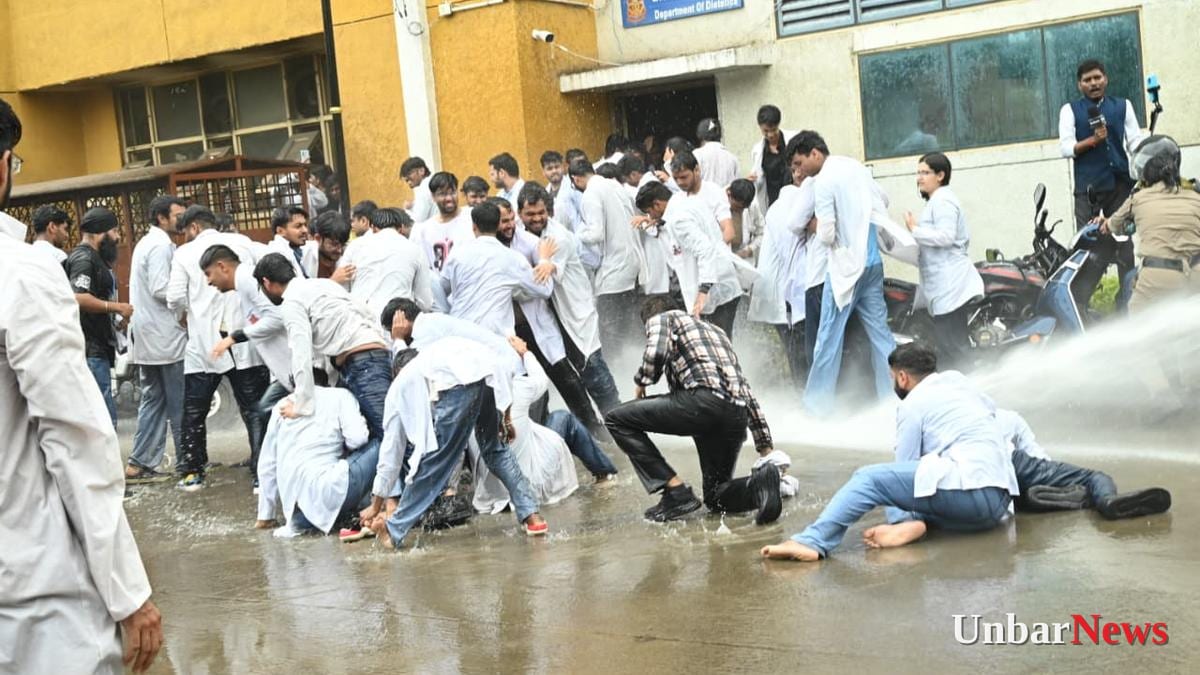
On September 7, hundreds of postgraduate interns at the Government Medical College (GMC) in Bhopal gathered outside their campus to press for a raise in their monthly stipend from the current ₹14,437 to ₹30,000, The Hindu reported. The demonstrators, many of whom are recent medical graduates awaiting permanent positions, set up a sit‑in that lasted several hours and drew attention from local media.
According to the same source, police arrived in riot gear and, after a brief standoff, allegedly resorted to a water‑cannon blast followed by a lathi (baton) charge. Several interns sustained minor injuries and were taken to nearby hospitals for treatment. Witnesses said the force used was disproportionate to the peaceful nature of the protest, prompting calls for accountability.
In response, the Madhya Pradesh state government announced that a probe would be initiated to examine the conduct of the police unit involved. The Home Department issued a statement saying the investigation will be overseen by an independent senior officer and that findings will be submitted within two weeks. Officials also emphasized that maintaining law and order is a priority, but they would not tolerate any excesses.
The demand for higher stipends is not new. Interns across India receive a modest allowance that often fails to cover basic living expenses, especially in metropolitan centers. In recent years, similar protests have erupted in Delhi, Karnataka and Tamil Nadu, where interns have staged sit‑ins, hunger strikes and even threatened to withdraw services. The National Medical Commission has urged state governments to review the remuneration structure, but progress has been slow, leaving many young doctors financially strained.
The current episode underscores a broader tension between the health workforce and state authorities. If the probe uncovers misconduct, it could lead to disciplinary action against the officers and a re‑evaluation of crowd‑control protocols. Conversely, a delayed or inconclusive inquiry might fuel further unrest among medical trainees, potentially affecting the delivery of public health services in a state already grappling with doctor shortages.
This report is based on original reporting by The Hindu. Read the original source →