Raksha Bandhan’s Evolution into a Rs 25,000 Crore Commercial Phenomenon
From a cultural thread celebrated by Tagore to a multi‑billion‑rupee market, Rakhi’s growth reshapes Indian retail each August.
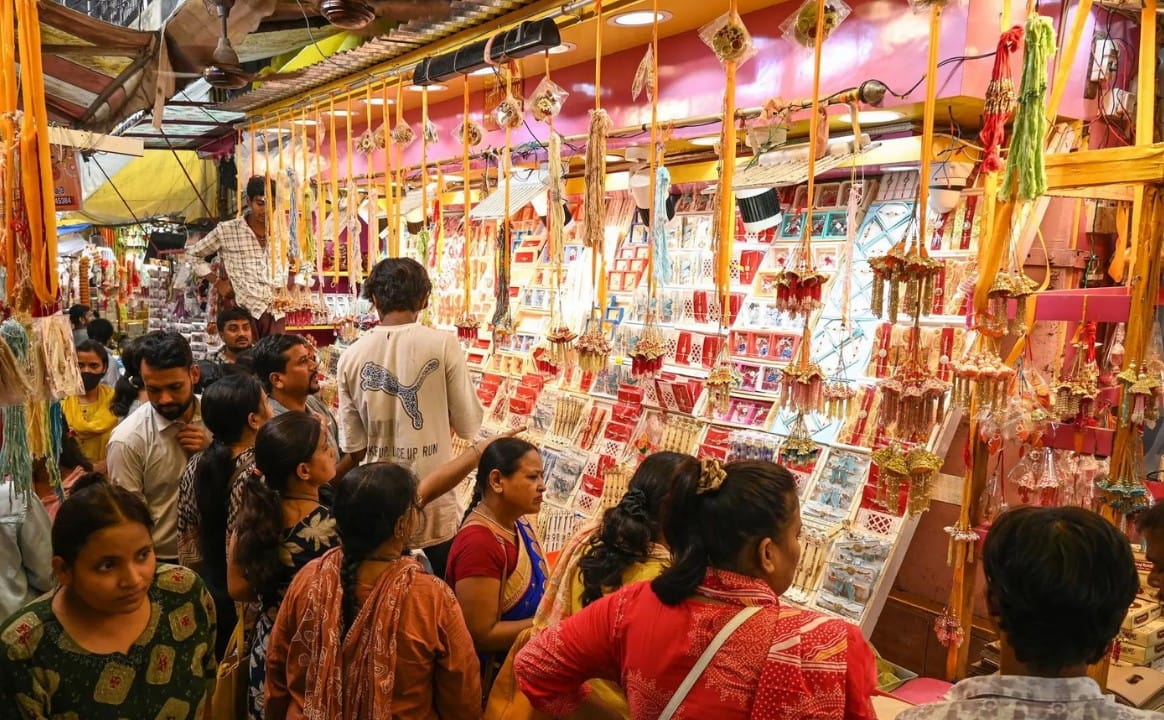
Raksha Bandhan, traditionally a simple ceremony of brothers and sisters exchanging a sacred thread, has transformed into one of India’s biggest seasonal shopping events. While the festival’s mythic origins lie in ancient folklore, the poet Rabindranath Tagore famously invoked the “thread of unity” to highlight its deeper social significance. Over the decades that symbolic motif has been woven into a modern commercial tapestry, driving a market now estimated at roughly Rs 25,000 crore.
Retail analysts point to a confluence of factors that have amplified Rakhi’s buying power. Urban middle‑class families increasingly view the occasion as an opportunity to give premium gifts—ranging from designer sweets and handcrafted jewellery to luxury apparel and tech accessories. Large‑scale chains and small‑scale artisans alike stock special collections weeks in advance, while e‑commerce platforms report traffic spikes that rival other major festivals such as Diwali. The surge in online orders has also spurred logistics firms to expand last‑minute delivery networks, ensuring that parcels reach homes across the country within the narrow window between the festival’s announcement and its celebration.
The commercial boom has not gone unnoticed by policymakers. Government trade bodies regularly publish data on festive‑season turnover, noting that Rakhi’s contribution to the overall retail sector now rivals that of the nation’s most prominent holidays. In response, consumer‑protection agencies have issued guidelines to curb price gouging and ensure product authenticity, especially for high‑value items like gold jewellery and branded clothing.
Beyond the balance sheet, the heightened spending has reshaped cultural practices. Families that once exchanged a simple cotton thread now often include personalized gifts, digital greetings, and curated experiences. Social media platforms amplify these trends, with influencers showcasing elaborate Rakhi gift unboxings that further fuel consumer desire. While the festive spirit remains rooted in sibling affection, the modern marketplace has turned that sentiment into a multi‑crore business engine.
Looking ahead, industry observers expect the Rakhi market to keep expanding as disposable incomes rise and digital penetration deepens. Innovations such as virtual gifting, AI‑driven product recommendations, and sustainable packaging are poised to add new dimensions to the celebration, ensuring that the thread of unity continues to bind both hearts and commerce.