Robotaxi firm May Mobility taps $1.4 B SPAC merger to raise $300 M
The autonomous‑shuttle startup will go public through a special purpose acquisition company, unlocking capital for fleet expansion.
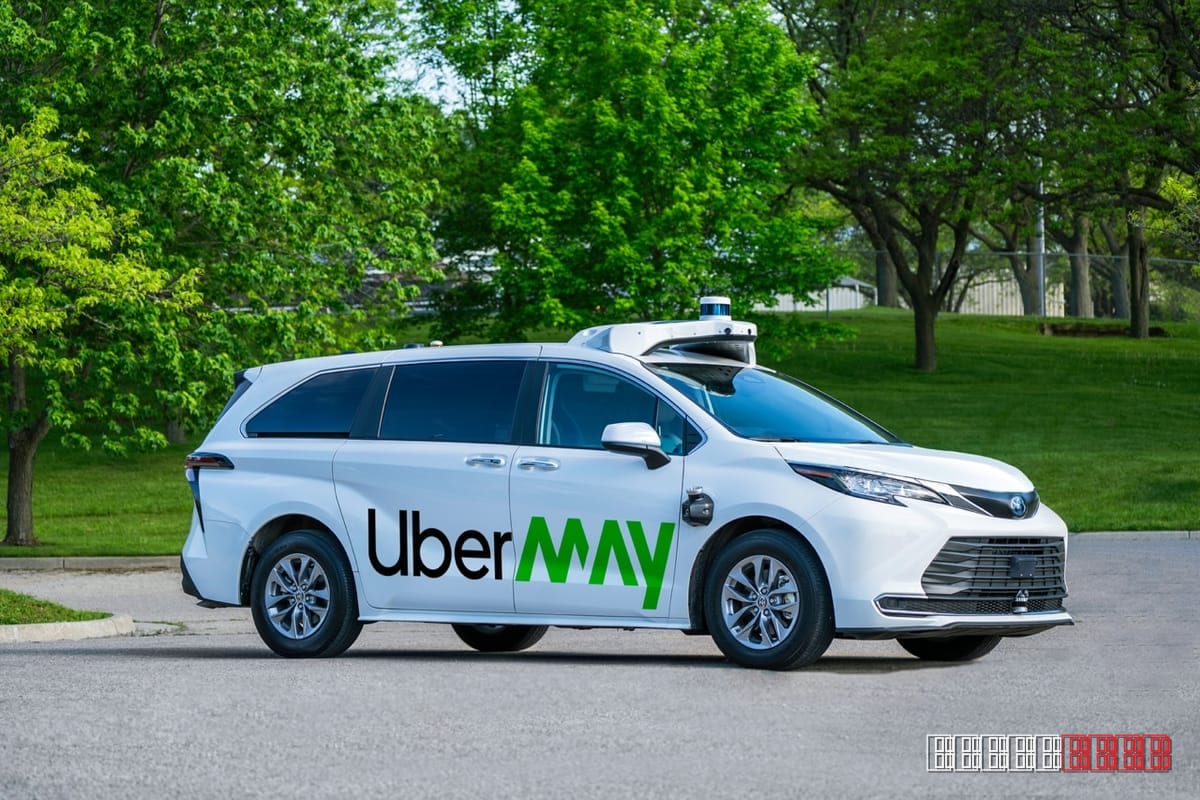
May Mobility, the Chicago‑based provider of low‑speed autonomous shuttles, announced a merger with a special purpose acquisition company (SPAC) valued at $1.4 billion, a move that could bring the company more than $300 million in new financing. TechCrunch reported that the deal will list the firm on a U.S. exchange, giving it public‑market visibility and a sizeable cash cushion to scale its operations.
The merger follows a series of pilot deployments in cities such as Austin, Texas, and Columbus, Ohio, where May Mobility’s 12‑foot, driver‑less vehicles have been ferrying passengers on fixed routes. By consolidating under a SPAC, the company hopes to accelerate the rollout of its robotaxi service to additional municipalities, leveraging the capital to develop higher‑speed models and integrate more sophisticated sensor suites.
Industry analysts note that the autonomous‑vehicle sector has seen a wave of SPAC activity over the past two years, as firms seek quicker access to public funding than traditional IPO routes allow. While many SPAC‑backed projects have struggled to meet lofty growth expectations, May Mobility’s asset‑light model—renting its shuttles to municipalities rather than owning a large fleet—positions it differently. The company’s focus on short‑range, regulated corridors reduces regulatory hurdles compared with full‑speed autonomous taxis.
The $300 million infusion, if realized, would be the largest single capital raise for a robotaxi operator to date. This funding is expected to support the development of a next‑generation vehicle capable of operating at speeds up to 45 mph, expanding the market beyond campus and downtown loops into suburban and peri‑urban routes. It also provides runway for May Mobility to invest in its proprietary software stack, which it claims can reduce operating costs by up to 30 percent versus traditional shuttle services.
The broader impact of May Mobility’s public debut could ripple through the autonomous‑mobility ecosystem. Municipalities that have partnered with the firm may gain access to a more robust service offering, while investors gain a publicly traded entry point into a segment that has largely been dominated by private venture capital. As the SPAC market steadies after a volatile 2024‑2025 period, May Mobility’s successful listing may signal renewed confidence in the commercial viability of robotaxi solutions.
Overall, the transaction marks a pivotal step for May Mobility, moving it from a niche pilot operator to a publicly funded player poised to compete for larger contracts and potentially shape the future of low‑speed autonomous transport in the United States.
This report is based on original reporting by TechCrunch. Read the original source →