Russia's parliamentary vote could gauge public anger over the economy
Analysts say the upcoming State Duma election will test United Russia’s grip as citizens grapple with war‑driven hardship.
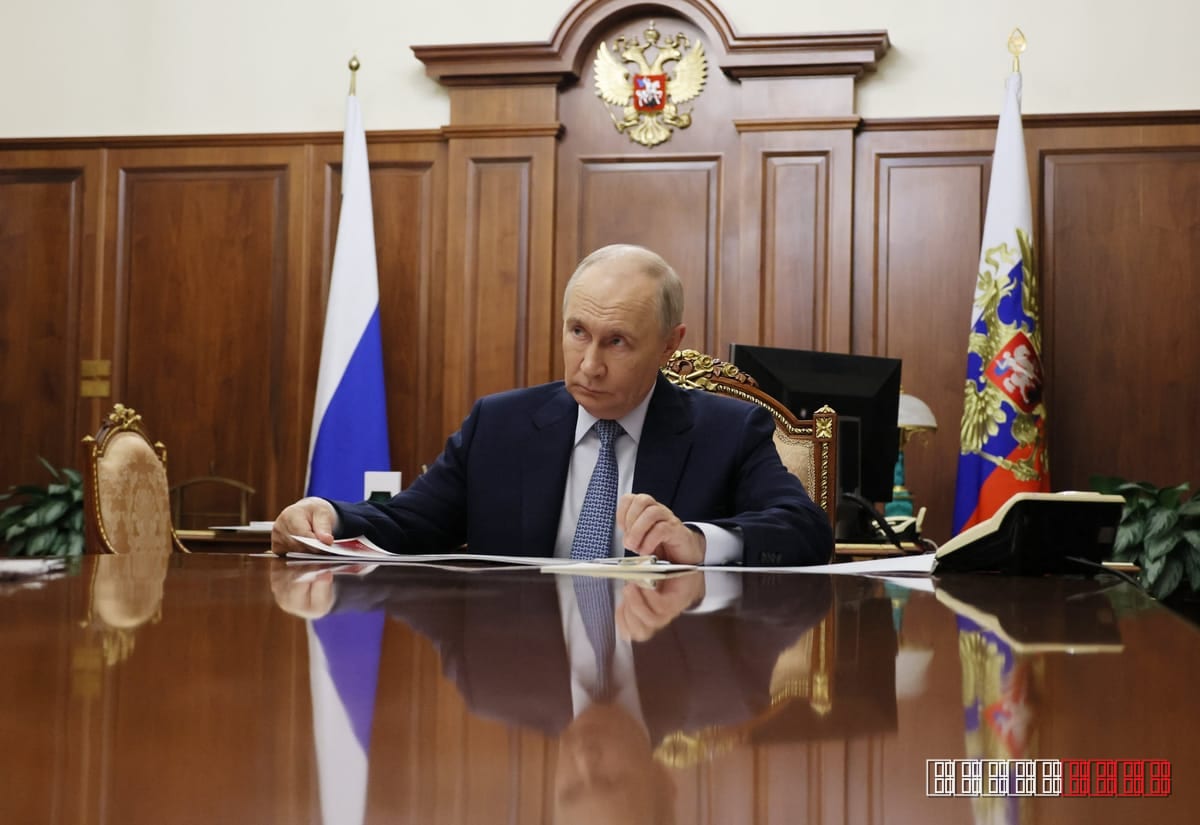
The September 17‑18 State Duma election is set to be a litmus test for President Vladimir Putin’s ruling United Russia party, according to reporting by CNBC. While the party is expected to retain a super‑majority, officials are watching voter turnout and the size of the victory margin for signs of growing dissatisfaction.
Putin has framed the election as a “stress test” for the nation, emphasizing stability amid a war in Ukraine that has strained the economy and isolated Russia from Western markets. CNBC noted that inflation, a shrinking workforce and sanctions have left many Russians feeling the pinch, prompting analysts to wonder whether the ballot will reflect that pain.
Historically, Russian elections have produced predictable outcomes, with United Russia securing over 70 % of seats in every Duma since 2003. However, the 2021 vote saw a modest dip in turnout, and independent observers warned of a “quiet” protest vote. If a similar pattern emerges this cycle, it could signal a subtle shift in public sentiment without overturning the party’s dominance.
The broader context matters for investors and policymakers in the United States. The war in Ukraine has triggered a cascade of sanctions targeting Russian banks, energy firms and high‑tech exporters, while also prompting a re‑routing of European energy supplies. Those disruptions have fed back into global commodity prices and have forced U.S. companies to reassess supply‑chain risks in the region. A weaker United Russia showing could embolden Western governments to maintain pressure, whereas a decisive win might reinforce Moscow’s resolve to push back against sanctions.
Economists also point to demographic challenges that compound the economic strain. A declining birth rate and a brain‑drain of skilled workers have reduced the domestic consumer base, limiting growth prospects even before the war began. The upcoming vote, therefore, is not just a political barometer but also an indicator of how resilient the Russian economy can be under sustained external and internal pressures.
Regardless of the outcome, the election will likely be used by Kremlin officials to claim legitimacy and to justify further economic measures. Observers will be parsing every precinct report for clues about the depth of public frustration, a factor that could shape Moscow’s domestic policy and its foreign posture for years to come.
This report is based on original reporting by CNBC. Read the original source →