Senate Clears Protect College Sports Act, Yet Its Path Forward Remains Uncertain
The measure, backed by the NCAA, aims to curb escalating lawsuits over athlete eligibility and compensation, but it still faces hurdles before becoming law.
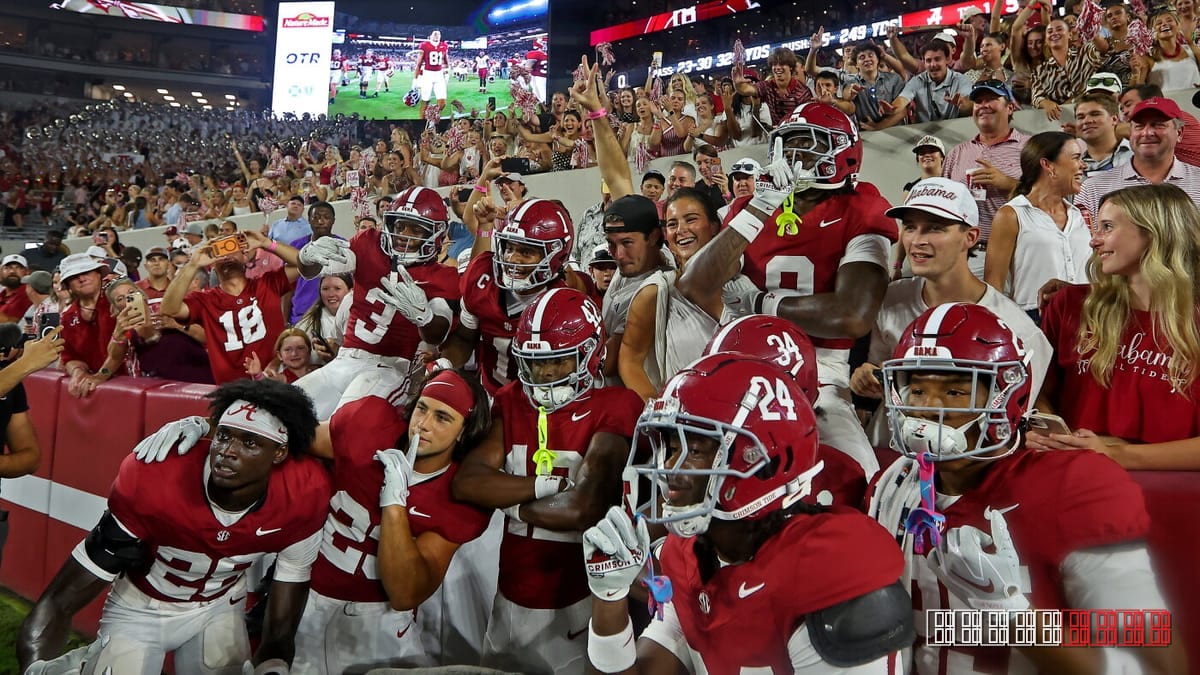
The U.S. Senate voted to approve the Protect College Sports Act on Thursday, moving the legislation one step closer to the President’s desk, NPR reported. The bipartisan vote cleared the bill from the upper chamber, but its ultimate fate now hinges on the House of Representatives and potential executive action.
The act is designed to reinforce long‑standing NCAA regulations by limiting the scope of future lawsuits that challenge rules on player eligibility, transfer procedures and compensation. Proponents argue that a surge of legal challenges has created a “Wild West” environment in college athletics, threatening the stability of existing frameworks. By establishing clearer boundaries, the legislation seeks to protect both institutions and student‑athletes from costly, protracted litigation.
Support for the bill comes from a coalition that includes the NCAA, which contends that the current legal climate undermines the predictability needed to run intercollegiate programs. The organization highlighted recent court cases that have eroded traditional eligibility standards and allowed unprecedented player movement, describing the situation as chaotic. According to NPR, the NCAA believes the act will restore order and preserve the amateur model that underpins college sports.
The Protect College Sports Act arrives amid a broader transformation of the collegiate athletic landscape. Over the past few years, landmark rulings—most notably the Supreme Court’s 2021 decision affirming athletes’ rights to profit from their name, image and likeness (NIL)—have upended long‑held doctrines. Simultaneously, a wave of transfer‑portal lawsuits has challenged the NCAA’s “one‑time transfer” rule, prompting schools to reassess scholarship commitments and roster management. These developments have prompted lawmakers to consider federal intervention to provide a uniform regulatory baseline.
Despite clearing the Senate, the bill’s trajectory is far from guaranteed. The House Judiciary Committee has yet to schedule a hearing, and several members have expressed concerns about federal overreach into a domain traditionally governed by the NCAA and individual institutions. Additionally, the President’s stance on the legislation remains unclear, leaving open the possibility of a veto. As NPR noted, the uncertainty surrounding the next steps means the act’s impact on student‑athletes and colleges could be delayed or altered.
If enacted, the Protect College Sports Act could streamline dispute resolution and limit the proliferation of lawsuits that currently burden athletic departments. Critics warn, however, that restricting legal challenges may also shield questionable practices from scrutiny, potentially affecting athletes’ rights to fair compensation and mobility. The coming weeks will reveal whether the legislation can bridge the divide between preserving the historic college sports model and adapting to the evolving legal and economic realities of modern athletics.
This report is based on original reporting by NPR. Read the original source →