Trump moves to scrap $810 million in approved federal funds, sparking legal concerns
The president’s directive to halt $810 million in congressional appropriations has drawn criticism from Republican lawmakers who question its legality.
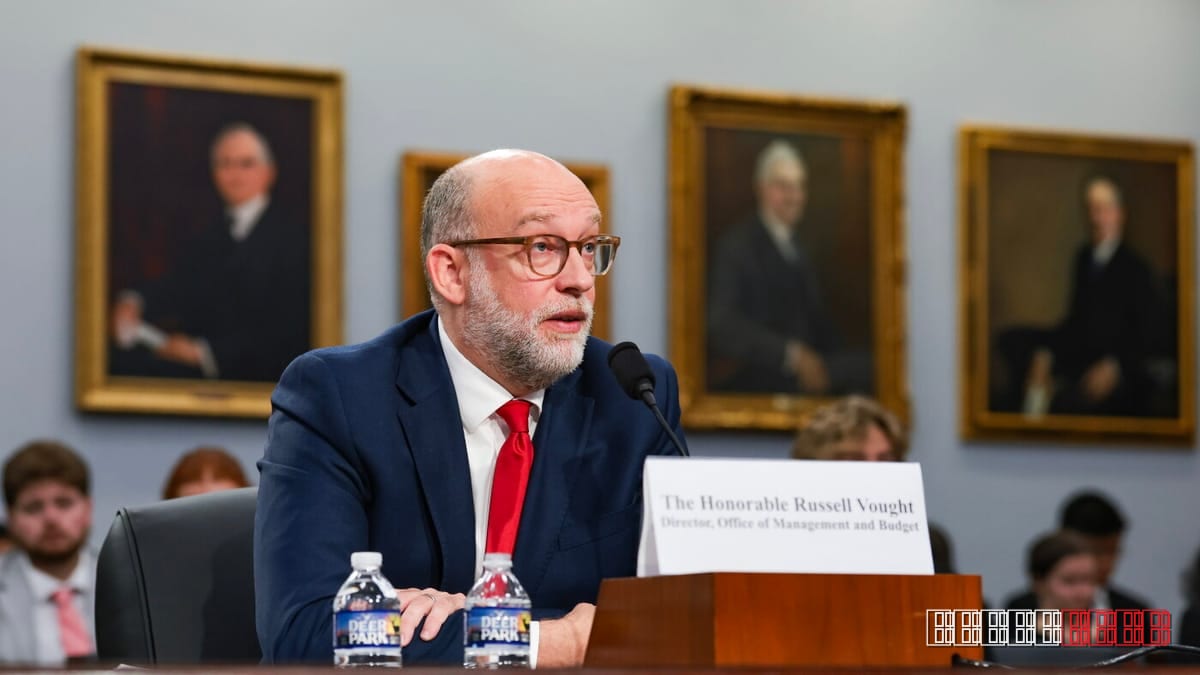
President Donald Trump announced a directive to eliminate $810 million in spending that Congress had already approved, according to NPR. The cancellation targets a bundle of appropriations that were slated for a variety of federal programs, ranging from infrastructure improvements to research initiatives.
The move has been met with immediate pushback from members of the Republican Party who argue that the president lacks the authority to unilaterally rescind funds that have passed both chambers of Congress. Several GOP lawmakers have publicly labeled the action as potentially illegal, citing the constitutional separation of powers and the Antideficiency Act, which prohibits the government from spending more than what Congress has authorized.
NPR reported that the administration’s decision bypasses the normal legislative process, which typically requires any alteration to appropriated money to be approved by Congress through a new bill or amendment. Critics contend that by canceling the spending without congressional consent, the executive branch may be overstepping its constitutional limits, opening the door to legal challenges that could end up in the courts.
Historically, presidents have occasionally sought to reallocate or defer spending, but outright cancellation of appropriated funds is rare and often contested. The Antideficiency Act, enacted in 1884, was designed to prevent exactly this kind of executive overreach. Past administrations have faced lawsuits when they attempted similar cuts, and courts have generally upheld Congress’s exclusive power of the purse. The current controversy therefore revives a long‑standing debate over the balance of fiscal authority between Washington’s two branches.
Looking ahead, congressional leaders are expected to draft a response, potentially introducing legislation to restore the cancelled funds or to clarify the limits of presidential spending authority. Legal scholars anticipate that any challenge will focus on whether the president’s action violates the Antideficiency Act and the Constitution’s appropriations clause. The outcome could set a precedent affecting future executive attempts to modify budgetary decisions without legislative approval, influencing everything from defense spending to domestic grant programs.
The $810 million figure, while modest compared with the federal budget’s overall scale, underscores the political stakes of even relatively small appropriations. Stakeholders ranging from state officials to nonprofit organizations that rely on federal grants may feel the impact of the cancellation, prompting a broader discussion about how budgetary disputes reverberate through local communities.
This report is based on original reporting by NPR. Read the original source →