Singapore Prime Minister Lawrence Wong to Earn S$3.6 million after 64% Raise
The new pay package makes Wong the world’s highest‑paid political leader, sparking debate over Singapore’s compensation model.
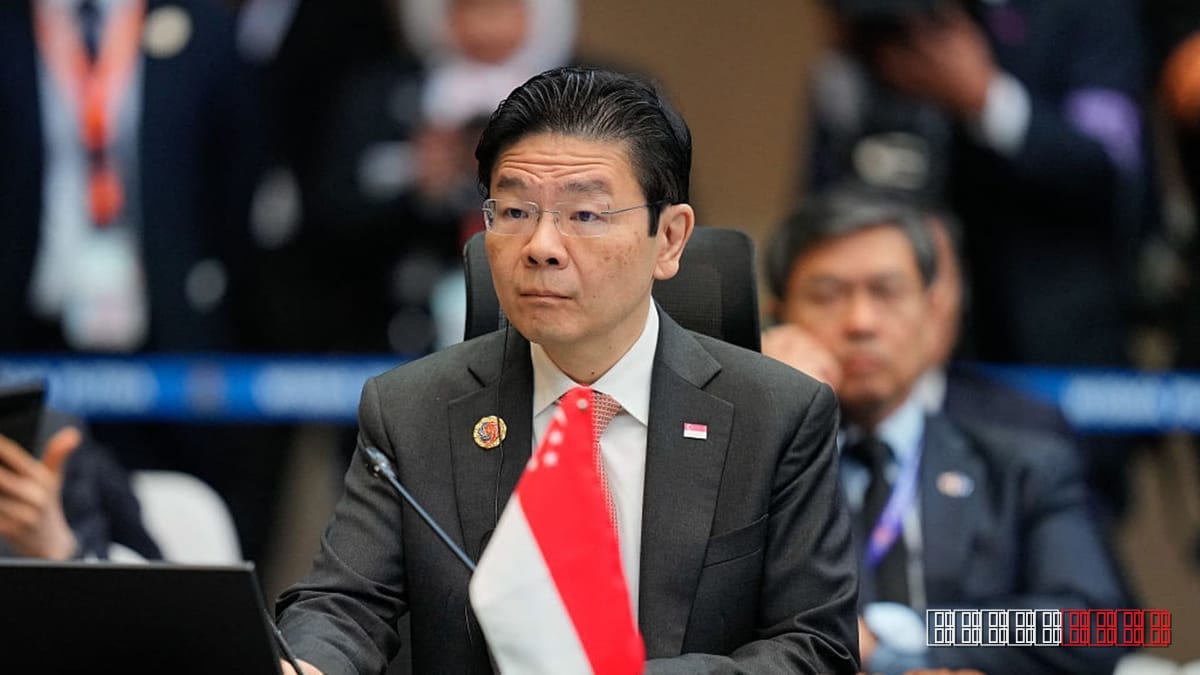
Singapore’s prime minister, Lawrence Wong, will see his annual remuneration jump to roughly S$3.6 million, a 64 percent increase from the current level, according to CNBC. The adjustment marks the first upward revision of ministerial salaries in 15 years and positions Wong at the top of global leader compensation charts.
The rise is part of a broader review of the country’s civil service pay structure, which ties salaries to a formula that reflects economic performance, cost of living and benchmarks against private‑sector earnings. Under the existing system, the prime minister’s salary has long been tied to a “benchmark” that includes the median income of top earners in Singapore’s private sector, a method intended to attract talent while discouraging corruption.
Wong’s new package translates to about US$2.6 million, eclipsing the earnings of other heads of state such as the U.S. president, whose salary stands at US$400,000. The increase also widens the gap between Singapore’s political leaders and many of their regional counterparts, where ministerial pay is typically lower and often subject to caps.
Critics argue that the hike could fuel public discontent, especially as Singapore grapples with rising living costs and a slowdown in wage growth for ordinary workers. Supporters, however, contend that the transparent, performance‑linked model has helped maintain low levels of corruption and ensures that top officials remain motivated to drive economic growth.
The move comes at a time when Singapore is navigating a post‑pandemic recovery, with the government focusing on innovation, digital transformation, and strengthening its position as a global financial hub. By aligning political remuneration with private‑sector benchmarks, policymakers hope to sustain confidence among investors and maintain the city‑state’s reputation for meritocratic governance.
While the salary boost is set to take effect later this year, the public debate it has ignited underscores the delicate balance Singapore must strike between rewarding leadership and addressing broader socioeconomic concerns.
This report is based on original reporting by CNBC. Read the original source →