South Korean Delegates Call Nagoya Athlete Villages Substandard
Officials say the housing shortfall at the 2026 Asian Games is the most severe in the event’s history, blaming limited resources and planning gaps.
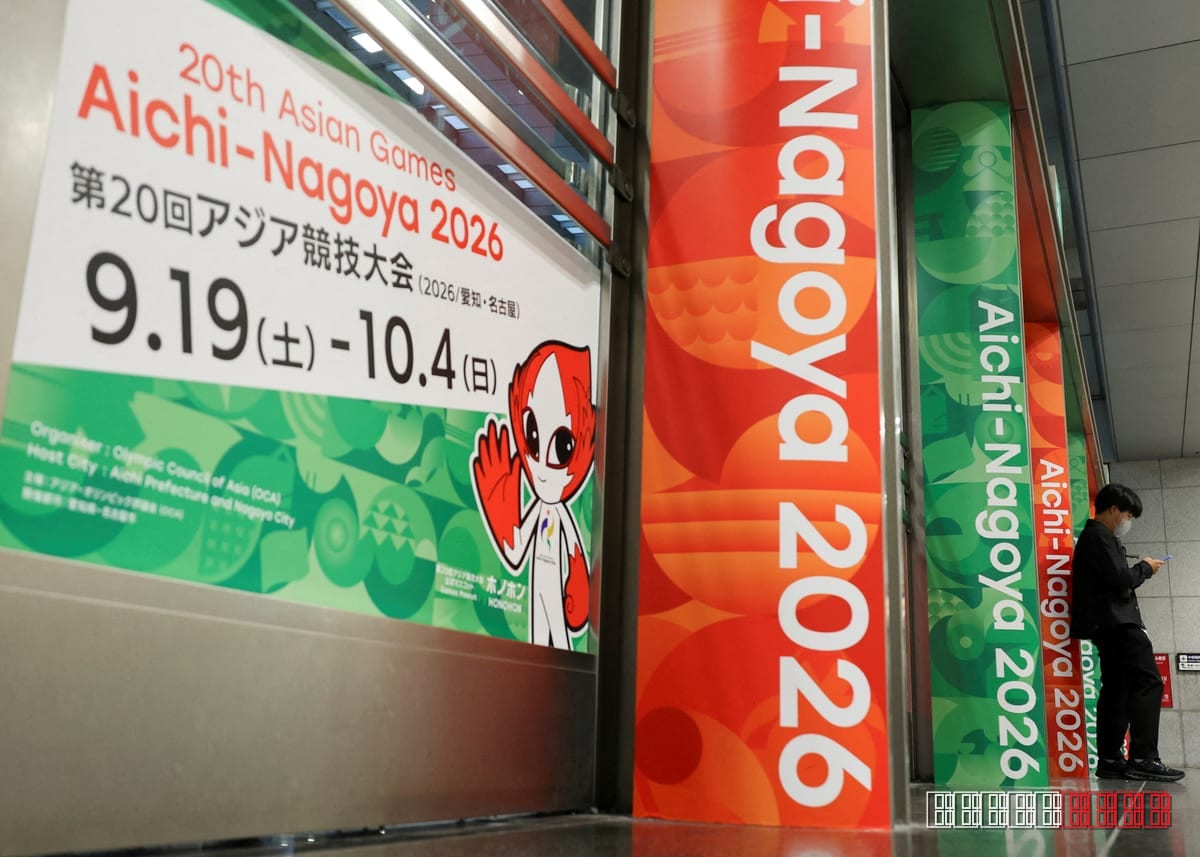
South Korean sports officials have publicly condemned the living conditions provided to athletes at the 2026 Asian Games in Nagoya, labeling the situation as the "worst ever" for the multi‑sport event. Al Jazeera reported that team leaders described cramped rooms, inadequate sanitation and insufficient heating as major concerns that could affect performance and morale.
Japanese organisers responded that the shortfall stemmed from a combination of staffing constraints and a restricted budget. According to Al Jazeera, the local committee said it lacked both the manpower and the financial flexibility needed to expand or upgrade the athlete villages in time for the opening ceremony.
The criticism arrives as the Games enter their second week, with more than 10,000 competitors from 45 nations converging on the Aichi prefecture. The accommodation issue has forced several delegations to seek off‑site hotels, adding logistical complexity and increasing costs for national Olympic committees already facing tight funding.
The Asian Games, held every four years, are second only to the Olympics in scale and prestige within the continent. Historically, host cities have built dedicated villages that later convert into residential housing. However, the 2026 edition has been plagued by construction delays and rising material costs, echoing challenges seen at the 2022 Hangzhou Games where transport bottlenecks prompted similar complaints. Experts note that the growing size of the event, combined with post‑pandemic budget pressures, has strained traditional hosting models.
For South Korean athletes, the housing dilemma could have tangible consequences. Sports psychologists warn that sub‑par living environments can impair sleep quality, recovery and focus, potentially influencing medal outcomes. The Korean Olympic Committee has urged the Japanese authorities to expedite remedial measures, while also preparing contingency plans for its remaining competitors.
The situation highlights a broader debate about the sustainability of large‑scale sporting events in an era of fiscal austerity. As host cities grapple with legacy use of facilities and community impact, the Nagoya Games may become a case study for future bids, prompting a reassessment of how athlete welfare is integrated into budgeting and planning processes.
This report is based on original reporting by Al Jazeera. Read the original source →