Spain's Sahrawi Naturalisation Bill Stirs Diplomatic Tension with Morocco
Madrid's new law granting citizenship to Sahrawi refugees has prompted a sharp rebuke from Rabat, highlighting lingering colonial legacies.
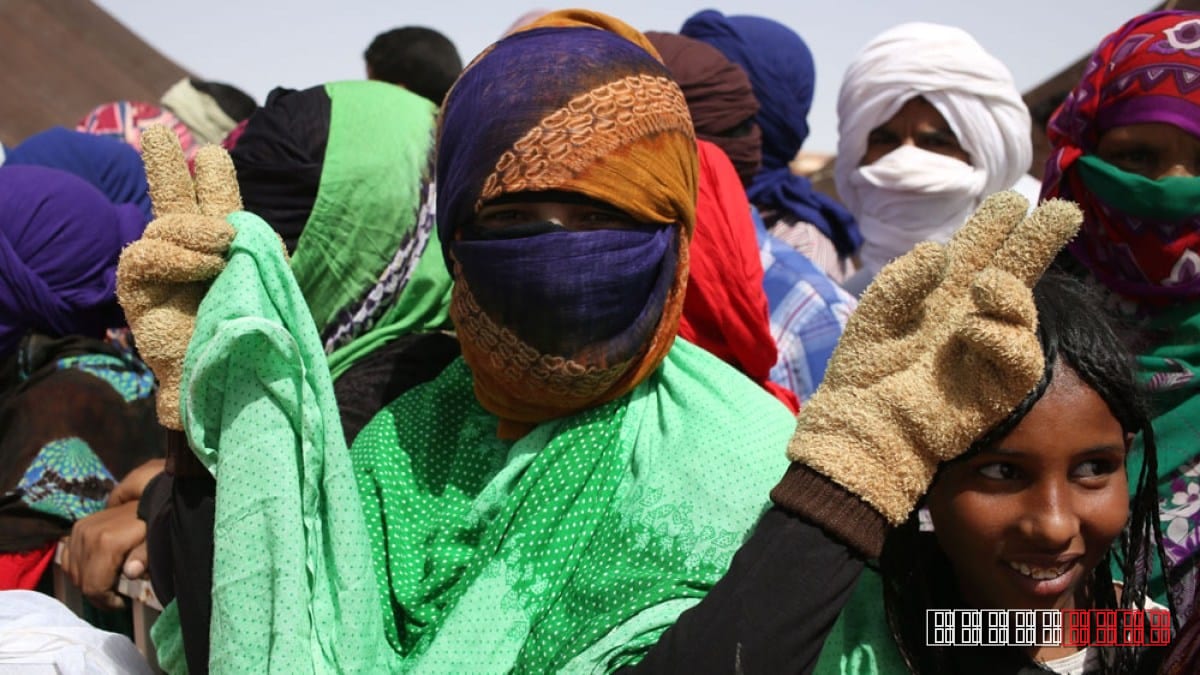
Spain’s lower house approved a bill on September 12 that will allow Sahrawi refugees who arrived before 2021 to apply for Spanish citizenship, Al Jazeera reported. The legislation sets a five‑year window for applications and promises full civil rights, including the right to work and travel within the EU. Officials say the move aims to resolve a long‑standing legal limbo for thousands of displaced Western Sahara residents living in Spanish cities such as Madrid and Barcelona.
Morocco’s foreign ministry condemned the measure, calling it an “unacceptable interference” in the disputed status of Western Sahara. Rabat warned that the law could jeopardise the “excellent” bilateral cooperation that Spain enjoys with Morocco on migration control, counter‑terrorism and energy projects, according to Al Jazeera. The Moroccan ambassador in Madrid summoned Spanish officials for a formal protest, underscoring how the issue has quickly moved from a domestic policy matter to a diplomatic flashpoint.
The Sahrawi question dates back to Spain’s decolonisation of Western Sahara in 1975. After Spain withdrew, Morocco and Mauritania moved to annex the territory, prompting the Polisario Front to declare the Sahrawi Arab Democratic Republic and launch a guerrilla war. The United Nations has since labelled Western Sahara a non‑self‑governing territory, and a cease‑fire has held since 1991, but a final status settlement remains elusive. Spain, as the former colonial power, retains a unique legal and moral responsibility toward the Sahrawi diaspora, many of whom fled conflict and have lived in Spain for decades.
The timing of the law is significant. Spain is navigating a fragile coalition government that faces pressure to address migration flows from Africa, while also courting Morocco as a key partner in securing the Strait of Gibraltar and the EU’s southern border. The citizenship bill could be seen as a domestic humanitarian gesture, but it also risks complicating negotiations on a new fisheries agreement and a proposed joint renewable‑energy hub in the Mediterranean.
Analysts warn that the dispute may spill over into other arenas, such as Spain’s participation in EU‑Morocco trade talks and the upcoming European Parliament elections, where both Madrid and Rabat are keen to showcase stability. While the law offers a concrete path to legal status for Sahrawi families, it also serves as a reminder that colonial histories continue to shape contemporary foreign policy in the region.
This report is based on original reporting by Al Jazeera. Read the original source →