Su Venkatesan stresses literature’s edge over recorded history
The former IAS officer and MP argues that storytelling shapes society more profoundly than factual chronologies.
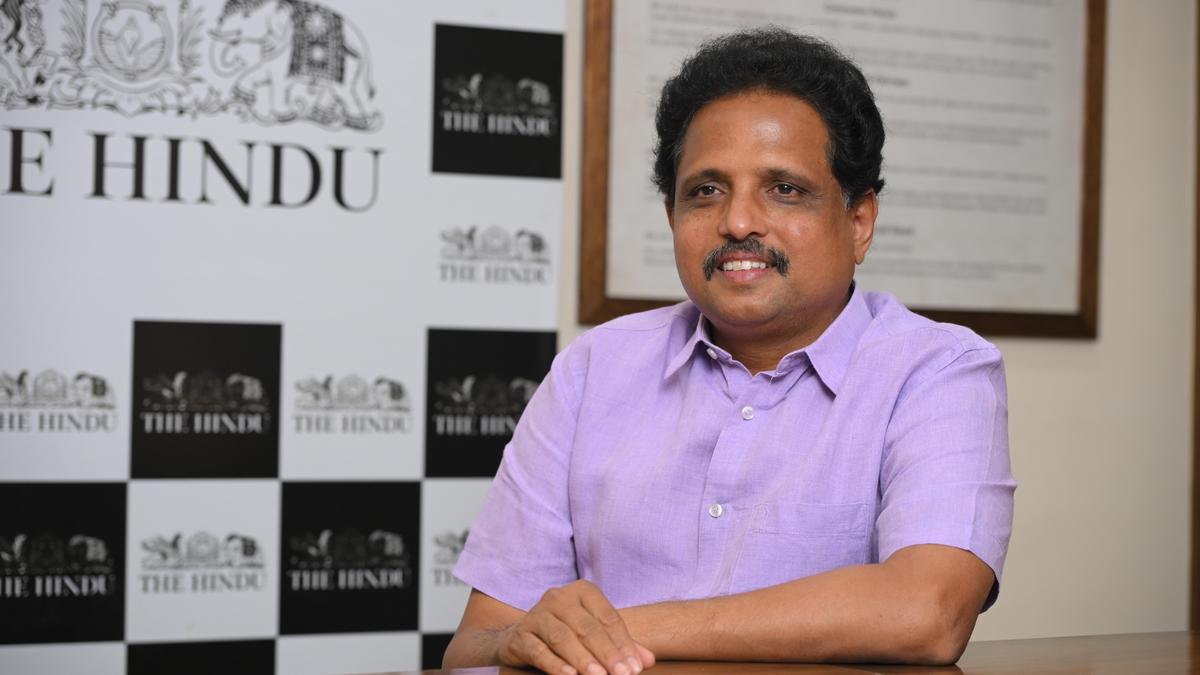
Su. Venkatesan, a former Indian Administrative Service officer turned novelist and Member of Parliament from Tamil Nadu, recently emphasized that literature wields greater influence than history. Speaking at a literary conference in Chennai, he noted that while history records events, literature imagines possibilities, molds attitudes and can alter the trajectory of a community.
Venkatesan’s own career mirrors his belief. After two decades in the civil service, during which he oversaw development projects across the state, he turned to writing. His novels, written in Tamil, explore themes of social justice, caste dynamics and the everyday lives of marginalized groups. Critics have praised his ability to blend vivid narrative with incisive social commentary, a blend he says is essential for any lasting cultural impact.
According to Venkatesan, history is often curated by those in power, presenting a selective view of the past. Literature, by contrast, offers a platform for voices that history may have silenced. “Stories travel across generations, they become part of collective memory, and they can inspire action,” he explained. He cited classic works such as Ponniyin Selvan and contemporary novels that have sparked public debate on policy and identity.
The MP also highlighted the role of education. He urged schools to integrate more regional literature into curricula, arguing that exposure to diverse narratives builds empathy and critical thinking. In his view, a society that reads widely is better equipped to question official narratives and to envision alternative futures.
Venkatesan’s remarks come at a time when debates over historical reinterpretation dominate Indian public discourse. While committees revisit monuments and textbooks, he warns that without the imaginative power of literature, such revisions may remain superficial. By championing storytelling, he hopes to foster a more nuanced understanding of the past that can guide present‑day decision‑making.
The discussion underscores a broader conversation about the balance between preserving factual records and nurturing creative expression. For Venkatesan, the two are not mutually exclusive, but literature’s capacity to move hearts makes it an indispensable tool for societal transformation.