Supreme Court to Review Call for Uniform Election Manifesto Format
The apex court has agreed to hear a petition urging the Ministry of Law and Justice to mandate a standard template for political party manifestos.
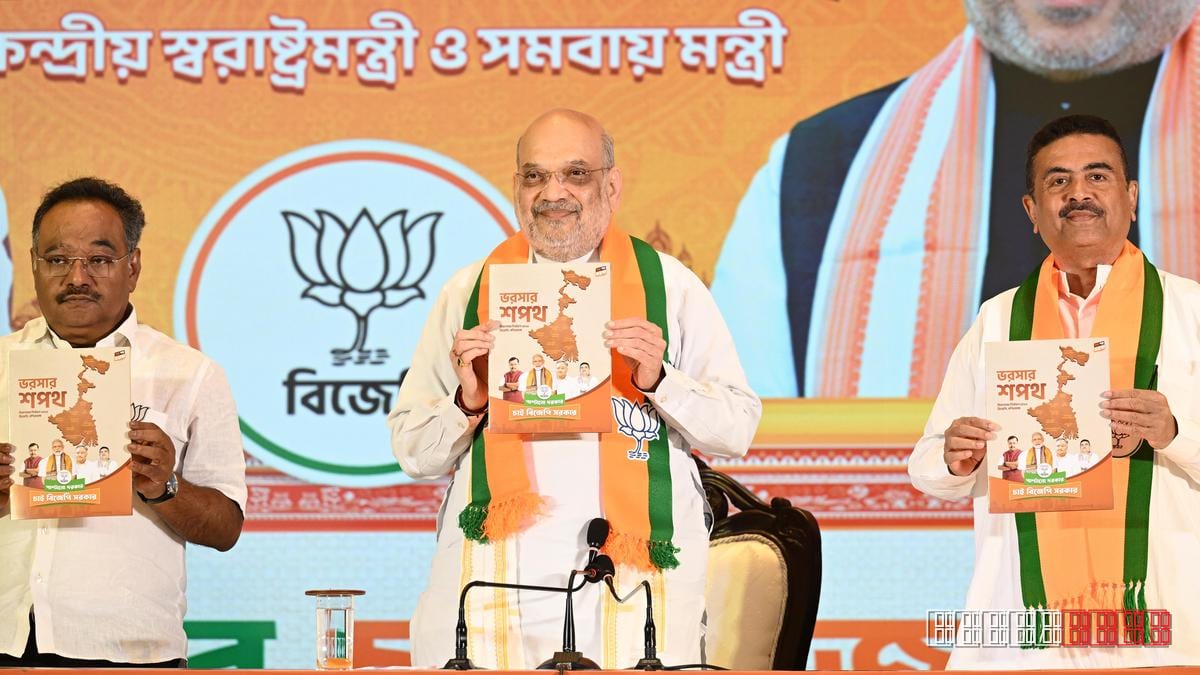
The Supreme Court has granted a hearing on a petition that asks the Ministry of Law and Justice to prescribe a uniform format for election manifestos, according to The Hindu. The petition, filed in 2022 by a petitioner‑advocate, seeks a judicial direction that would make political parties answerable for the rationality and feasibility of the promises they publish during campaigns.
The core of the plea is a request for a statutory framework that would compel parties to present their pledges in a consistent, comparable manner. The petitioner argues that without such a standard, voters are left to navigate a patchwork of vague or contradictory statements, making it difficult to hold parties accountable after elections. The filing specifically asks the court to direct the Ministry of Law and Justice to draft guidelines that define essential elements of a manifesto, such as measurable targets, time‑frames and financial estimates.
India’s election manifestos have long been a point of contention. While parties routinely release extensive documents outlining policy goals, there is no legal requirement for a particular structure or level of detail. Past elections have seen promises ranging from infrastructure projects to social welfare schemes, many of which remain unfulfilled or are later re‑interpreted. The Supreme Court has previously intervened in electoral matters, notably in 2019 when it ordered the Election Commission to enforce stricter compliance with the Model Code of Conduct. However, the issue of manifesto standardisation has remained largely unaddressed, prompting civil‑society lawyers to turn to the judiciary.
If the court issues a directive, it could reshape how parties campaign and how voters assess them. A standardized format would allow for side‑by‑side comparison of promises, potentially increasing transparency and pressuring parties to back their statements with realistic budgeting. Critics warn that imposing a rigid template might infringe on political freedom of expression, but supporters contend that the benefits of informed voting outweigh such concerns.
The hearing is set for the coming weeks, and legal experts anticipate that the bench will examine both constitutional provisions on free speech and the public’s right to information. Regardless of the outcome, the case underscores a growing demand for electoral reforms that align political rhetoric with accountable governance.
This report is based on original reporting by The Hindu. Read the original source →