Tatyana Ali channels personal birth trauma into campaign for Black and Indigenous maternal care
The actress says her own difficult delivery has motivated her to champion midwives, doulas and broader reforms for underserved mothers.
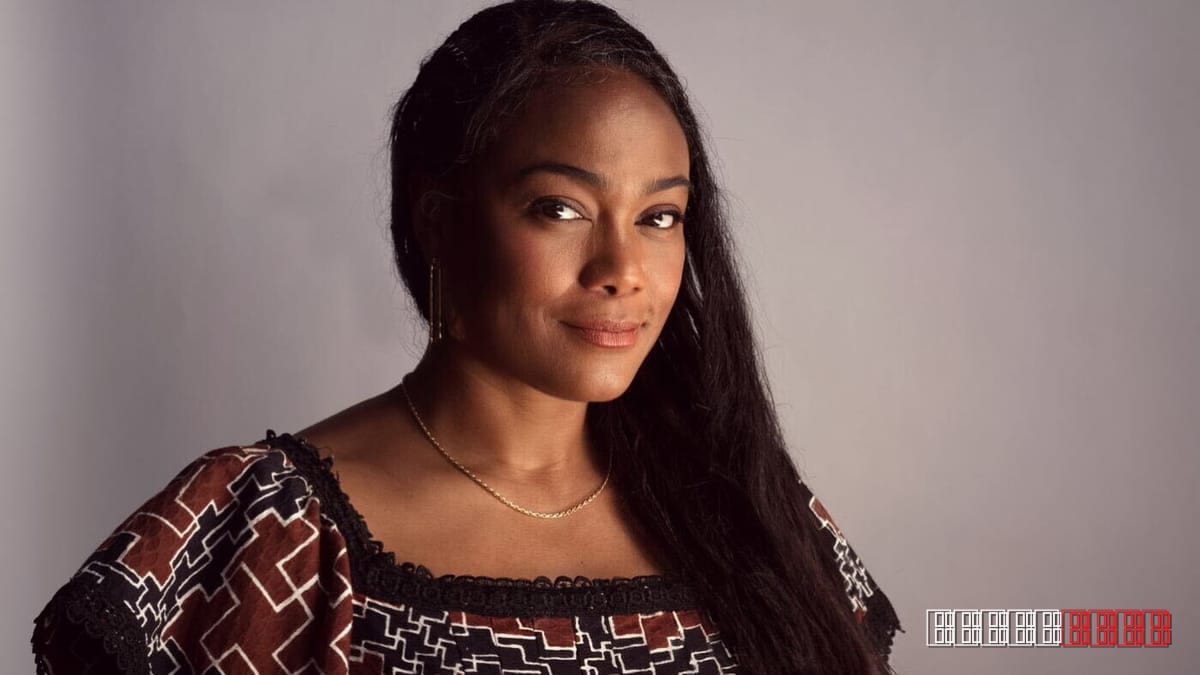
Actor Tatyana Ali, best known for her role on Fresh Prince of Bel‑Air, has stepped into the public health arena after describing a harrowing childbirth experience. In a recent interview, Ali explained that the emotional and physical toll of her delivery sparked a commitment to improve outcomes for Black and Indigenous mothers, a group that faces disproportionate risks in the United States. She has begun working with organizations that train and fund midwives, doulas and other birth professionals, urging families to consider these support roles as part of a safer delivery plan. (NPR)
According to NPR, Ali said the healing process she embarked on after the birth “opened my eyes to how many women of color are navigating a system that often doesn’t see them.” She highlighted that access to culturally competent birth workers can reduce complications, lower stress, and give families a stronger voice during labor. The actress has pledged to use her platform to raise funds, speak at community events, and amplify the stories of mothers who have been let down by conventional obstetric care.
The urgency of Ali’s advocacy is underscored by longstanding health disparities. Black women in the U.S. are three to four times more likely to die from pregnancy‑related causes than white women, while Indigenous mothers experience similarly elevated mortality rates. Factors such as chronic stress from racism, limited access to quality prenatal care, and systemic bias in medical settings contribute to these gaps. National data from the CDC and recent studies have repeatedly called for targeted interventions to close the divide.
Midwives and doulas have emerged as evidence‑based solutions to these inequities. Research shows that continuous labor support can cut the odds of Cesarean delivery, shorten hospital stays, and improve breastfeeding rates. Several states have expanded Medicaid coverage for doula services, and the federal government recently announced a pilot program to integrate community‑based birth workers into obstetric care for high‑risk populations. Ali’s partnership with such initiatives aligns her personal narrative with policy moves aimed at reshaping maternal health infrastructure.
Looking ahead, the actress plans to join a national summit on maternal health later this year, where she will sit alongside clinicians, activists and legislators. By sharing her story and championing the role of birth workers, Ali hopes to inspire both public and private sectors to invest in culturally responsive care that can save lives and restore dignity to the birthing experience.
This report is based on original reporting by NPR. Read the original source →