Trump administration moves forward with $2.8 billion bomb deal for Israel
The United States plans to sell 2,000‑pound bombs to Israel, a proposal that has sparked renewed debate over civilian casualties in the conflict zone.
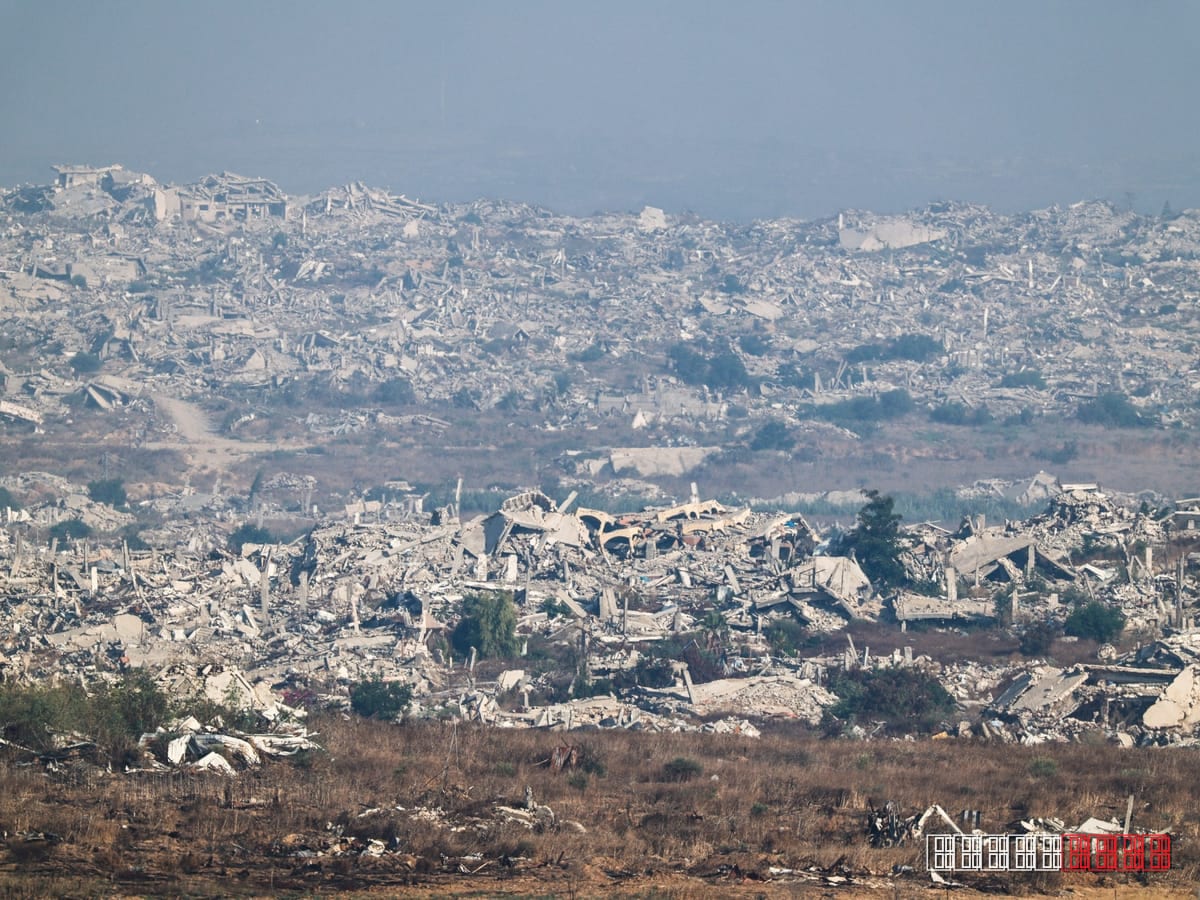
The United States, under the newly reinstated Trump administration, is preparing a $2.8 billion foreign military sale that would provide Israel with a stockpile of 2,000‑pound general‑purpose bombs, Al Jazeera reported. The deal, one of the most sizable arms transactions proposed this year, is slated to be finalized later in 2026 pending congressional approval.
According to Al Jazeera, the proposed package includes thousands of the heavy‑weight munitions, which are typically used for deep‑penetration strikes against fortified targets. While the U.S. government frames the sale as a reinforcement of Israel’s right to self‑defence, critics argue that the weapons could exacerbate civilian harm in densely populated areas of Gaza, where previous bombardments have already drawn international scrutiny.
Human‑rights organisations and several members of Congress have voiced concern that the sale may contravene U.S. policy requirements that arms be used in compliance with humanitarian law. Al Jazeera noted that the criticism is intensifying as reports of mass targeting of civilians continue to emerge from the region. Lawmakers are calling for stricter end‑use monitoring and for the administration to consider alternative, precision‑guided munitions that reduce collateral damage.
The United States has been Israel’s largest arms supplier for decades, with cumulative sales exceeding $140 billion since 1949. Past agreements have included fighter jets, missile defense systems, and precision‑guided bombs. The current proposal marks a shift back toward larger, unguided ordnance, a move some analysts link to the administration’s broader strategy of bolstering conventional firepower in the Middle East.
If approved, the sale could have several implications. Strategically, it would reinforce the U.S. commitment to Israel’s qualitative military edge, a cornerstone of the bilateral relationship. Economically, the deal would benefit American defense contractors, supporting jobs in the aerospace sector. Politically, however, it may deepen divisions within the U.S. over the balance between security assistance and adherence to international humanitarian standards.
The debate surrounding the $2.8 billion bomb sale underscores a recurring tension in U.S. foreign policy: reconciling strategic alliances with the imperative to prevent civilian suffering. As the administration pushes the deal forward, the outcome will likely shape both the dynamics of the Israeli‑Palestinian conflict and the broader discourse on arms exports in conflict zones.
This report is based on original reporting by Al Jazeera. Read the original source →